I International Conference on Immigration Law, Reception and Integration

Welcome
The Basque Country today is a more diverse society than it was several years ago. And it will be even more so in the future.
This fact raises challenges, but above all offers us an opportunity: to carry on building a cohesive society able to welcome, integrate and safeguard human rights and duties, making diversity into a collective strength.
For this reason, on 8th and 9th October we'll be meeting at the Palacio Euskalduna in Bilbao for the 1st International Congress on Immigration Law, Reception and Integration, Basque Country 2026, with a slogan that sums up our intention very well: “Etorkizunera begira / Looking Towards the Future”.
Over two days we will have the chance to listen to and share experiences with specialists, professionals, institutions and associations from the Basque Country and elsewhere. We'll be discussing the European pact on migration and asylum, migration legislation and legal safeguards, employment, migrant women, social support and integration and also the tools we need for the Basque Country to respond to a constantly-changing social phenomenon.
But we want to be above all a congress to listen, compare, learn and move forward together.
Because behind every rule, every administrative procedure and every public policy there are people. People who arrive in the Basque Country with their plans, their abilities, their uncertainties and their expectations for the future.
And also at stake is what kind of Basque Country we want to be.
A Basque Country with rights and duties. A Basque Country that opts for coexistence.
A Basque Country that does not give up on social cohesion and that understands that welcoming and integrating properly also means investing in our shared future.
We invite you to take part, to contribute your experience and your point of view and, in particular, to be part of this discussion.
See you in Bilbao on 8th and 9th October.
Etorkizunera begira. Looking Towards the Future
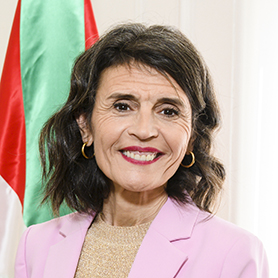
Nerea Melgosa
Minister for Welfare, Youth and Demographic Challenge
Basque Government
Presentation
What is it?
The I International Congress on Immigration Law, Reception and Integration arrives in a context of particular relevance. Application of the new Spanish immigration regulations, implementation of the European Pact on Migration and Asylum and the new scenario opened up by the exceptional regularisation of foreigners in Spain raise major challenges and opportunities.
The decisions taken and the way these new legal frameworks are interpreted and applied will have a direct impact on the processes of reception and integration for immigrants in the coming years.
This is why this Congress aims to contribute to more than just discussion: to generate shared knowledge and turn this into proposals that can reach the competent authorities and bodies.
Why attend?
Because we are at a time of changes and we need to understand what they involve.
The new European and Spanish frameworks will have direct consequences for the reception and integration of immigrants. The Congress offers the chance to find out about these changes from experts, assess their implications and share different viewpoints and experiences.
To turn knowledge into proposals.
The talks and round tables will go together with work spaces and workshops aimed at identifying challenges and coming up with responses. Taking part does not just mean listening: the goal is to generate specific proposals that can be passed on to the competent authorities and bodies.
To find out about other people's experiences and good practices.
The international side of the Congress will make it possible to hear about experiences, initiatives and solutions implemented in different contexts, fostering mutual learning and the forging of new alliances.
Because this is an opportunity to connect with others working in this sphere.
Two days that will bring together institutions, professionals, universities, community organisations and other figures linked to immigration, reception and inclusion.
Because your experience also counts.
Migratory challenges cannot be met from a single point of view. The experience of those working on the ground, researching, supporting, managing or devising policy is essential to construct more effective responses.
Who is it for?
The Congress is especially aimed at:
- Public authorities and those responsible for migration policy.
- Community bodies and organisations supporting immigrants.
- Universities, researchers and the academic community.
- Professionals in the legal field, immigration, reception, and integration.
- Stakeholders in the fields of employment, training and education.
- General public interested in finding out about and taking part in current discussions on migration, reception and integration.
What will you find?
Over two days you can take part in a programme that combines talks, round tables and workshops on issues such as:
Immigration law · European Pact on Migration and Asylum · Reception and integration · Employment and training · Education · Human rights and legal safeguards · Gender and intersectionality · Good practices and new challenges for social integration.
A Congress to move from discussion to action.
The goal is clear: for pooling knowledge and experience to translate into proposals.
This Congress therefore sets out to bring together those with something to contribute and those wanting to hear new proposals, pool experiences and take part in constructing responses to migratory challenges in the coming years.
For two days Bilbao will be an international meeting place to learn, debate, connect and propose.
Program
Presented by: Amaia Uribe.
Thursday 8th October
9.00am: Accreditations.
9.30am: Institutional presentation.
- Nerea Melgosa. Minister of Welfare, Youth and Demographic Challenge. Basque Government.
10.00am: The Basque Country and the European Pact on Migration and Asylum: multilevel governance, territorial cooperation and challenges for implementation.
- Alfred Woeger. Senior Project Manager, Member States Programme, Migration Policy Unit, International Centre for Migration Policy Development (ICMPD). Vienna, Austria.
- Razan Ismail. Adviser of the European Commission for the Development of Migration and Asylum Policies, member of the Advisory Forum of the European Asylum Union Agency (EUAA) and collaborator with UNHCR.
- Presented by: Mikel Antón. Director of European Affairs. Basque Government.
11.30am: Coffee break.
12.15pm: Immigration Legislation: Controversies, Difficulties and Responses.
- Jose Mª Pey. Lawyer, member of the Bizkaia Bar Association and of the CGAE immigration and international protection subcommittee. Red Aholku-Sarea.
- Patricia Fernández. Lawyer of the Madrid Bar Association and for the Asociación Coordinadora de Barrios.
- Presented by: Mª Luisa Alza. Biltzen, the Basque legal aid, integration and intercultural coexistence service. Red Aholku-Sarea.
2.00pm: Lunch.
15.30pm: Performance.
- Olatz Salvador.
4.00pm to 6.00pm: Parallel Activities.
- Presented by: Koldo Campo. Journalist.
- Joseba Madariaga. Professor in the University of Deusto.
- Adriana L. Rojas. Responsible for Crystallography, Macromolecule and Electronic Microscopy Platforms, CIC bioGUNE (Center for Cooperative Research in Biosciences).
- Abdelfhani El Ouatiq and Irene Crespo. Staff of Cristalería y Ventanas EROK (Donostia).
- Iñigo Ugarte. CEO and founder of ieTeam Group.
- Speaker: Estíbaliz Aguirre. Directorate of inclusion. Department of Economy, Labor and Employment.
- Presented by: África Baeta. Journalist.
- Dolores Morondo. Professor at the Human Rights Institute. University of Deusto.
- Lorena Rocha. Activist and member of Colectiva Warmipura.
- Irene Ormazabal. Head of the Equality Section at the Donostia City Council.
- Facilitated by: Prometea.
Friday 9th October
9.00am: Migratory Processes from a Global Viewpoint.
- Catherine Wihtol de Wenden. Emeritus Research Director at CNRS, the French National Centre for Scientific Research. Paris, France.
- Presented by: Mikel Reparaz. Journalist.
10.30am: Coffee break.
11.15am: Parallel Activities.
- César Tolosa Tribiño. Senior judge at the constitutional court.
- Patricia Bárcena. Second assistant ombudsman.
- Susana Cuesta. Responsible for Cooperation and Migrations at Caritas Bizkaia. Red Aholku-Sarea.
- Presented by: Virginia Cid. Biltzen, the Basque legal aid, integration and intercultural coexistence service.
- Gloria Rendón. Consultant specialising in migration governance and reception systems. Global Migrat.
- Amaia de Agintzari. Trapezistak programme. Agintzari - Social Initiative Cooperative.
- Gonzalo Sáez. Lawyer and secretary of Arraianas.
- Elvio Pasca. Expert on migration and asylum, at Sviluppo Lavoro Italia Ministry of Labour and Social Policies.
- Presented by: Oksana Demyanovych. President of the Asociación Ucrania-Euskadi. Basque forum on migration and asylum.
- Juanjo Álvarez. Professor of Private International Law (EHU).
- Eugenio Artetxe. Adviser to the Department of Governance, Online Administration and Self-Government.
- Loreto Osa. Basque Government.
- Presented by: Gorka Moreno. Lecturer in the Department Sociology and Social Work (EHU).
1.00pm: Summary of conclusions and proposals.
- Xabier Aierdi. Begirune Fundation.
2.00pm: Institutional close.
Speakers and moderators

Amaia Uribe
Journalist on Euskal Telebista news programmes.
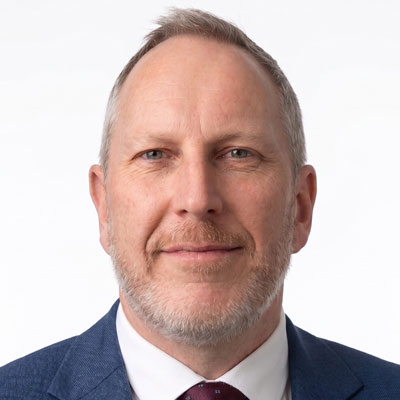
Alfred Woeger
Senior Project Manager, Member States Programme, Migration Policy Unit, International Centre for Migration Policy Development (ICMPD).
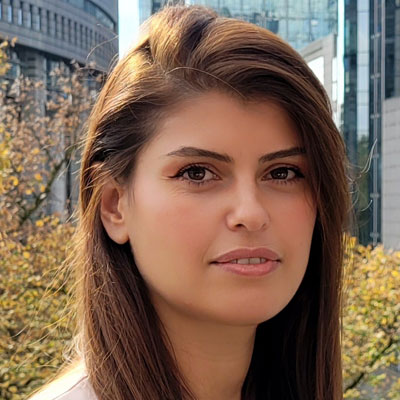
Razan Ismail
Adviser to the European Commission on migration and asylum policy development, member of the European Union Asylum Agency (EUAA) Consultative Forum and works with ACNUR.
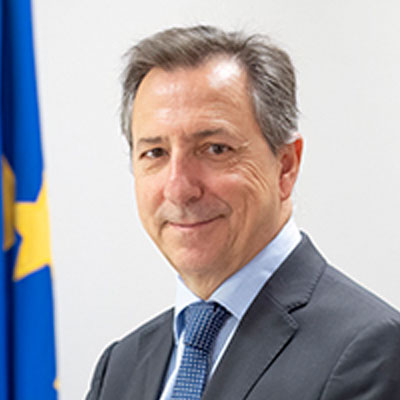
Mikel Antón
Director of European affairs in the Basque government.
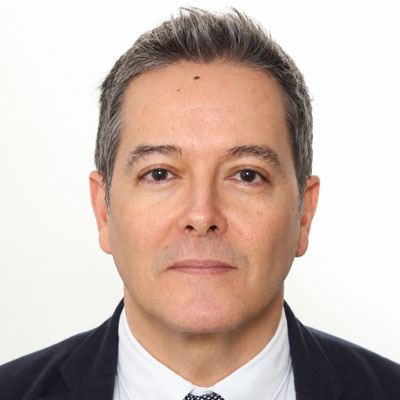
José M.ª Pey
Lawyer, member of the Bizkaia Bar Association and of the CGAE immigration and international protection subcommittee.

Patricia Fernández
Practising lawyer. Specialist in Childhood and Migrations.
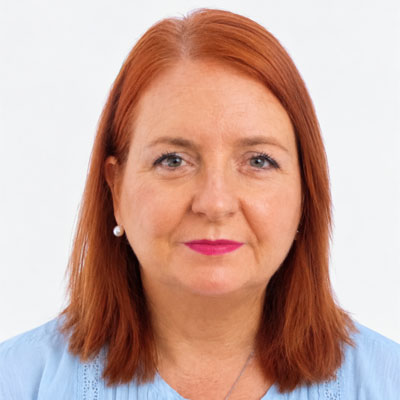
M.ª Luisa Alza
Lawyer on the legal staff at Biltzen, the Basque legal aid, integration and intercultural coexistence service.
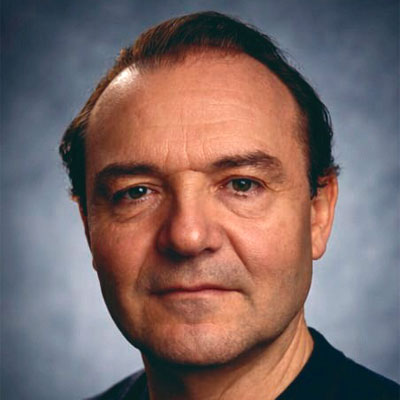
Koldo Campo
Journalist with over 40 years' experience at Radio Popular de Bilbao.
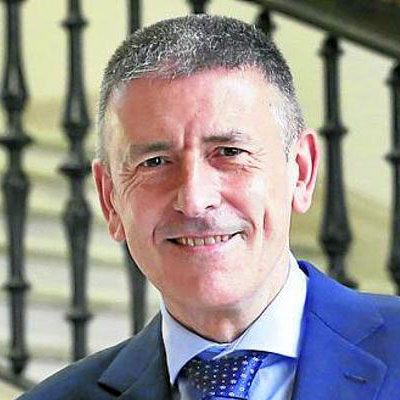
Joseba Madariaga
Lecturer at the University of Deusto and director of studies at Laboral Kutxa.
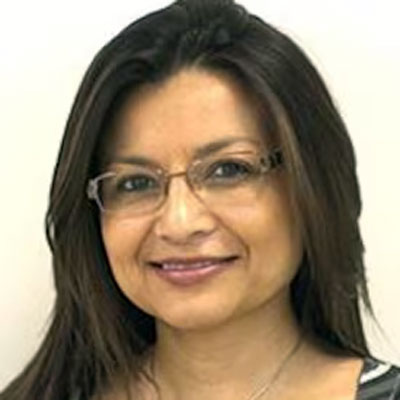
Adriana L. Rojas
Responsible for the Macromolecular Crystallography and Electronic Microscopy Platforms, CIC bioGUNE.

Abdelfhani El Ouatiq

Irene Crespo
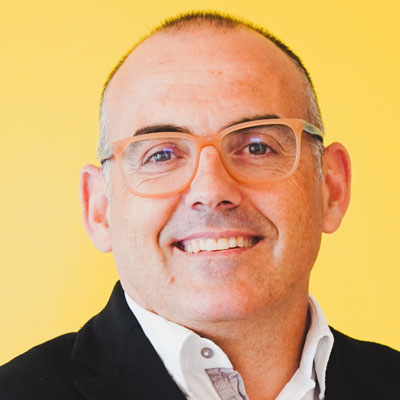
Iñigo Ugarte
CEO of ieTeam Group.
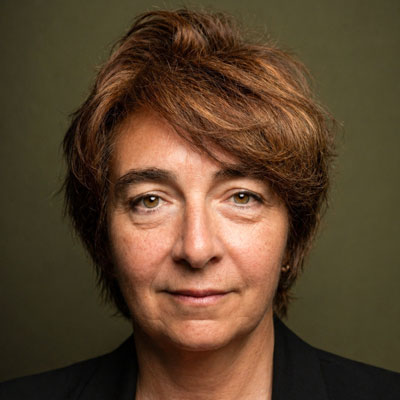
Estíbaliz Aguirre
Expert in the Basque government directorate for inclusion.
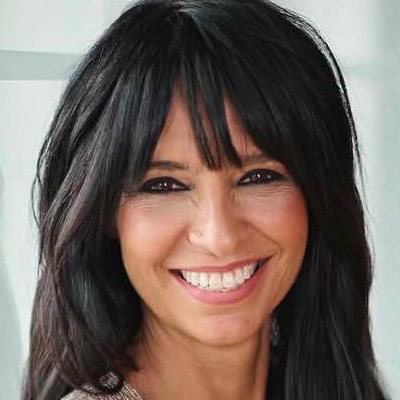
África Baeta
Journalist and presenter.
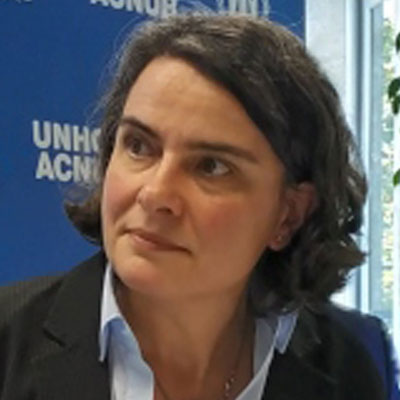
Dolores Morondo
Lecturer at the University of Deusto.
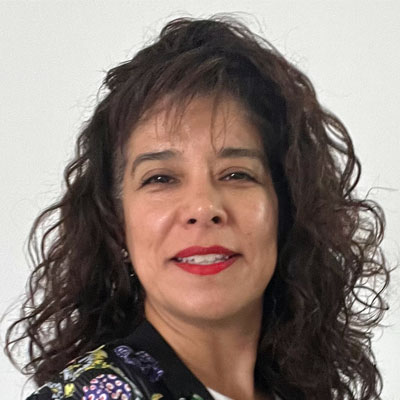
Lorena Rocha
Activist and member of Colectiva Warmipura.
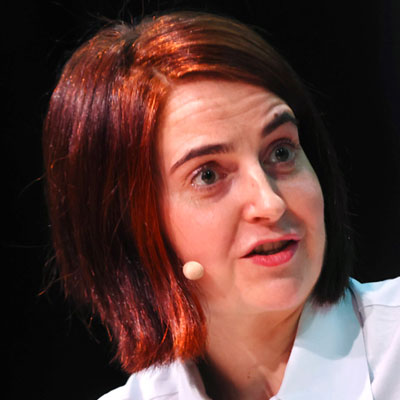
Irene Ormazabal
Head of the equality section at Donostia/San Sebastián city council.
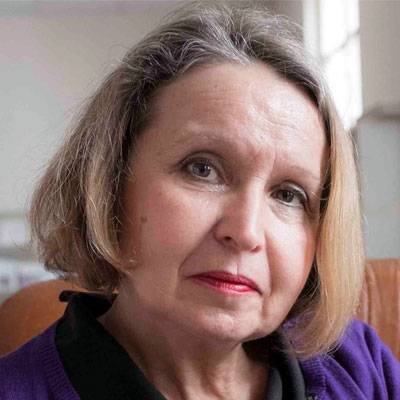
Catherine Wihtol de Wenden
Emeritus Research Director at CNRS, the French National Centre for Scientific Research (CERI, FNSP, Paris).

Mikel Reparaz
Journalist specialising in international news.
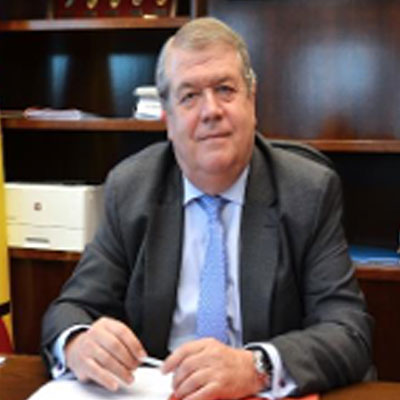
César Tolosa
Senior Judge. Constitutional Court.
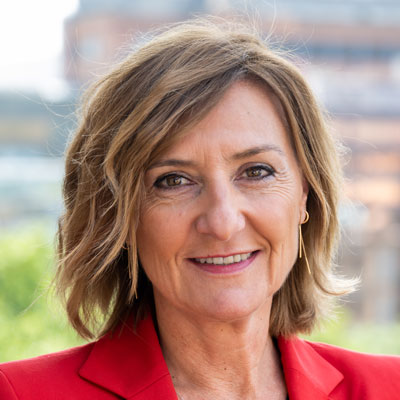
Patricia Bárcena
Second assistant ombudsman.
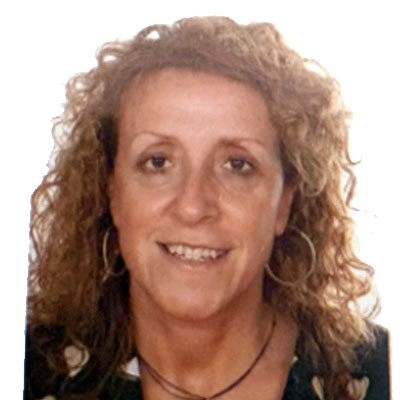
Susana Cuesta
Responsible for Cooperation and Migrations at Caritas Bizkaia.

Virginia Cid
Lawyer on the legal staff at Biltzen, the Basque legal aid, integration and intercultural coexistence service.
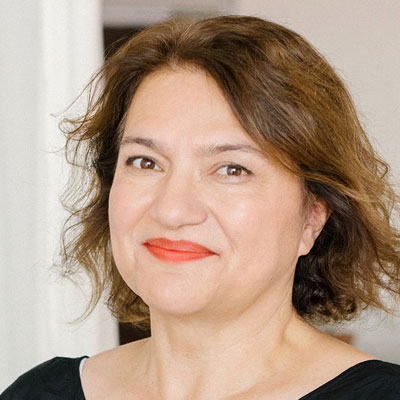
Gloria Rendón
Consultant specialising in migration governance and reception systems (Global Migrat) and lecturer on the inter-university master's degree in Contemporary Migrations (UAB-UB).
Amaia Gómez
Technical Secretary of the Trapezistak programme.
Gonzalo Sáez
Lawyer and secretary of Arraianas.
Elvio Pasca
Sviluppo Lavoro Italia – Ministry of Labour and Social Policies.

Oksana Demyanovych
Community agent · Diversity · Interculturality · Public participation.
Juanjo Álvarez
Professor of Private International Law. UPV/EHU.
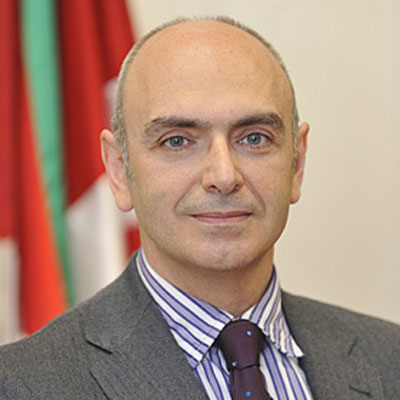
Eugenio Artetxe
Adviser in the field of self-government. Governance, Digital Administration and Self-government Department. Basque Government.
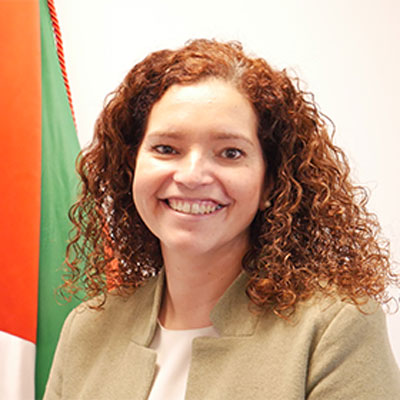
Loreto Osa
Gorka Moreno
Lecturer in the department of Sociology and Social Work (EHU).
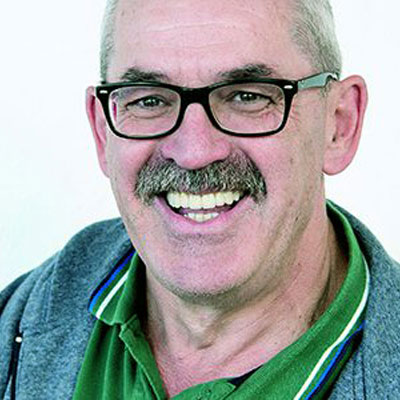
Xabier Aierdi
Committee
Organising committee
- Nerea Melgosa. Minister of welfare, youth and demographic challenge.
- Xabier Legarreta. Deputy Minister of youth and demographic challenge.
- Lexuri Ugarte. Director of press office and communication.
- Alfredo Elgezabal. Directorate of press office and communication.
- Ignacio Fariña. Director of reception and integration of immigrants.
- Patxi de la Fuente. Department of welfare, youth and demographic challenge.
- Aitor Eguinoa. Directorate of reception and integration of immigrants.
- Unai Aspuru. Directorate of reception and integration of immigrants.
- Irene Zulueta. Directorate of reception and integration of immigrants.
- M.ª Luisa Alza. Biltzen - Basque legal aid, integration and intercultural coexistence service. Red Aholku-Sarea.
- Virginia Cid. Biltzen - Basque legal aid, integration and intercultural coexistence service. Red Aholku-Sarea.
- Carmen Gheorghe. Biltzen - Basque legal aid, integration and intercultural coexistence service.
- Javier Pérez. Biltzen - Basque legal aid, integration and intercultural coexistence service.
Advisory technical committee
We would sincerely like to thank the following for their help in drawing up and producing the programme:
- Julia Shershneva. Ikuspegi chair in migrations and coexistence (EHU).
- Maite Fouassier. Ikuspegi chair in migrations and coexistence (EHU).
- Gorka Moreno. Sociology and social work department (EHU).
- Susana Cuesta. Cáritas Bizkaia. Red Aholku-Sarea.
- Javier Canivell. Zehar Errefuxiatuekin. Red Aholku-Sarea.
- Mikel Mazkiaran. SOS Racismo Gipuzkoa. Red Aholku-Sarea.
- Jeanne Rolande Dacougna. Biltzen - Basque legal aid, integration and intercultural coexistence service.
- Estíbaliz Aguirre. Directorate of inclusion. Department of Economy, Labor and Employment.
- Carlos Pereda. Confebask. Employment commission of the Basque forum on migration and asylum.
- Alfredo Santamaría. Sartu Araba directorate. Employment commission of the Basque forum on migration and asylum.
- Xuria Arza. UGT Euskadi. Employment commission of the Basque forum on migration and asylum.
- Ibane Nuñez. Peñascal Koop. Employment commission of the Basque forum on migration and asylum.
- Isabel Mendiguren. Directorate for individual learning. Education commission of the Basque forum on migration and asylum.
- Isabel Vaquero. ADSIS Gipuzkoa directorate. Education commission of the Basque forum on migration and asylum.
- Mioara Denisov. Decebal. Education commission of the Basque forum on migration and asylum.
- Members of the equality commission of the Basque forum on migration and asylum.
If you wish to take part in the I International Congress on Immigration Law, Reception and Integration, Basque Country 2026, to take place on 8th and 9th October at the Palacio Euskalduna Jauregia in Bilbao, organised by the welfare, youth and demographic challenge department, it is essential that you register using the form provided for this purpose.
Bear in mind that on both days workshops and round tables will be organised in parallel (so that you can only select one option for each time slot). As capacity is limited, final attendance at your chosen sessions will be confirmed later.
After completing and sending your registration, you will receive a confirmation email in your in tray.
Certificates of attendance requested through the enrolment form will be sent afterwards by email. In the event that you need documentary proof in advance of the congress, you can write to the following email address: secretaria.tecnica@eventokia.com
General information
Venue:
The Basque Government Welfare, Youth and Demographic Challenge Department is organising this landmark international forum, which will bring together experts, legal specialists and professionals in the field of migration and social cohesion, in Bilbao.
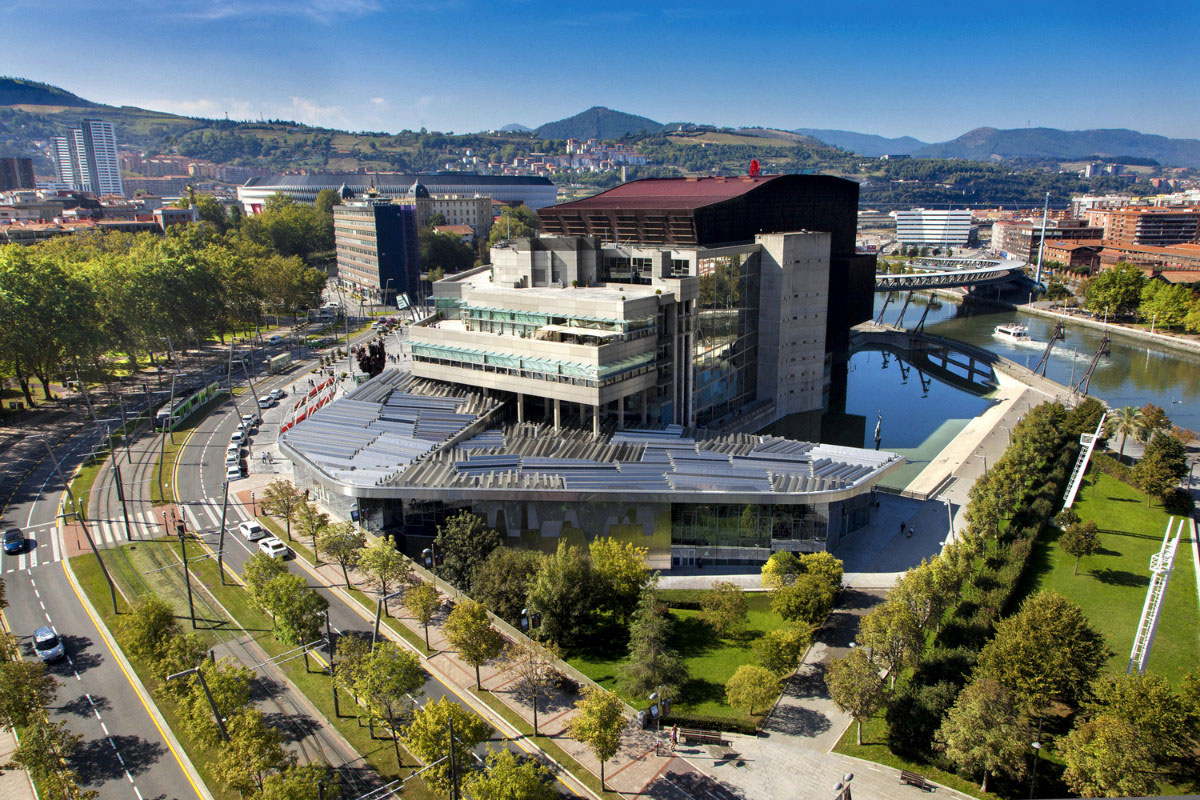
The Palacio Euskalduna, a landmark convention and music venue in Bilbao, the winner of international accolades, standing beside the estuary, has become one of the keys to the city's urban transformation.
Abandoibarra Etorbidea, 4, 48011 Bilbo, Bizkaia.
How to get here:
We encourage you to take a pleasant stroll from the centre of Bilbao to the Palacio Euskalduna along the estuary - you'll be opting for sustainable urban mobility.
Transport recommendation: We recommend using public transport for travelling to the venue, so helping to reduce emissions and benefiting from quick, easy access.
The city has an extensive network of cycle lanes and a municipal bike hire service (Bilbobizi), as well as cycle racks close to the venue.
The Euskalduna stop on the Euskotren line is just opposite the building, offering a fast link to the main stations and facilities in the city.
Several Bilbobus lines stop close to the Palacio, offering connections from anywhere in Bilbao.
If you opt for a private vehicle, the area has convenient underground car parks, including Euskalduna's own car park  or the one in Plaza Euskadi , though we highly recommend prioritising public transport or cycling as options.
You can consult local regulations and the location of car parks on the Bilbao municipal website.
Accessibility:
The Palacio Euskalduna has facilities adapted for people with reduced mobility, including ground-level access, lifts and internal routes to ensure convenient, accessible movement for all attendees.
Tools to finance inclusion - Room 5A
The meeting prior to the 1st International Congress on Immigration Law, Reception and Integration will consider three pathways for funding and partnership to overcome barriers in education, integration and job mobility:
- Income-linked educational funding to assist access to training.
- Multilateral philanthropic capital, based on an experiment in Mexico to assist regulation and access to formal employment.
- Funding job mobility corridors with Africa, integrating employers, training, selection, support and safeguards.
This will be an exploratory event, with no closed products or financial commitments. The aim is to find out how each tool works, what actors and resources they need and in what contexts they could be useful.
This session will be by invitation. The conclusions will then be published on the website.
One-day conference on funding, mobility and integration
Euskalduna Palace - Room 5A
7th October 2026
Palacio Euskalduna, Bilbao.
9.00am: Accreditations and reception of participants.
9.30am: Institutional opening.
- Xabier Legarreta Gabilondo. Basque government deputy minister for youth and demographic challenge. Euskadi.eus
9.40-10.40am: Round Table 1.
- Lino Pujol-Soliano. Co-founder and operations manager of Quotanda.
- Ferdinand M. Wollenberg. Guarantee solutions - alternative lenders, skills & education analyst, European Investment Fund (EIF).
- Belén Vallina González. President of Yaran Foundation.
- Moderator: Paul Ríos. Social responsibility and impact specialist.
10.40-10.55am: Coffee break.
10.55-11.40am: Round Table 2.
- Representative of CAF - Development Bank of Latin America and the Caribbean. To be confirmed.
- Karina Blanco Ochoa. Director of Labor Pathways, Emerson Collective.
- Moderator: Iker Arteagabeitia. Specialist in strategy and funding for initiatives with social impact.
11.40-12.25am: Round Table 3.
- Lisa Marie. Programme director at Malengo, Germany.
- Béatrice Bellet. Director of mobility programmes at Mundus Group, France.
- Daniele Albanese. Director and founder of PeopleGateway, Italy.
- Moderator: Javier Cortés Fernández. Director of eLankidetza – Basque Agency for Cooperation and Solidarity. Elankidetza
12.25-12.40am: Conclusions and close.