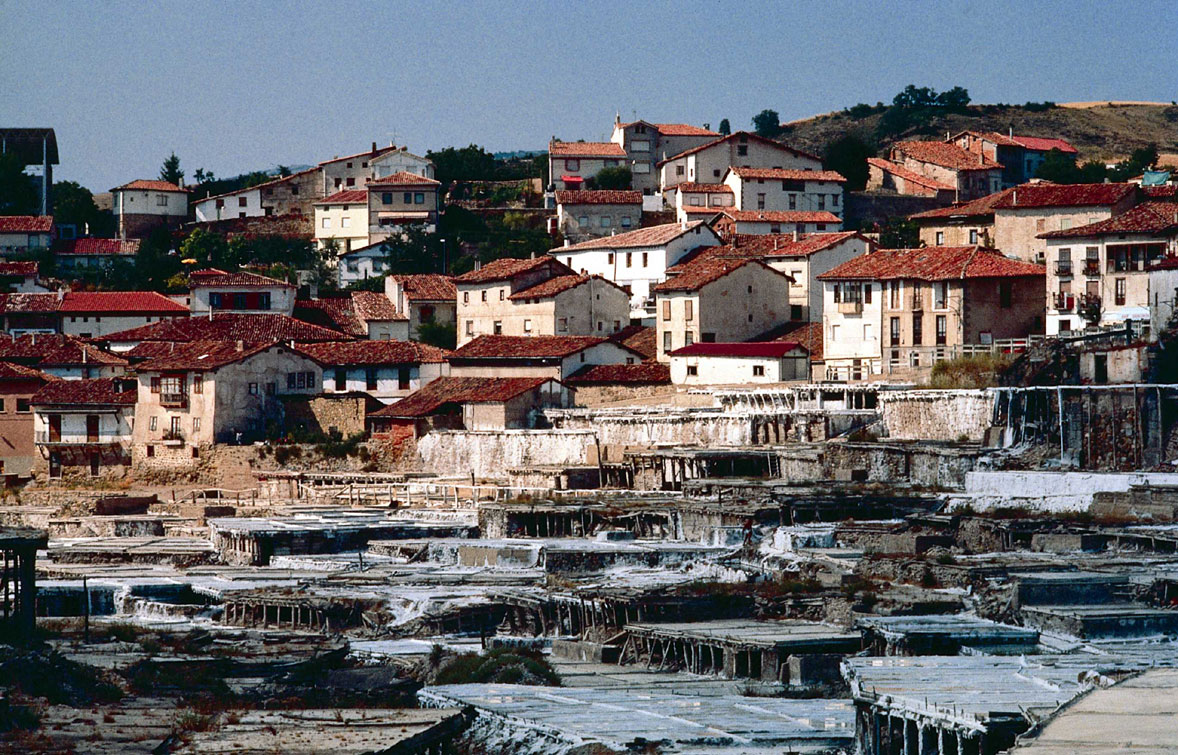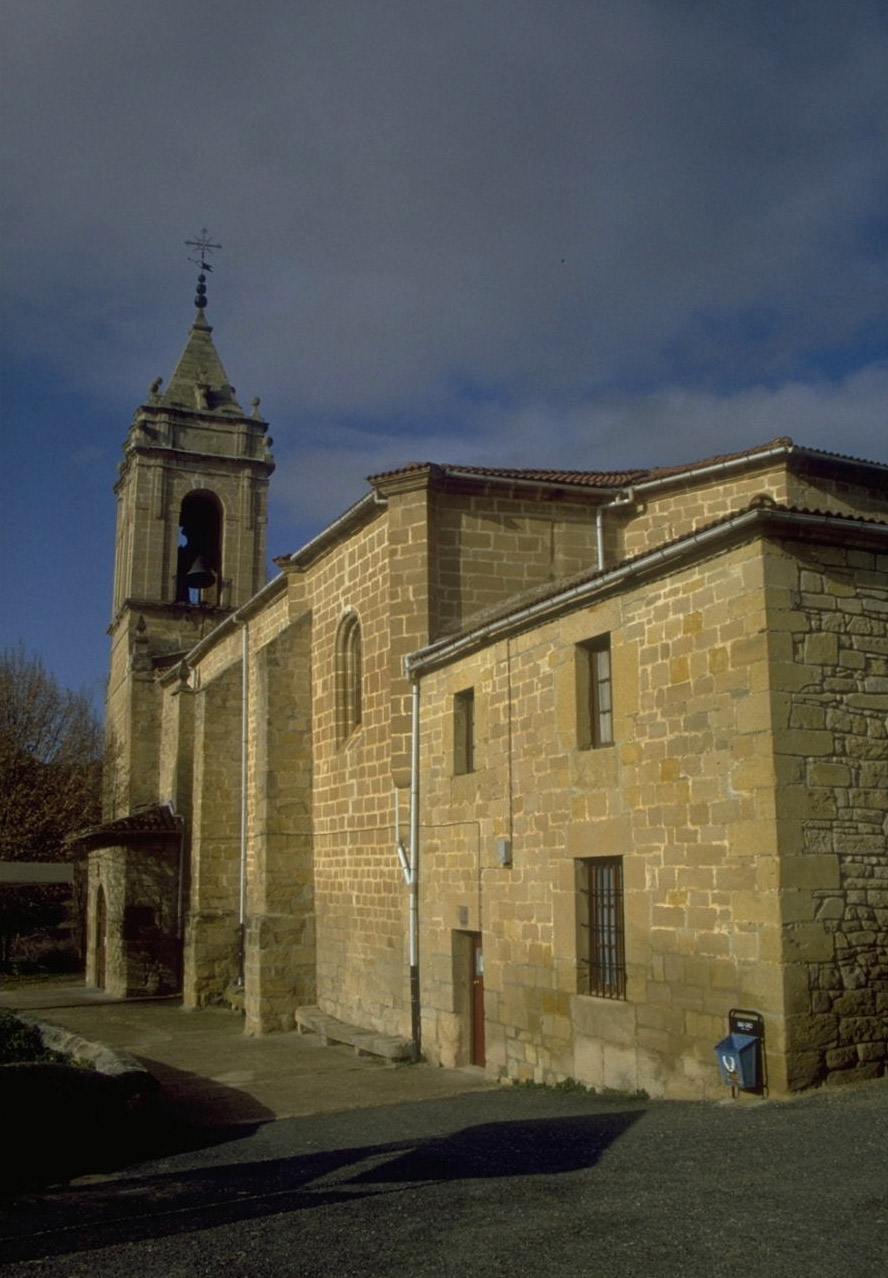
This is a mediaeval town whose original fortified centre has undergone important alterations that have modified its original structure and organisation. The old centre, perched on a small hill overlooking the valley, would have contained what are today the streets called Cerca Alta, Cerca Baja, Calle del Arco and Calle de la Nevera. At the western end lay the temple of San Cristóbal, which is no longer standing, and which reinforced the walled defence. The buildings are concentrated in the southern half. These dwellings reflect a rural way of life, repeating one of the simple and practical models originating from the Middle Ages.
Next to the old fortified centre lies the Plaza del Mercado, the main public meeting place during the Middle Ages. The baroque era has left its heavy imprint on numerous areas of the town: Plaza de Miguel Díaz de Tuesta, Calle de la Carrera and Plaza de los Ozpinas. The buildings that form these areas show more noble construction materials and make up a more pompous set of buildings than the other urban structures. The remaining buildings in this locality are terraced, with stonework and masonry predominant in their construction.
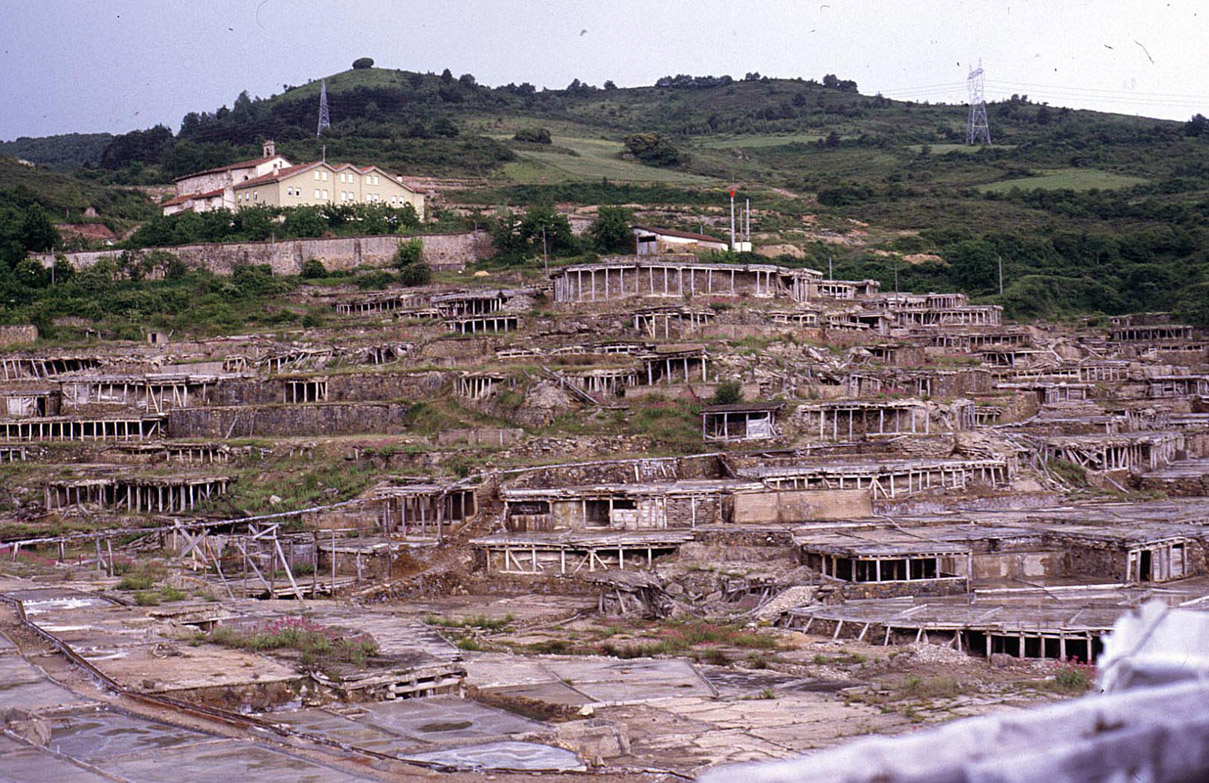
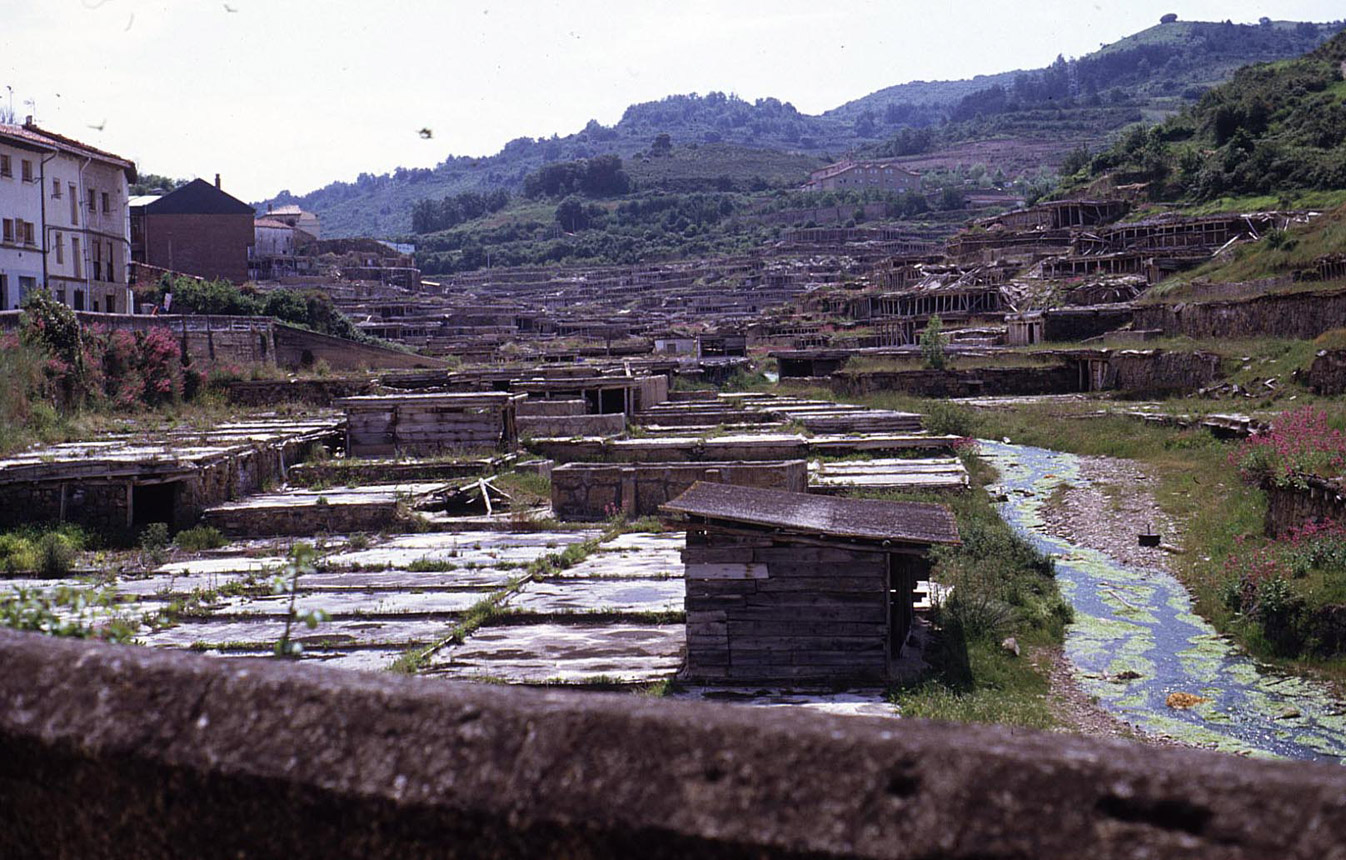
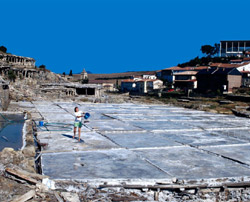
The salt works (salinas) that give their name to this village formed its economic and social raison d'être. Some writers assert that they already existed in the 10th century. It is true to say that the first known local charter in Araba was that of Salinas. It was granted in 1140 by King Alfonso VII, confirming the old charters granted by Alfonso I when Salinas de Añana was settled. The Castilian monarchs gradually awarded privileges and favours to the town's inhabitants in an attempt to avoid it becoming depopulated, as the intense salt and trading activities of the town ensured important income for the crown.