

Speakers
-
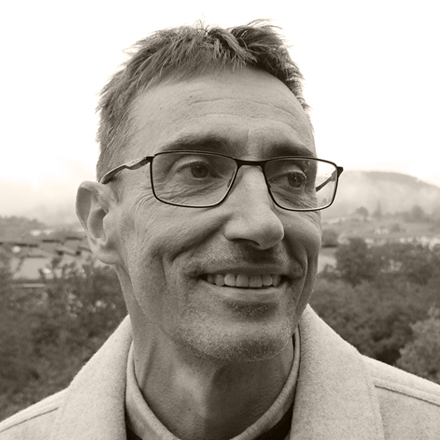
Juanjo Allur Dorronsoro
Researcher and Project Coordinator. Siadeco Ikerketa Elkartea
NOVEMBER 5 Afternoon 15:00 – 15:45 / ROUNDTABLE
From Experience to the Future: 20 Years of the Basque Observatory on Culture
He holds a degree in Economics and Business Administration from the University of Deusto. His professional career as a researcher and research project coordinator has been closely linked to Siadeco, a cooperative founded in 1967 and specialising in applied social research. His work focuses on collecting and analysing information to better understand social realities and support decision-making processes.
Siadeco operates in the fields of socioeconomics, sociolinguistics and social welfare, and has carried out fieldwork for various statistical operations conducted by the Basque Observatory of Culture. These include statistics on public expenditure and funding in culture, statistics on the arts and cultural and creative industries, as well as the survey on citizens' cultural participation.
Drawing on this experience, he will highlight the importance of scientific rigour and professionalism in data collection and fieldwork. He will also emphasise the need to foster strong relationships with the stakeholders who provide data and collaborate in research projects, ensuring that the information and knowledge generated are useful and relevant to their work.
-
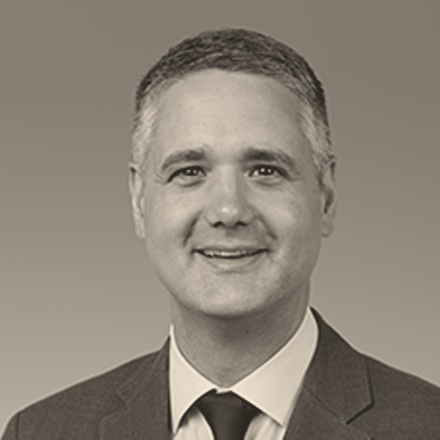
Ignacio Apezteguia
Director General of Culture - Príncipe de Viana Institution, Government of Navarre
NOVEMBER 6 MORNING 09:00 – 10:00 / ROUNDTABLE
Cultural Laws and Rights
He holds a degree in Humanities from the University of Navarra (2001) and completed the Advanced Programme in Advertising and Corporate Communication at ESIC (2005). He has also undertaken additional training in strategic planning and leadership skills, the management of cultural companies and organisations, and the evaluation of cultural projects.
His professional career has been closely linked to SEDENA, a Navarre-based cultural services company operating across Spain (Navarre, Zaragoza, Logroño, the Basque Country, Madrid, Burgos, Seville, Palma de Mallorca, among others). His professional experience has focused on the management, coordination and direction of cultural projects, as well as the management of sociocultural venues. He has held various positions of responsibility within the organisation, including Coordinator of the Civic Centres Network of Pamplona City Council (Civivox Network) from 2010 to 2016. In May 2015, he was appointed Director of SEDENA's Culture Department, a position he held until 2019.
He has also gained professional experience abroad on two occasions: at the Spanish Cultural Centre in Guatemala, within the framework of the Spanish Agency for International Development Cooperation (AECID), from 2003 to 2004; and at the DaimlerChrysler Group in Maastricht, the Netherlands, from 2005 to 2006.
In February 2019, he taught a module on Cultural Management at the School of Fine Arts of Universidad Panamericana in Mexico.
He is a member of the Association of Cultural Management Professionals of Navarre.
In August 2019, he was appointed Director-General for Culture – Príncipe de Viana Institution within the Department of Culture and Sport of the Government of Navarre. He was reappointed to the same position in August 2023.
-
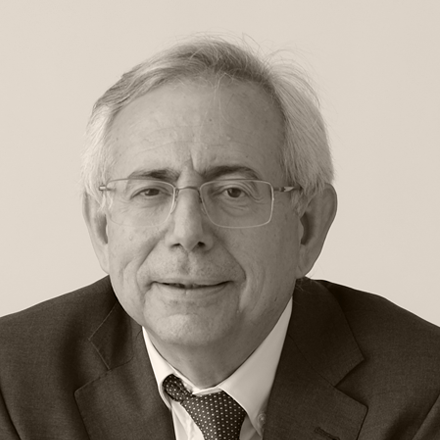
Antonio Ariño
Professor Emeritus of Sociology at the University of Valencia and recipient of the 2026 National Prize for Sociology and Political Science (CIS).
NOVEMBER 5 MORNING 10:00 – 10:30 / KEYNOTE
Caught Off Guard. An Unexpected Twist in the Global Agenda
Antonio Ariño Villarroya (Allepuz, 1953) is Professor Emeritus of Sociology at the University of Valencia and recipient of the 2026 National Prize for Sociology and Political Science.
He has held various academic leadership positions, including Director and Vice-Rector, over a period of 23 years. His research has primarily focused on the sociology of culture, extending into areas such as higher education (Eurostudent and Via Universitària), social welfare, and inequalities.
Among his more than 200 publications, notable works include La ciudad ritual (1992, Anthropos; National Research Award), Sociología de la Cultura. La constitución simbólica de la sociedad (1997, Ariel), Prácticas culturales en España (2010, Ariel), La secesión de los ricos (2017, Galaxia Gutenberg, co-authored with Joan Romero), and Cultura abierta, cultura crítica (2018, Tirant lo Blanch).
He is currently conducting research on the sociology of disasters associated with climate change, including his recent work “Amenazas extremas y catástrofes sociopolíticas” (2026, Sociétés. Revue des sciences humaines et sociales, Paris).
-
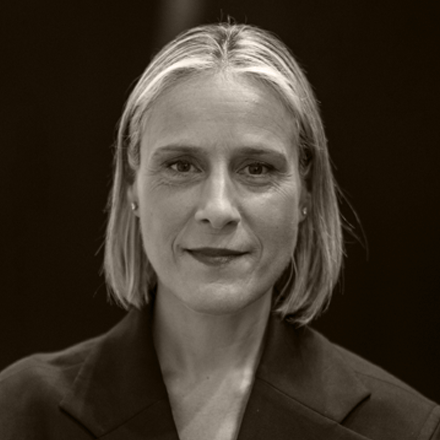
Miren Arzalluz
Director General of the Guggenheim Museum Bilbao
NOVEMBER 5 Morning 10:30 – 11:00 / KEYNOTE
The Guggenheim Museum Bilbao as an Institutional Paradigm: Measuring Impact and Public Value
Miren Arzalluz Loroño (Bilbao, 1978) has served as Director General of the Guggenheim Museum Bilbao since April 2025. She holds a PhD in History from the University of Deusto, an MA in History of Art from the Courtauld Institute of Art, and an MSc in Comparative Politics from the London School of Economics.
Before taking up her current position, she served for seven years as Director of the Palais Galliera–Musée de la Mode de la Ville de Paris, where she led an ambitious renovation and expansion project that marked a new chapter in the institution’s history.
Her distinctions include being named Chevalière de l'Ordre des Arts et des Lettres by the French Ministry of Culture in 2024 and receiving the Gold Medal of Merit in the Fine Arts from Spain’s Ministry of Culture in 2025.
-
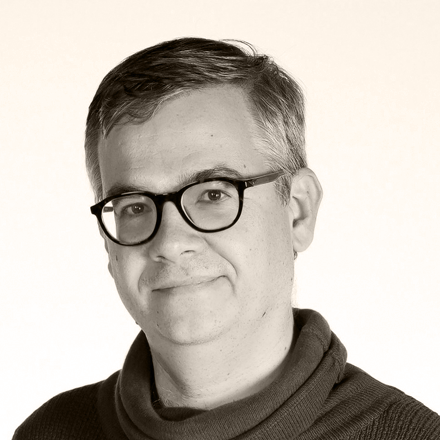
Jordi Baltà
Principal Editor of the fourth edition of the Re|Shaping Policies for Creativity report
NOVEMBER 6 Morning 12:40 – 13:10 / KEYNOTE
Renewing and Updating Cultural Observation Systems in the Face of Current Challenges: Reviewing the Monitoring Framework of the UNESCO Convention on the Diversity of Cultural Expressions
Jordi Baltà Portolés works as a researcher, consultant and trainer in the fields of cultural policy, sustainability and international relations. His work focuses particularly on cultural diversity, local cultural policies, cultural rights, and the intersection between culture and sustainability.
He is an advisor to the Committee on Culture of United Cities and Local Governments (UCLG). Since 2011, he has been a member of UNESCO’s Expert Facility for the implementation of the Convention on the Diversity of Cultural Expressions. In this capacity, he was the lead editor of the 2022 and 2026 editions of the report Re|Shaping Policies for Creativity.
For the 2025–2029 period, he is a member of the Executive Committee of the Barcelona Culture Council, a body that facilitates civil society participation in the city’s cultural policies. He regularly collaborates with other organisations, including Trànsit Projectes and the international cultural mobility network On the Move.
Between 2001 and 2014, he worked as a researcher and project coordinator at the Interarts Foundation. He is an adjunct lecturer on the Master’s Degree in Cultural Management at the Universitat Oberta de Catalunya and the University of Girona, and regularly contributes to other university courses. He holds a PhD in cultural policy from the Universities of Girona and Melbourne.
-
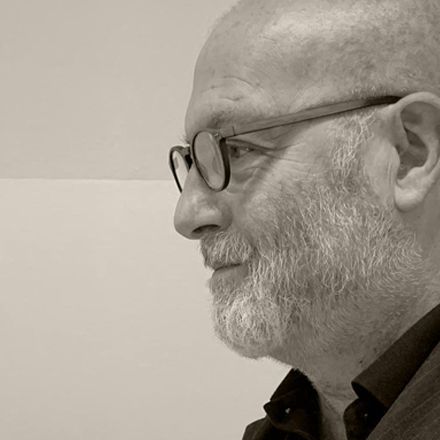
Luca Dal Pozzolo
Co-funder and responsible for Research of Fitzcarraldo Foundation
NOVEMBER 5 Morning 11:30 – 12:00 / KEYNOTE
From Observation to Governance: The Strategic Role of Cultural Observatories in Europe and Beyond
NOVEMBER 5 Morning 12:00 – 12:45 / ROUNDTABLEObserving Culture in Practice: Diverse Models, Shared Challenges
Luca Dal Pozzolo, 1956, Architect, co-funder and responsible for Research of Fitzcarraldo Foundation: from 1998 until 2025 Director of Piedmont Cultural Observatory. He has been teaching at Politecnico Torino and in the University of Bologna. From 2019 member of the Scientific Committee of CCW, Cultural Welfare Centre and Member of the Cultural Commission of the European Institute of Design (IED). From 2023 is President of Fitzcarraldo Engineering and designed many museum’s exhibitions and cultural institutions, publishing many articles and books on cultural economics, museums and Heritage, among them Esercizi di sguardo, 2019, and Il patrimonio culturale tra memoria, lockdown e futuro, 2021. Director of the book series Geografie Culturali, for the Italian publisher Editrice Bibliografica.
-
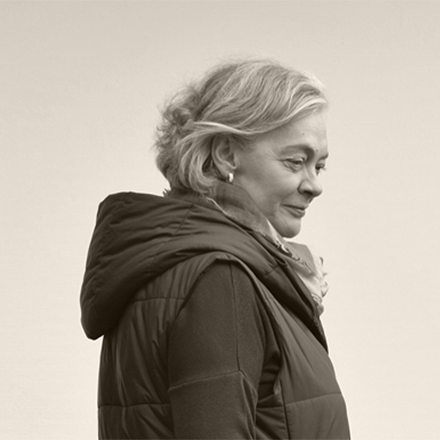
Cristina de la Cruz
Associate Professor of Philosophy at the University of Deusto
NOVEMBER 5 Afternoon 16:15 – 16:55 / CONVERSATION
Between Data and Values: The Ethics of Artificial Intelligence in Cultural Observatories
Cristina de la Cruz, Associate Professor of Philosophy, conducts her research at the University of Deusto, where she explores the intersection between political philosophy and human rights. Throughout her career, she has also undertaken extensive work in the fields of philosophy and poetry, combining conceptual reflection with literary creation. Her academic work examines the boundaries of justice, bioethics and mechanisms of exclusion, with particular attention to economic justice. Her research reflects a strong interest in exploring the complexity of concepts such as responsibility, deliberation, compassion and inequality. Following a distinguished career devoted to research and critical thought, she has established herself as a leading expert in the ethical and humanistic interpretation of the structural challenges that shape our society.
-
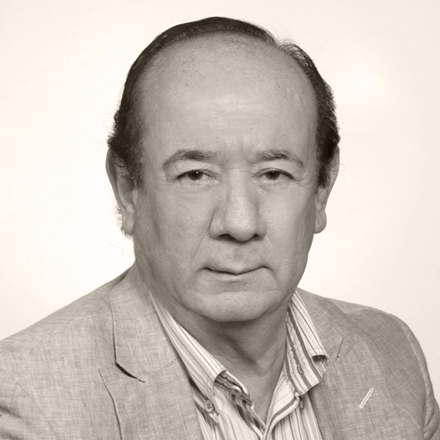
Francisco Javier Dorantes Díaz
Professor at Universidad Autónoma Metropolitana, Mexico
NOVEMBER 6 Morning 13:10 – 13:55 / CONVERSATION
Making Cultural Rights Effective: From Recognition to Practice
He earned his law degree from the Universidad Autónoma Metropolitana (UAM). He pursued postgraduate studies at the specialization and master’s levels in Constitutional and Administrative Law and holds a PhD in Law from the Universidad Nacional Autónoma de México (UNAM), where he graduated with honors. He serves as legal counsel to several civil associations related to culture. In the public sector, he has worked at the Instituto Nacional de Bellas Artes y Literatura, the Secretaría de Cultura, and the Instituto Nacional de Antropología e Historia. He is currently a partner at the law firm Vicencio Tovar y Asociados. Francisco Javier is currently full-time professor at the Universidad Autónoma Metropolitana. He has delivered lectures at international institutions, including the United Nations and UNESCO.
He is the author of Derecho Cultural Mexicano(“Mexican Cultural Law”) and of several legal articles on the same subject published in specialized journals. He has been awarded the University Merit Medal by the Universidad Autónoma Metropolitana and the ¡¡Diario de México Award. He is a full member of the Academia Mexicana de Ciencias, Tecnología y Artes and previously served as Coordinator of Legislative Projects at the Academia Mexicana para la Educación, el Derecho y la Cultura. He is also a member of the Asociación Mexicana de Estudios Clásicos and an associate of the Instituto Nacional de Administración Pública.
-
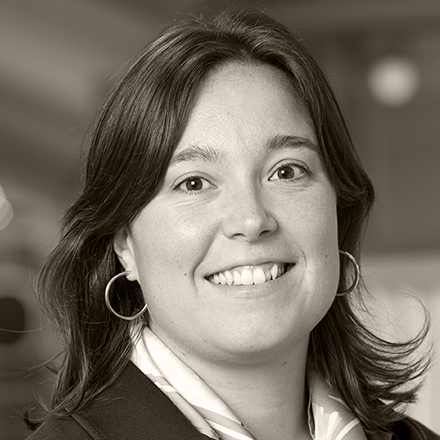
Ibone Eguia
Predoctoral researcher at Orkestra – Basque Institute of Competitiveness
NOVEMBER 6 Morning 12:20 – 12:40 / CASE STUDY
Broadening the Perspective on Cultural and Creative Industries: Their Relationship with Well-being in the Basque Country
Ibone Eguia is a predoctoral researcher at Orkestra – Basque Institute of Competitiveness (University of Deusto), where her research focuses on the economic dimension of the Cultural and Creative Industries (CCIs), analysing their role in competitiveness, innovation and territorial development.
Her doctoral thesis examines how CCIs address digital transformation and structural change processes, focusing on innovation dynamics and, in particular, on the role played by innovation intermediaries in these processes.
She has completed a research stay at the University of Turin and has presented her work at international academic forums such as the Microeconomics of Competitiveness Workshop (Harvard Business School), the AIMAC conference and the ACEI Summer School.
She holds a degree in Economics (EHU), a postgraduate qualification in Business Internationalisation (EHU) and a Master’s degree in Cultural Management (UOC). Before beginning her research career, she worked as a market analyst at the Economic and Commercial Office of the Embassy of Spain in Portugal, as well as a cultural manager at Universal Music Portugal and at the Cultural Office of the Embassy of Spain in Portugal.
-
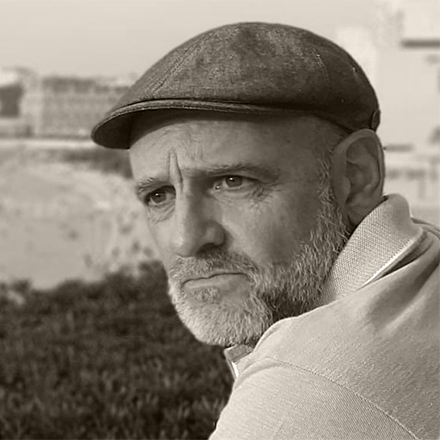
Mikel Etxeberria
Head of the Basque Observatory of Culture. Department of Culture and Language Policy of the Basque Government
NOVEMBER 5 Afternoon 15:00 – 15:45 / ROUNDTABLE
From Experience to the Future: 20 Years of the Basque Observatory on Culture
NOVEMBER 6 Morning 09:00 – 10:00 / ROUNDTABLECultural Laws and Rights
Head of the Basque Observatory of Culture. He previously worked at the Basque Government’s Directorate for the Promotion of Culture and has led the Observatory since 2018, with a brief period in between as Head of the Basque Government’s Library Service. He has specialised training in the transmission of Basque culture from Mondragon University. His professional work focuses on generating and analysing knowledge to support the planning, monitoring and evaluation of cultural policies, promoting studies, indicators and information systems aimed at improving understanding of the cultural ecosystem in the Basque Country.
-

Jorge Fernández León
Scientific Committee of LABoral Centre for Art and Industrial Creation
NOVEMBER 5 Morning 12:45 – 13:30 / ROUNDTABLE
Designing the Observatory of the Future: From Data to Decision-Making
NOVEMBER 6 Morning 10:00 – 10:30 / KEYNOTEEngine, Loudspeaker, or Whisper? Culture Observatories and Their Role in a Critical Context for Cultural Rights
NOVEMBER 6 Morning 11:00 – 11:30 / DIALOGUEJorge Fernández León and Pierluigi Sacco in Dialogue
Graduated in English Philology with a Master’s degree in Cultural Research, he currently works as a cultural consultant.
He has served as Director of Cultural Services for Gijón City Council (Spain), Director of the Office of the Presidency and Deputy Minister of Culture of the Government of Asturias, and Vice-President of the Board of Trustees of LABoral Centre for Art and Industrial Creation. He also played a leading role in establishing the public broadcasting corporation of the Principality of Asturias and has served on the Boards of Trustees of the Spanish Academy in Rome and the Interarts Foundation.
He is a member of the Culture Group of the Spanish Network for Sustainable Development, the Scientific Committee of LABoral Centre for Art and Industrial Creation, and the Mexican Network for Cultural Management, affiliated with the Mexican Government’s Ministry of Culture. He also serves on the Advisory Board of Periférica magazine and is a member of the Cultural Policy Observatory of Fundación Alternativas.
He is the curator of public cultural policies for Oviedo’s bid to become European Capital of Culture 2031.
His work focuses on exploring how cultural policies can respond to the challenges and impacts of the digital landscape while promoting fairness and equity
-
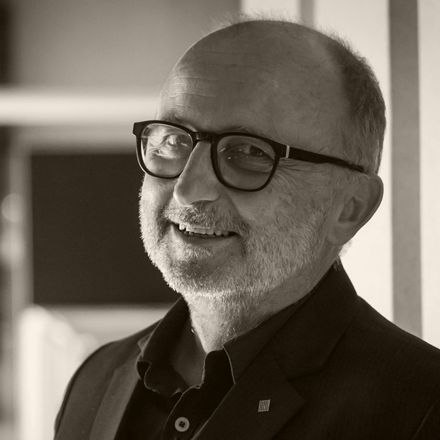
Xavier Fina
General Director of Cultural Promotion and Libraries, Government of Catalonia
NOVEMBER 5 Morning 12:45 – 13:30 / ROUNDTABLE
Designing the Observatory of the Future: From Data to Decision-Making
NOVEMBER 6 Morning 09:00 – 10:00 / ROUNDTABLECultural Laws and Rights
Head of the Basque Observatory of Culture. He previously worked at the Basque Government’s Directorate for the Promotion of Culture and has led the Observatory since 2018, with a brief period in between as Head of the Basque Government’s Library Service. He has specialised training in the transmission of Basque culture from Mondragon University. His professional work focuses on generating and analysing knowledge to support the planning, monitoring and evaluation of cultural policies, promoting studies, indicators and information systems aimed at improving understanding of the cultural ecosystem in the Basque Country.
-
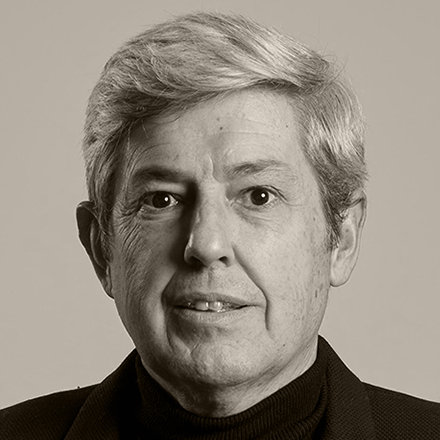
Antonio Javier González Rueda
Researcher in Cultural Studies (INDESS, University of Cádiz) and Principal Investigator of the Atalaya Cultural Observatory
NOVEMBER 5 Morning 12:00 – 12:45 / ROUNDTABLE
Observing Culture in Practice: Diverse Models, Shared Challenges
NOVEMBER 5 Morning 12:45 – 13:30 / ROUNDTABLEDesigning the Observatory of the Future: From Data to Decision-Making
Antonio Javier González Rueda holds a PhD in Arts and Humanities (cum laude) from the University of Cádiz and is a researcher in Cultural Studies at INDESS, where his work focuses on cultural management and policies, as well as heritage-making processes in rural areas. He holds a degree in History and a diploma in Library and Information Science from the University of Granada, and has also received specialised training in cultural management.
He is the director of the journal Periférica Internacional (2025 Andalusian Culture Award) and Principal Investigator of the Atalaya Cultural Observatory, where he promotes projects focused on analysis, evaluation and support for cultural management. Throughout his career, he has combined research, teaching and professional practice, with particular attention to the design and evaluation of cultural policies at local and university level.
He has served as Director of the Cultural Activities Service at the University of Cádiz and as Commissioner for its Second Strategic Plan, while also participating in various strategic planning and institutional evaluation processes. He is currently Director of the Coordination Secretariat at the University of Cádiz.
An accredited EFQM evaluator and a member of the SEPIE expert panel, he is the author of publications on literary heritage and cultural policies.
-
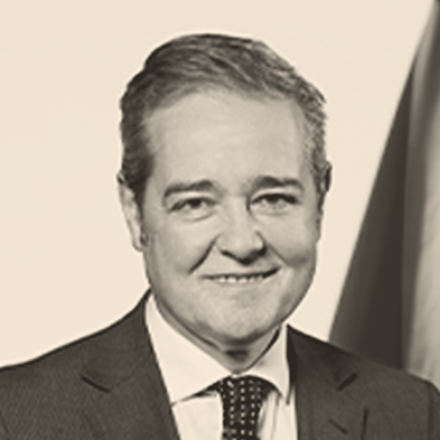
Andoni Iturbe
Vice-Minister of Culture, Basque Government
NOVEMBER 6 MORNING 09:00 – 10:00 / ROUNDTABLE
Cultural Laws and Rights
NOVEMBER 6 MORNING 13:55 – 14:30 / CLOSING SESSIONClosing Session
-
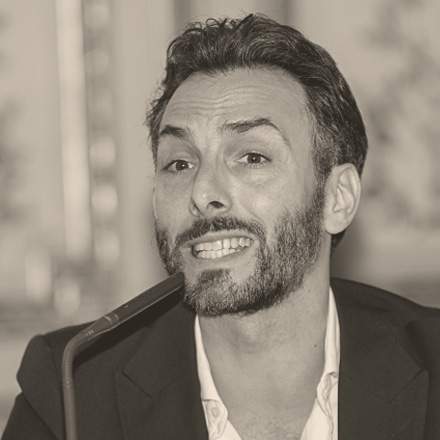
Javier Iturralde de Bracamonte
Co-founder of Nodos y Públicos
Adjunct Professor at IE UniversityNOVEMBER 5 Afternoon 15:45 – 16:15 / KEYNOTE
Thinking About AI Through Culture: Audiences, Data, and Decisions Guided by Institutional Judgment
Javier Iturralde de Bracamonte is a cultural and technology entrepreneur, researcher, and lecturer specializing in artificial intelligence applied to culture, digital transformation, and audience development. He is the co-founder of Nodos y Públicos, an initiative through which he supports institutions, cultural venues, public administrations, and cultural projects in the strategic adoption of AI, data governance, the improvement of internal processes, and decision-making based on useful information.
With more than twenty years of international experience across the United States, Europe, and Latin America, he is regarded as a leading professional in the application of artificial intelligence to the cultural and creative sector. His career combines professional practice, applied research, teaching, and strategic advisory work, with experience connected to institutions and projects such as MoMA, the Bronx Museum, the Brooklyn Conservatory of Music, and other organizations within the international cultural ecosystem.
He holds a PhD in Marketing and Communication from the Universitat Politècnica de València, awarded with an industrial doctorate distinction and a cum laude qualification, and is a graduate of Columbia University. He is an adjunct professor at IE University and a visiting professor at the Universitat de Barcelona. His work focuses on translating emerging technologies into practical solutions for cultural managers, public administrations, and creative organizations, always guided by cultural judgment, human oversight, and institutional responsibility.
-
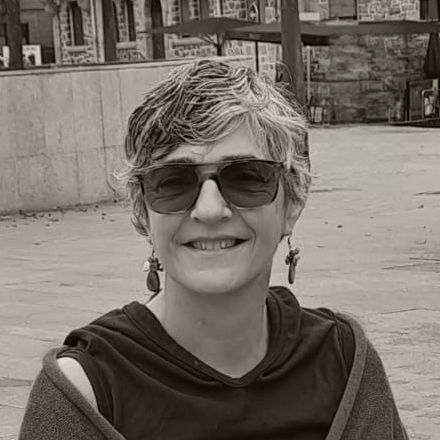
Aintzane Larrabeiti San Román
Researcher. ICC Consultors.
NOVEMBER 5 Afternoon 15:00 – 15:45 / ROUNDTABLE
From Experience to the Future: 20 Years of the Basque Observatory on Culture
Degree in Philosophy (University of Deusto), Master’s in Cultural Management, and PhD candidate in Leisure and Human Potential (UD). Her professional career is linked to culture, a field in which she has worked in public administration, at university, and in the private sector. An entrepreneur, consultant, researcher, and cultural manager, her career has given her a broad and in-depth perspective on cultural policies. Connected to the Basque Observatory of Culture since its creation in 2006, she has been part of the team providing technical assistance since 2012 (ICC Consultors). She currently describes herself as a storyteller of culture. She observes, thinks, analyses, writes, and actively participates in the community.
-
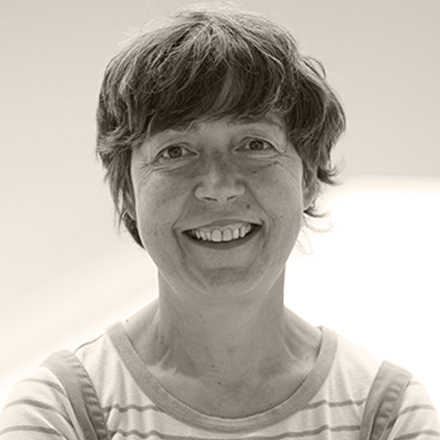
Bea Narbaiza Amillategi
Lecturer and Researcher, University of the Basque Country
NOVEMBER 5 Afternoon 15:00 – 15:45 / ROUNDTABLE
From Experience to the Future: 20 Years of the Basque Observatory on Culture
Bea Narbaiza Amillategi (Ermua, 1968) holds a degree in Journalism and a PhD in Audiovisual Communication and Advertising from the University of the Basque Country (UPV/EHU). She is a lecturer in the Department of Audiovisual Communication and Advertising at the University of the Basque Country.
She is a member of the NOR Research Group and has participated in several research projects focusing on the influence of the media, audiovisual consumption, and minoritised languages. Her research has included projects on transmedia communication, as well as studies examining young people's audiovisual consumption habits and their use of information and communication technologies (ICT) and online resources. She is currently one of the principal investigators of the Ikusiker research project.
She previously served as Director of the official Master's Degree in Multimedia Communication (UPV/EHU-EITB). She was also a member of the EITB Board of Directors during the 10th and 11th legislative terms.
-
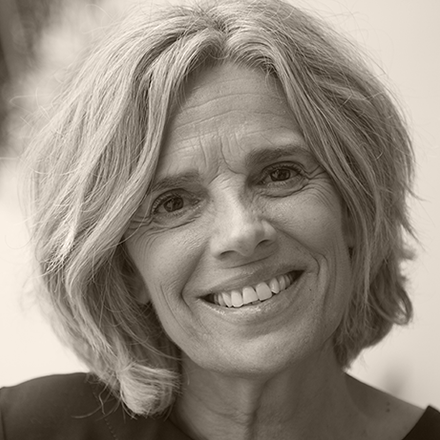
Edurne Ormazabal
General Director of Tabakalera - International Centre of Contemporary Culture
NOVEMBER 6 Morning 13:10 – 13:55 / CONVERSATION
Making Cultural Rights Effective: From Recognition to Practice
Edurne Ormazabal Azpiroz is the General Director of Tabakalera, the International Centre for Contemporary Culture in San Sebastián. Since taking up the position in February 2018, she has led the consolidation of the centre as an international benchmark for contemporary creation, thought and culture. Under her executive leadership, Tabakalera has developed a unique cross-disciplinary ecosystem model that successfully connects the visual arts, the audiovisual sector and social innovation, placing citizens and creators at the heart of the institutional project.
Her strategic approach at the helm of the centre is characterised by the promotion of major institutional partnerships and collaboration with prominent organisations and professionals in the fields of science and technology. This has helped strengthen cultural production and expand the centre’s international reach. Her management has prioritised attracting new audiences and bringing them closer to contemporary creation, transforming the centre into a vibrant hub for cultural exchange that responds to the changes taking place in today’s society.
This solid track record in cultural management is underpinned by more than two decades of distinguished experience in the media and cultural industries. Ormazabal has held senior management and leadership positions within the Basque public broadcasting group EiTB. There, she led the organisation’s digital transformation and corporate strategy as head of EiTBNet, managed the music radio station Gaztea and served as Commercial Director of the entire multimedia group, consistently combining a journalistic perspective with high-level executive management.
-
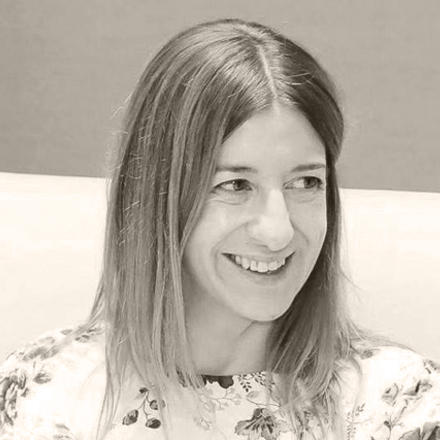
Cristina Ortega Nuere
Director, 3Walks
NOVEMBER 5 Morning 12:00 – 12:45 / ROUNDTABLE
Observing Culture in Practice: Diverse Models, Shared Challenges
Cristina Ortega Nuere has been Chief Executive Officer of the World Leisure Organization (WLO) since 2016. She holds a PhD in Leisure and Human Development from the University of Deusto, Spain, where she developed an extensive academic and research career spanning more than two decades. She currently combines her international institutional responsibilities with postgraduate teaching in cultural management and policy.
An internationally recognised expert in cultural policies, cultural observatories and cultural measurement, she is a former President of ENCATC and currently chairs its Working Group on Strengthening Cultural Observatories and Rethinking Cultural Measurement for Future Policy-Making. She previously coordinated ENCATC’s international network of cultural observatories and has served on the Evaluation Committee of the Basque Observatory of Culture since 2010.
Her work focuses on evidence-based cultural policymaking, cultural indicators, impact assessment and the role of observatories in understanding cultural ecosystems and informing public policies. She has led and contributed to numerous international research and cooperation projects, including initiatives supported by UNESCO and the European Commission. She is the author of Observatorios Culturales. Creación de mapas de infraestructuras y eventos (Ariel, 2010), a reference publication in the field.
-
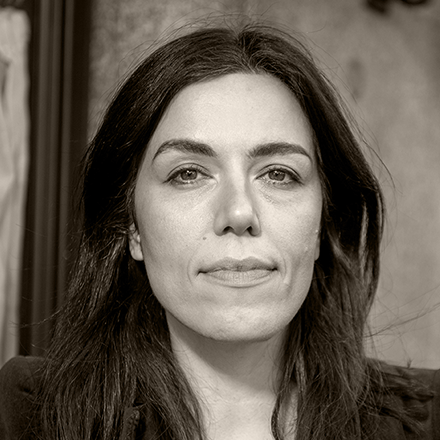
Marta Peirano
Analyst and writer specialising in technology and power
NOVEMBER 5 Afternoon 16:15 – 16:55 / CONVERSATION
Between Data and Values: The Ethics of Artificial Intelligence in Cultural Observatories
Marta Peirano is an analyst and writer specialising in technology and power. She is the author of El rival de Prometeo (2011), a pioneering essay on automata and artificial intelligence; El pequeño libro rojo del activista en la red (2015), with a foreword by Edward Snowden; El enemigo conoce el sistema (2019), a bestselling book on surveillance capitalism; Contra el futuro (2022), an incisive critique of technological promises in the face of the climate crisis; and (re)programming (2022), a collection of conversations on AI and political alternatives to collapse. She is a columnist for El País and Spanish National Radio.
-
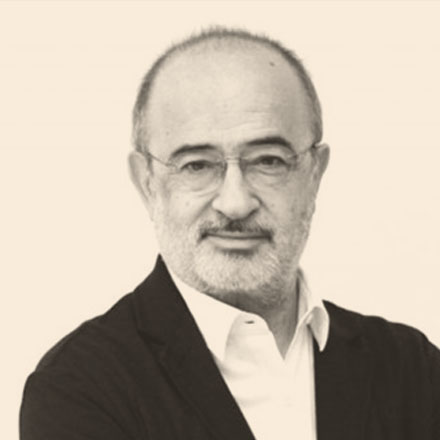
Jesus Prieto de Pedro
Chairholder of the Andrés Bello Chair in Cultural Rights (Andrés Bello Agreement, UC3M, UNED)
NOVEMBER 6 MORNING 13:10 – 13:55 / CONVERSATION
Making Cultural Rights Effective: From Recognition to Practice
-
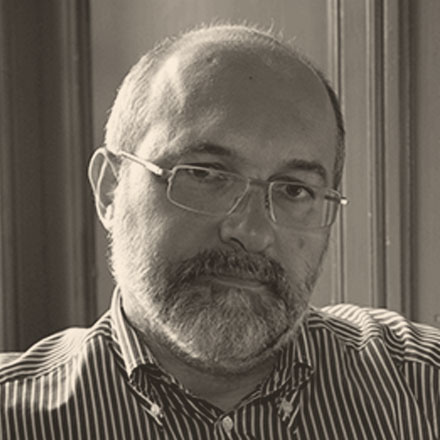
Pierluigi Sacco
Professor of Economics, University of Chieti-Pescara
NOVEMBER 5 Morning 12:45 – 13:30 / ROUNDTABLE
Designing the Observatory of the Future: From Data to Decision-Making
NOVEMBER 6 Morning 10:30 – 11:00 / KEYNOTESecond Nature: What Culture Does and How We Might See It
NOVEMBER 6 Morning 11:00 – 11:30 / DIALOGUEJorge Fernández León and Pierluigi Sacco in Dialogue
-
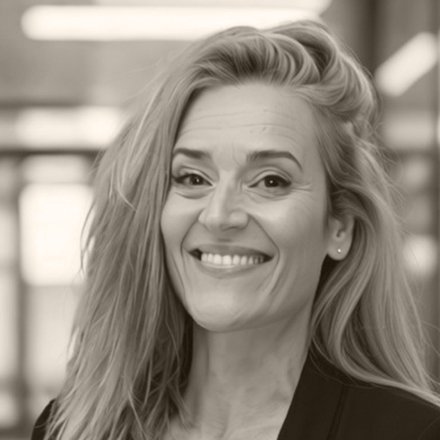
Maitena Salinas
Journalist and High-Performance Leadership and Communication Mentor
All sessions
MC
She holds a degree in Communication Sciences from the Pontifical University of Salamanca and has nearly three decades of professional experience in communication, journalism and human rights research.
Her professional profile combines journalistic experience with a strong interdisciplinary background, with a particular focus on human and cultural rights. She holds a postgraduate qualification as a University Specialist in Human Rights from the University of the Basque Country (EHU) and has completed specialised training in cultural rights and United Nations human rights protection mechanisms through a training placement in Geneva as part of the Human Rights Internship Program (UN-UNESCO).
Her qualifications also include a Master's degree in Coaching and Mentoring from the International University of La Rioja (UNIR), training in inclusive leadership at Carlos III University of Madrid, leadership training at the Process Work Institute, and studies in social innovation and Basque culture.
Throughout her career, she has worked with media organisations, public administrations, universities, cultural institutions and internationally active organisations, specialising in strategic communication, dialogue facilitation and fostering connections between diverse perspectives and fields of knowledge.
-
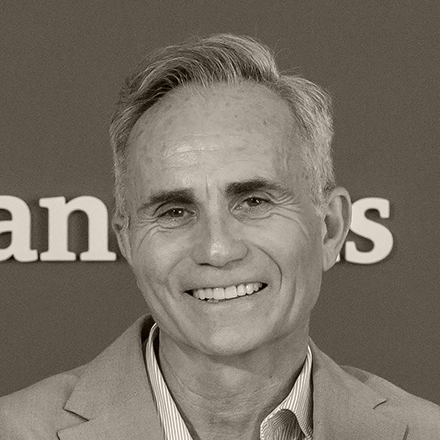
Horacio Umpiérrez
Vice-Minister of Culture and Cultural Heritage, Government of the Canary Islands
NOVEMBER 6 Morning 09:00 – 10:00 / ROUNDTABLE
Cultural Laws and Rights
Horacio Umpiérrez Sánchez holds a degree in Art History and is one of the leading figures in cultural management in the Canary Islands, with more than three decades of experience in the design and development of cultural policies and in the public management of heritage. He is currently Vice-Minister for Culture and Cultural Heritage of the Government of the Canary Islands.
Originally from Fuerteventura, he began his career as a cultural officer at the Island Council in the 1980s. Between 1995 and 1999, he served as Director General for Culture of the Government of the Canary Islands, promoting key initiatives for the consolidation of regional cultural policies.
A career civil servant at the Fuerteventura Island Council since 1990, he has held positions such as Head of the Culture Department, Managing Director of the Fuerteventura Conference Centre, Director of the Juan Ismael Art Centre, technical coordinator of the island’s Network of Museums and Centres, and of the Fuerteventura Film Commission.
Committed to the professionalisation of the sector, he is a founding member of the Professional Association of Cultural Management of the Canary Islands and has participated in various cultural planning and advisory bodies. He is currently a member of regional and national organisations such as the Board of Trustees of the Museo Nacional Centro de Arte Reina Sofía, the Canary Islands Council for Culture, the Canary Islands Historical Heritage Council, and the Canary Islands Institute for Cultural Development, contributing to the strengthening and modernisation of public cultural management in the archipelago.
-
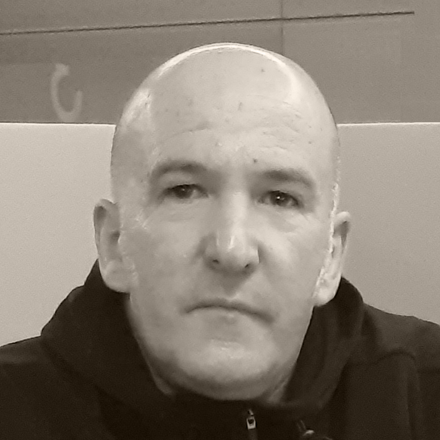
Josean Urdangarin
Head of the ICC Service. Department of Culture and Language Policy of the Basque Government
NOVEMBER 5 Afternoon 15:00 – 15:45 / ROUNDTABLE
From Experience to Foresight: 20 Years of the Basque Cultural Observatory
Josean Urdangarin is the head of unit of CCIs in the Direction of Cultural Promotion and Cultural and Creative Industries, in the Basque Government’s Department of Culture and Language Policy. The holder of a degree in Basque Philology, he worked as a manager and head of Language Planning from 1989 to 2002, engaged in the fields of qualitative and quantitative research and areas related to status planning for the Basque language. Thereafter, he became involved in the work of drafting and developing cultural policies in Euskal Herria (Basque Plan for Culture). At present, his fields of activity are related to the development of strategies for the Cultural and Creative Industries Policies in the Basque Country.
-
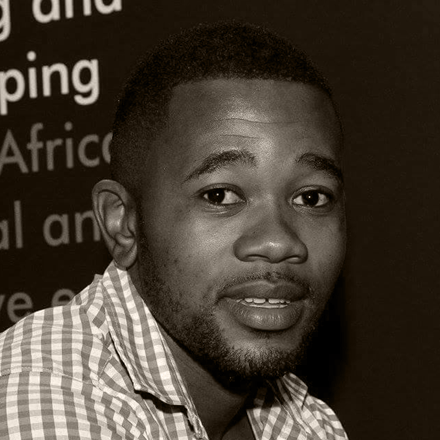
Sinethemba Vitshima
South African Cultural Observatory Researcher
NOVEMBER 5 Morning 12:00 – 12:45 / ROUNDTABLE
Observing Culture in Practice: Diverse Models, Shared Challenges
Senior Researcher and Economic Analyst with 8+ years of experience delivering high-impact economic research, advanced statistical modeling, and strategic project execution within the Creative and Cultural Industries (CCI) sector. Adept at designing and implementing national-level surveys and applying complex econometric models using R, SAS, Excel, and EViews to inform evidence-based policy and strategic decisions. Co-authored international research papers and led South African contributions to Africa-Europe CCI studies. Provided expert insights to global media outlets, including CNN and the African Development Bank, on AI adoption and trends in the creative industry. Directed a mentorship program that developed youth in the creative sector and strengthened team performance. Contributed to flagship national projects, including Artists in Schools and PESP, while ensuring data integrity and expanding the SACO database. Recognised for analytical excellence, leadership in research execution, and a results-driven approach to stakeholder engagement. Sinethemba is passionate about developing young people, transformation, and young creatives in the cultural and creative industries.
-
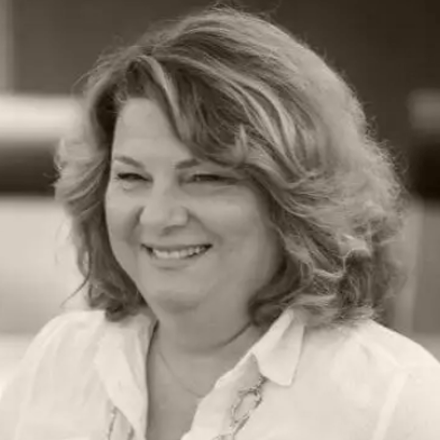
Alexandra Xanthaki
UN Special Rapporteur in the field of Cultural Rights
NOVEMBER 6 Morning 12:00 – 12:20 / KEYNOTE
Measuring the Implementation of Cultural Rights: Ways Forward
Alexandra Xanthaki was appointed UN Special Rapporteur in the field of cultural rights in October 2021. Xanthaki is Greek and lives in the United Kingdom where she works as a Professor of Laws at Brunel University London, United Kingdom. Throughout her academic career, Xanthaki has published on the cultural rights of minorities and indigenous peoples, cultural diversity, cultural heritage, balancing cultural rights with other rights and interests, and multiculturalism and integration in international human rights law. She has worked with NGOs, civil society and has consulted States on such issues.
-
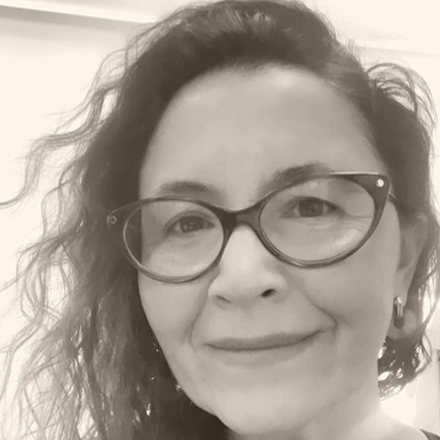
Rosario Zschoche Valle
Head of the Cultural Territory Unit, Ministry of Cultures, Arts and Heritage, Chile.
NOVEMBER 5 Morning 12:00 – 12:45 / ROUNDTABLE
Observing Culture in Practice: Diverse Models, Shared Challenges
Geographer, territorial management specialist, and senior public sector executive with over 20 years of experience in the design and implementation of cultural policies, territorial planning, and territorial development. Since 2019, she has coordinated the Cultural Territory Unit at the Ministry of Cultures, Arts and Heritage, leading initiatives aimed at strengthening cultural citizenship, promoting territorial equity, and fostering the sustainable development of communities at both national and local levels.
She has promoted the integration of a territorial approach into the Citizenship and Cultural Rights programmes, advancing targeting and prioritisation criteria that enhance the relevance and impact of policy interventions. She has also led the design and strengthening of initiatives such as Regional Identity, Culture Network, and Community Cultural Hubs, incorporating principles of citizen participation, cultural identity, territorial equity, and decentralisation to contribute to the cultural development of territories.
She believes in culture as a powerful tool for strengthening communities and fostering development rooted in local territories. Throughout her career, she has worked to connect people, institutions, and public policies to promote cultural processes grounded in local realities.
Her work is closely aligned with the challenges addressed by cultural observatories, particularly in relation to the generation and use of knowledge for public administration, the analysis of territorial disparities, the strengthening of cultural participation, and the development of evidence-based public policies.