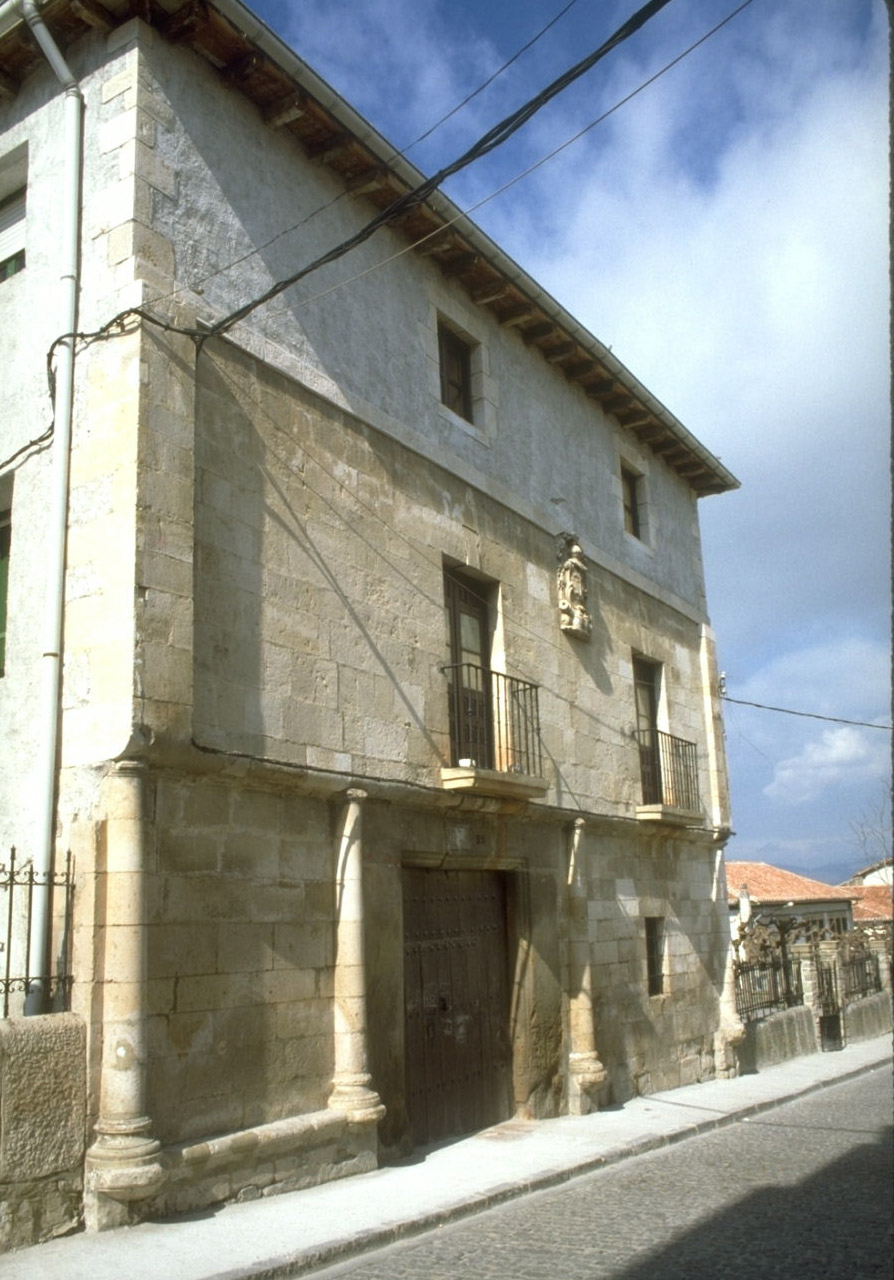
This Town was founded in 1256 by Alfonso X on the former village of Agurain. Situated in the eastern area of the plains of Araba and built on a ridge, it adapts to the land by spreading out in a North-South direction, following the urbanistic typology of most through towns. It is formed by three main parallel streets with two church-forts at each end,
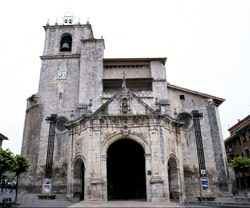
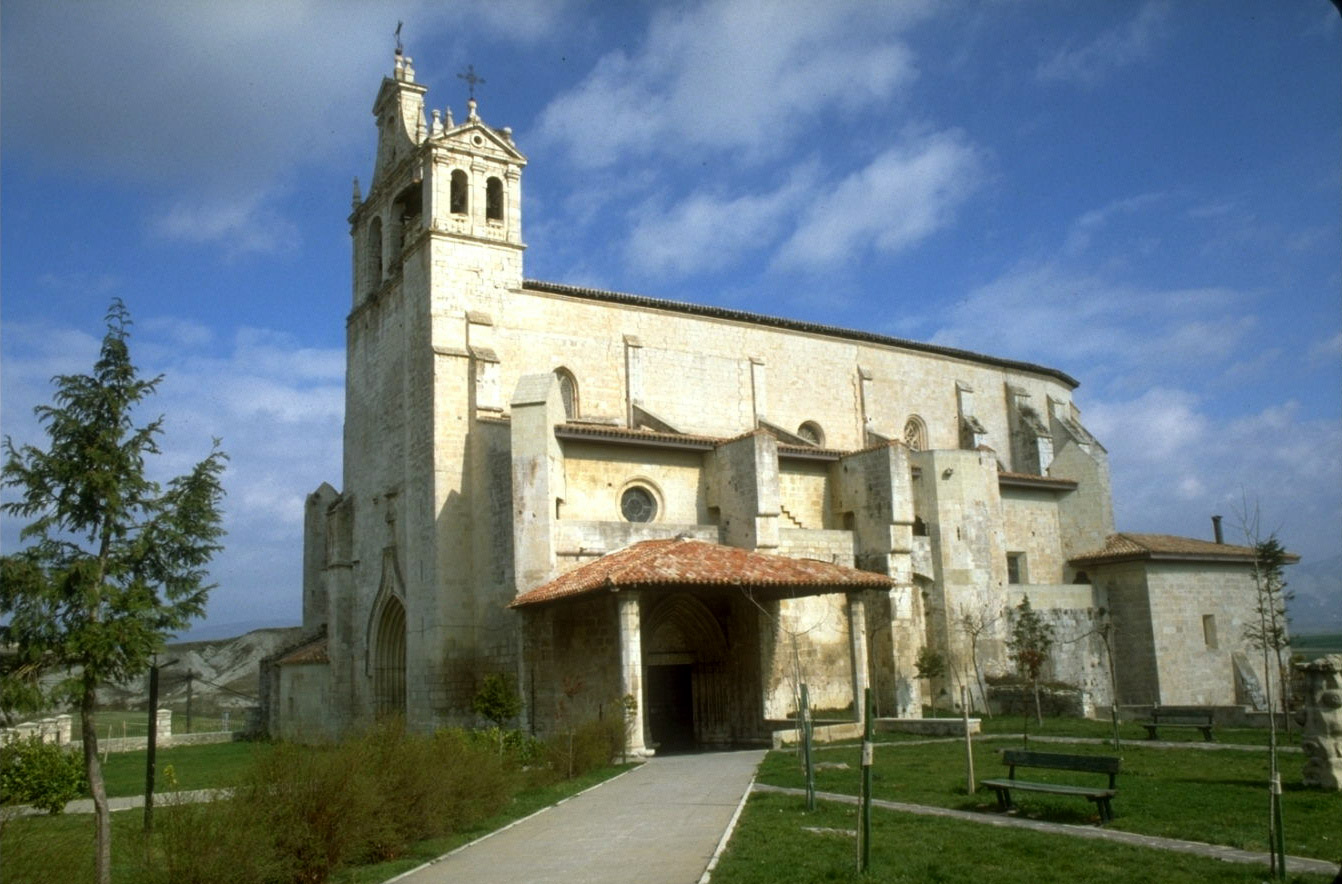
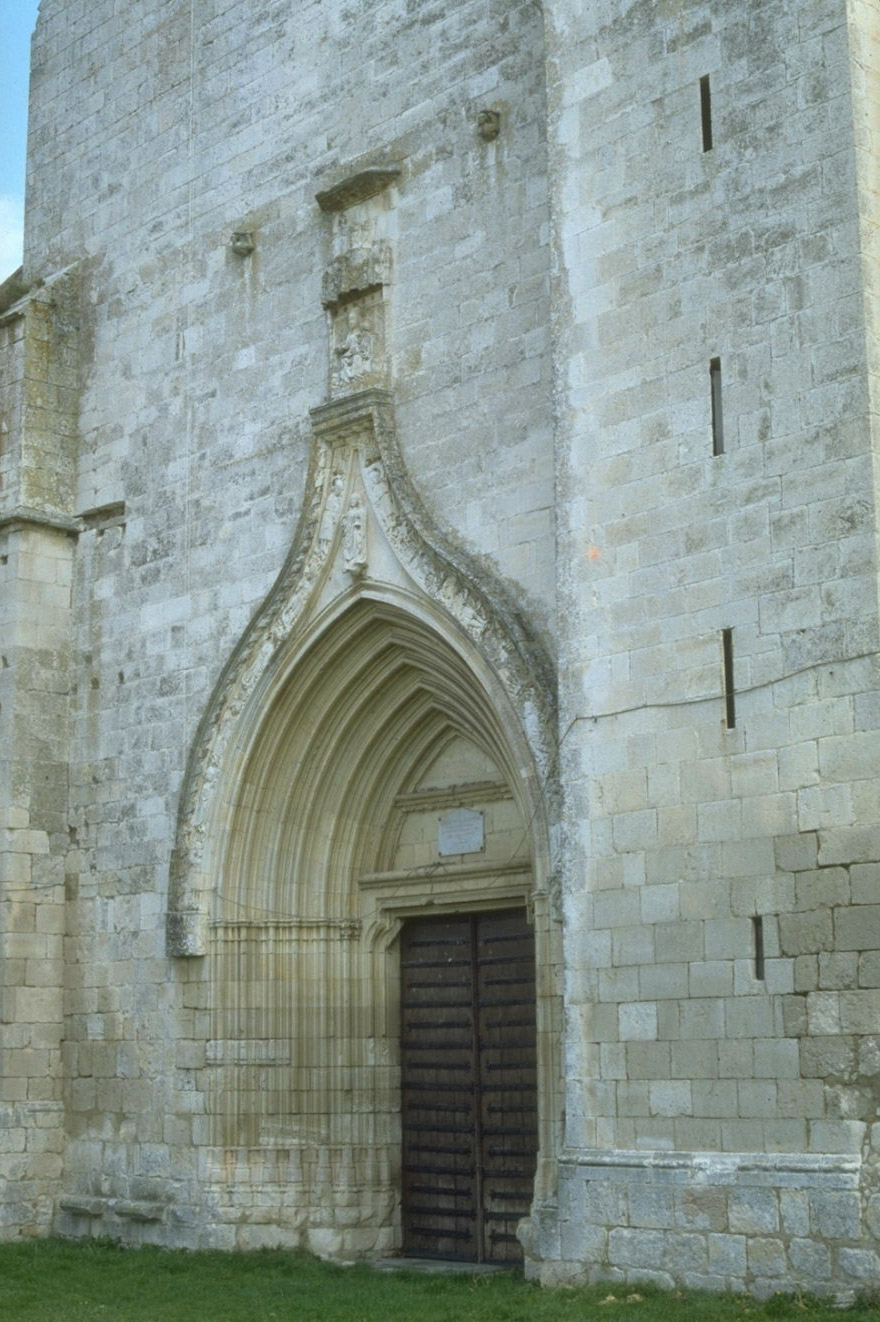
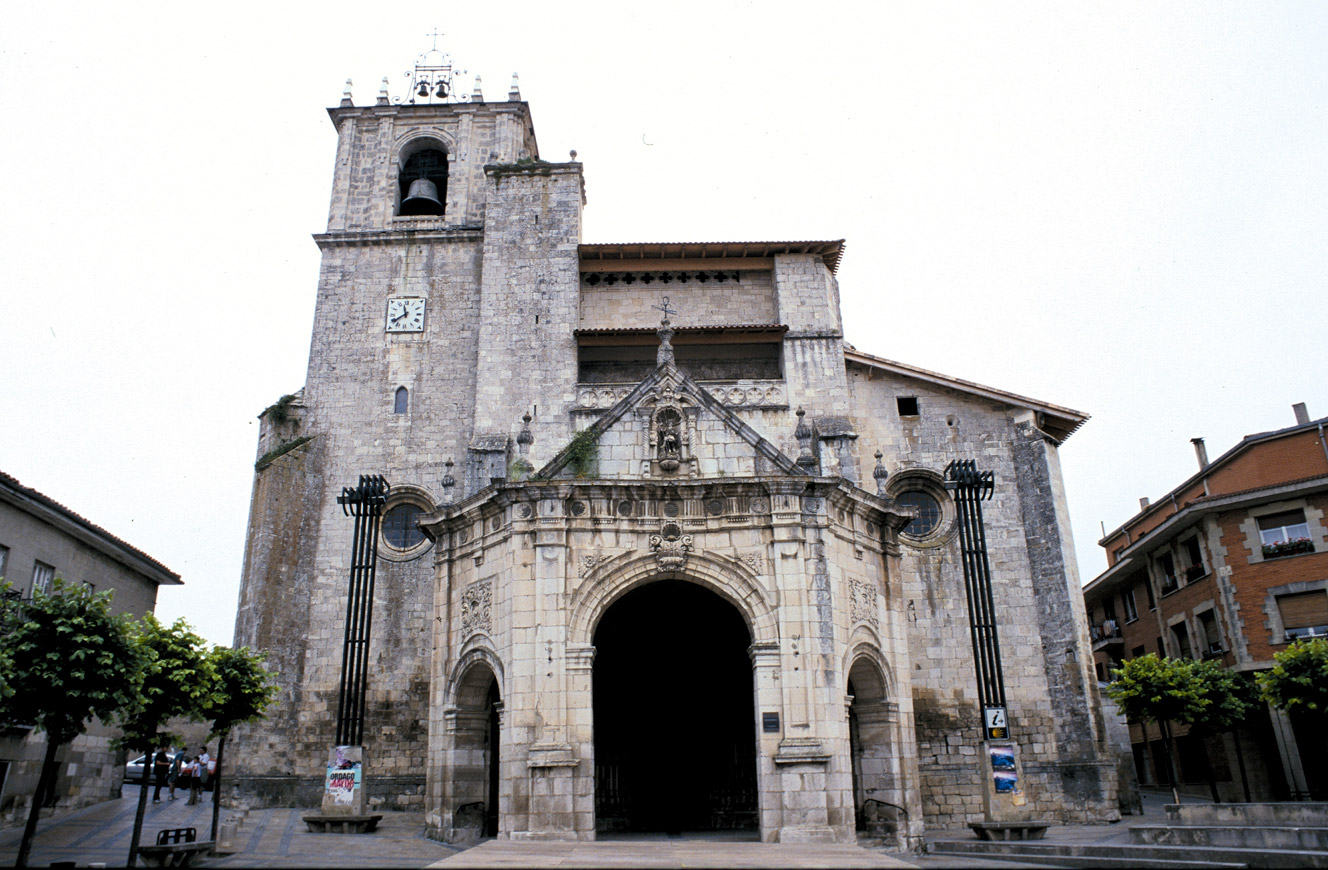
Santa María to the north and
San Juan to the south, which reinforced the walls defending the two opposite entrances to the town. In addition to these two churches and
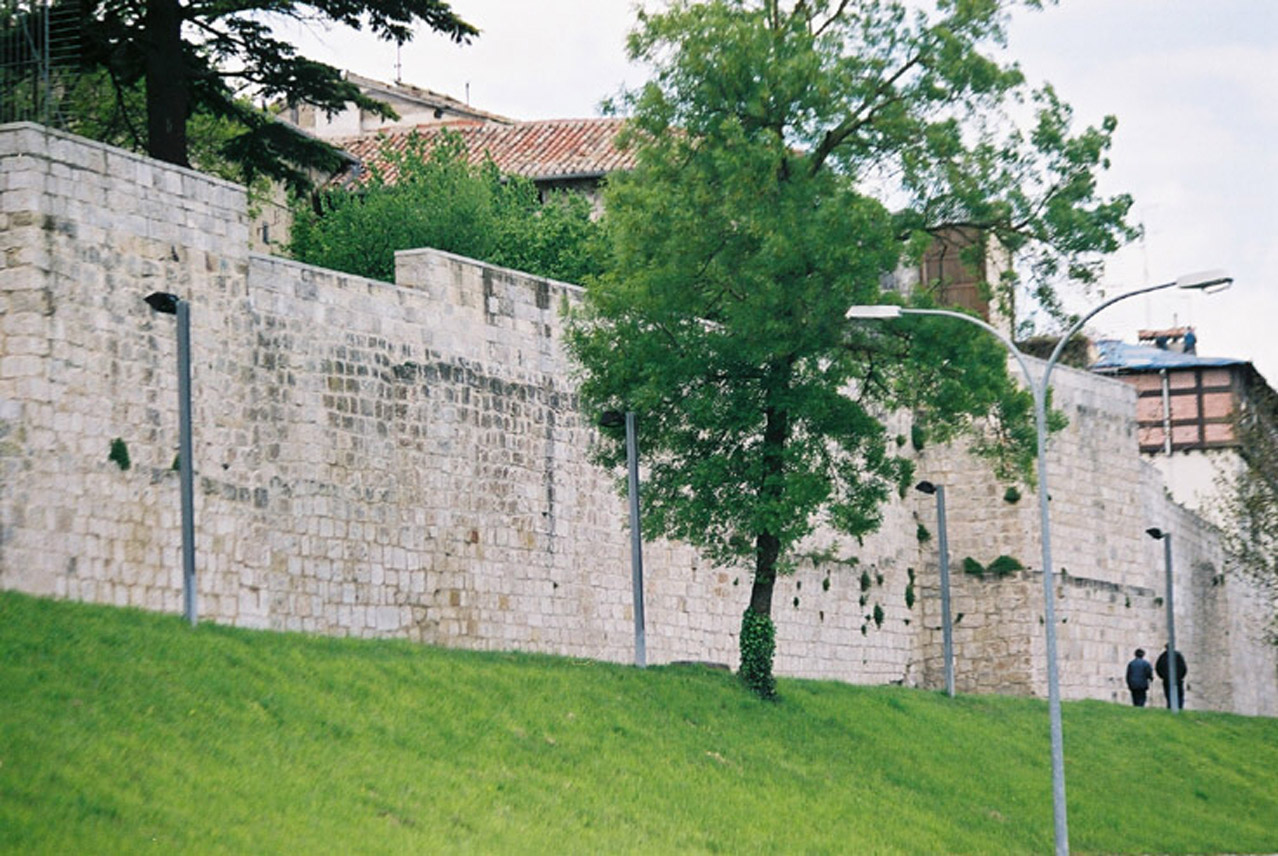
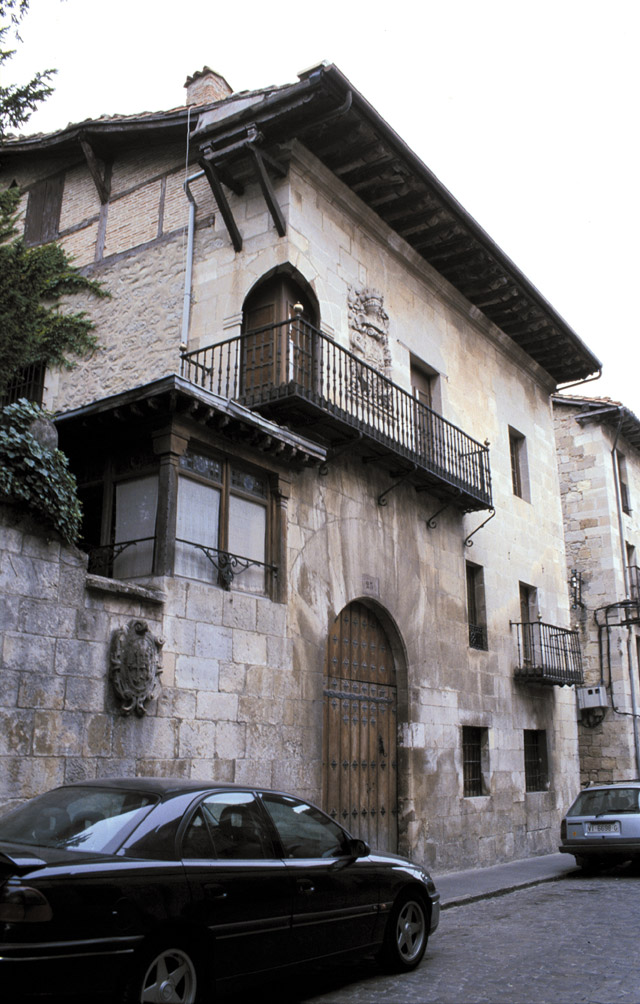
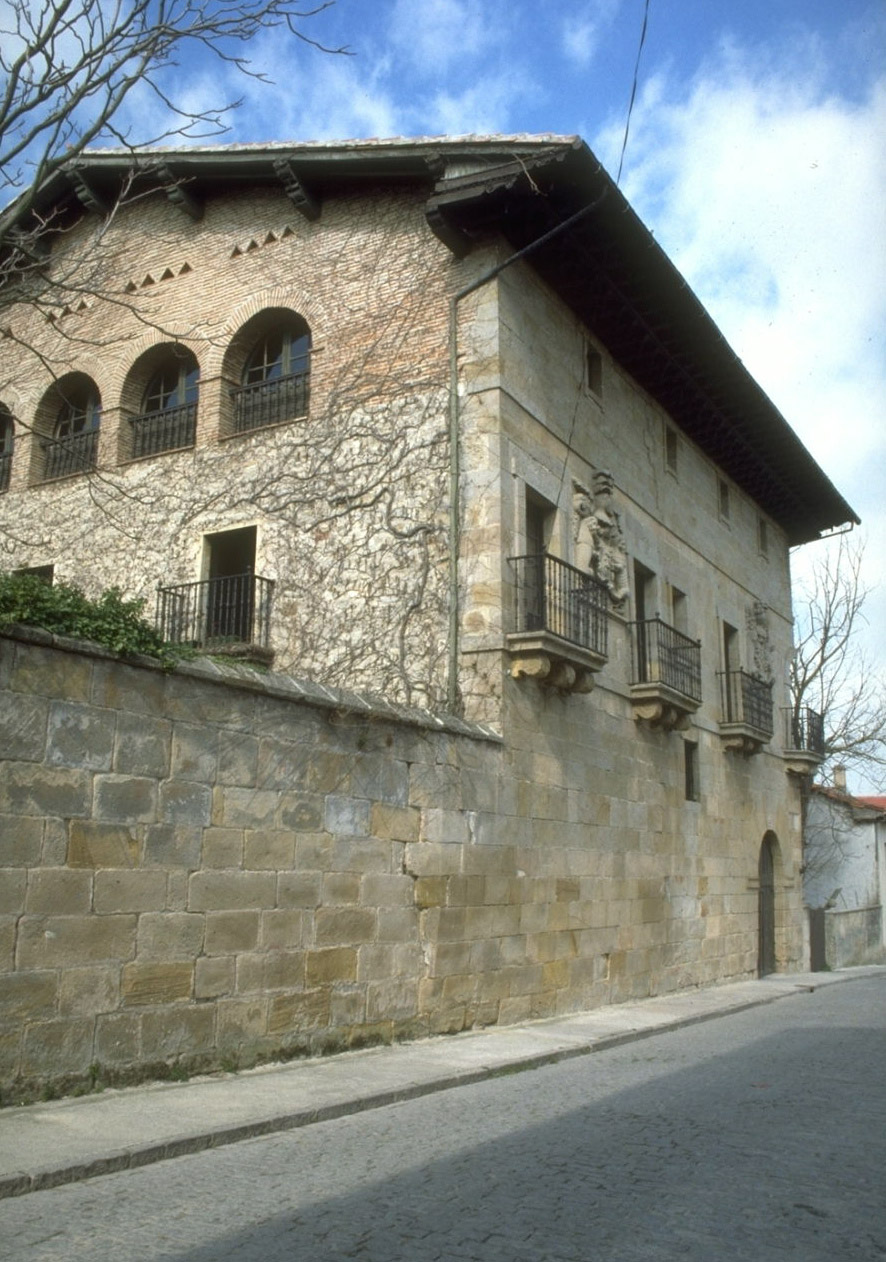
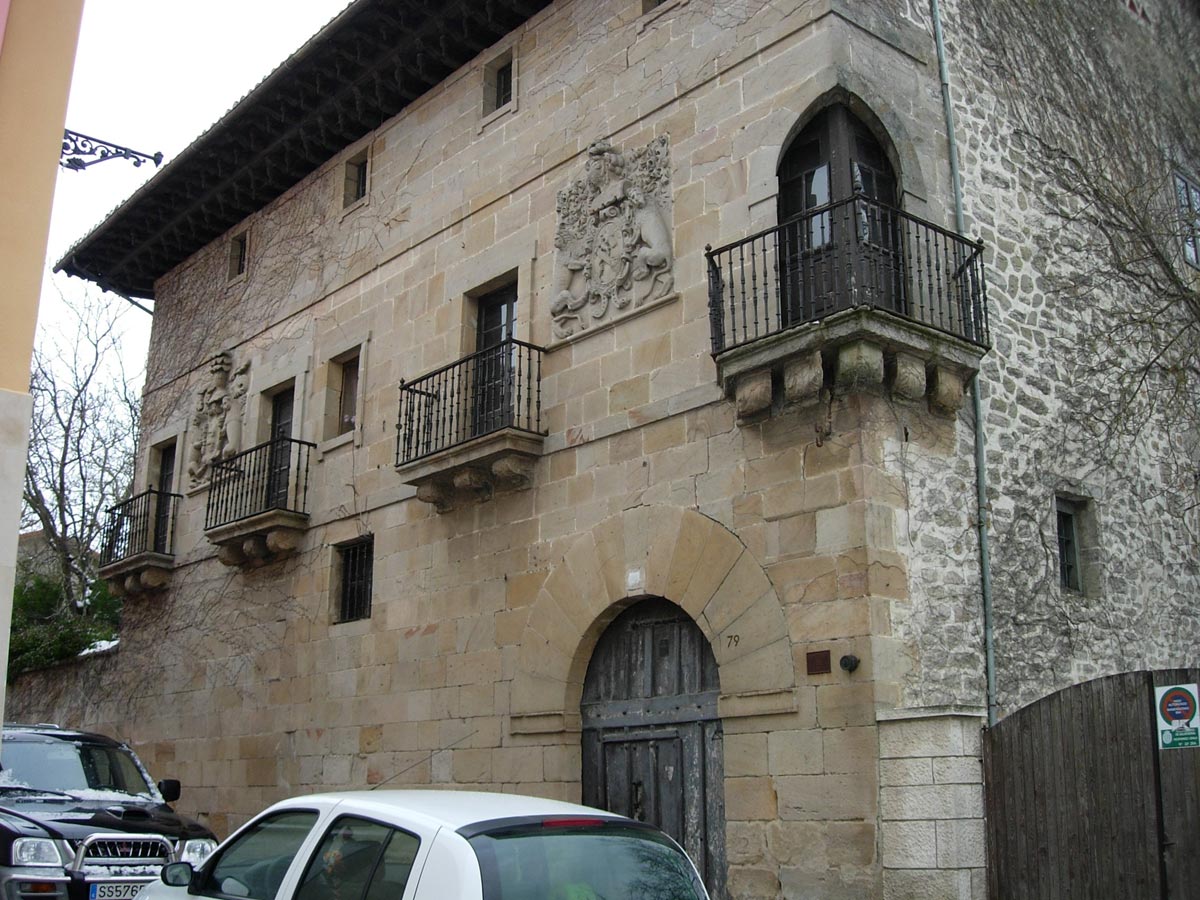
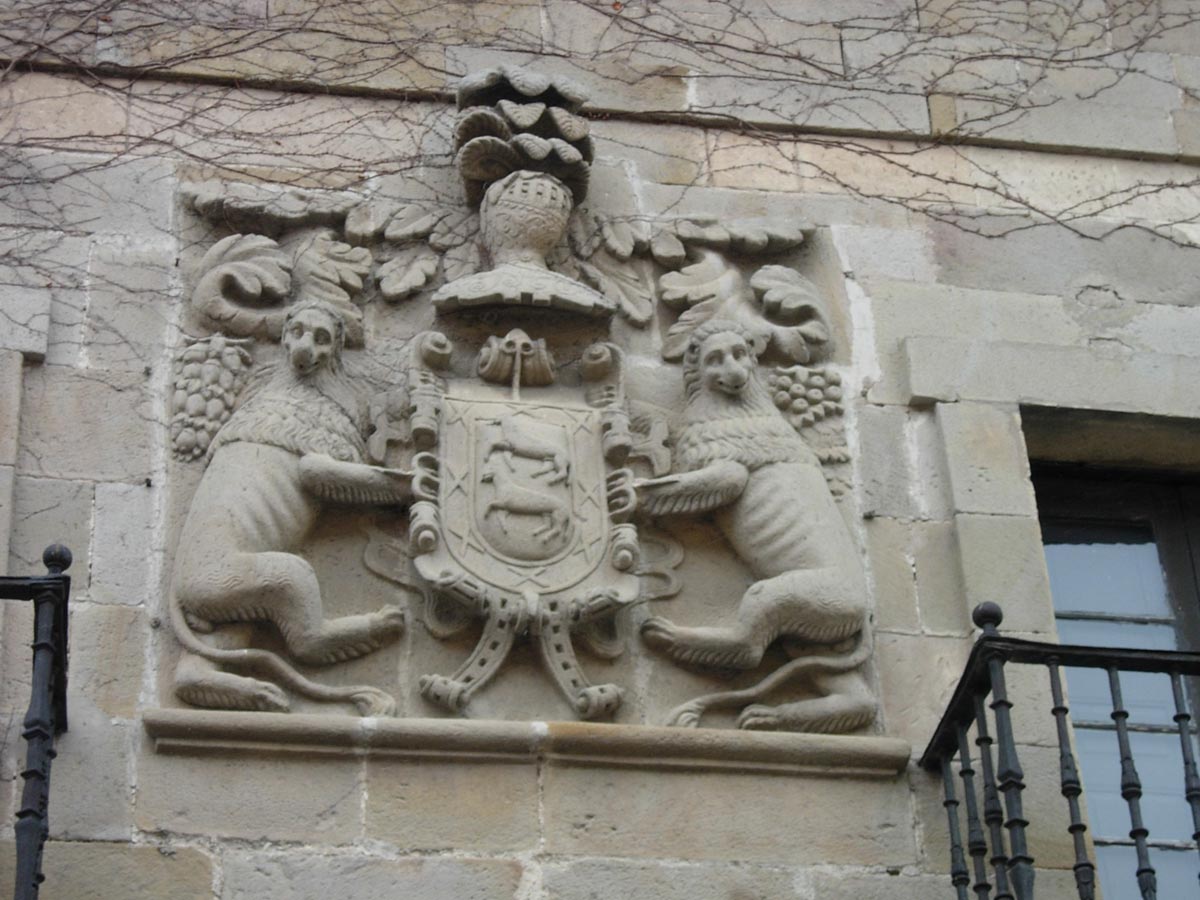
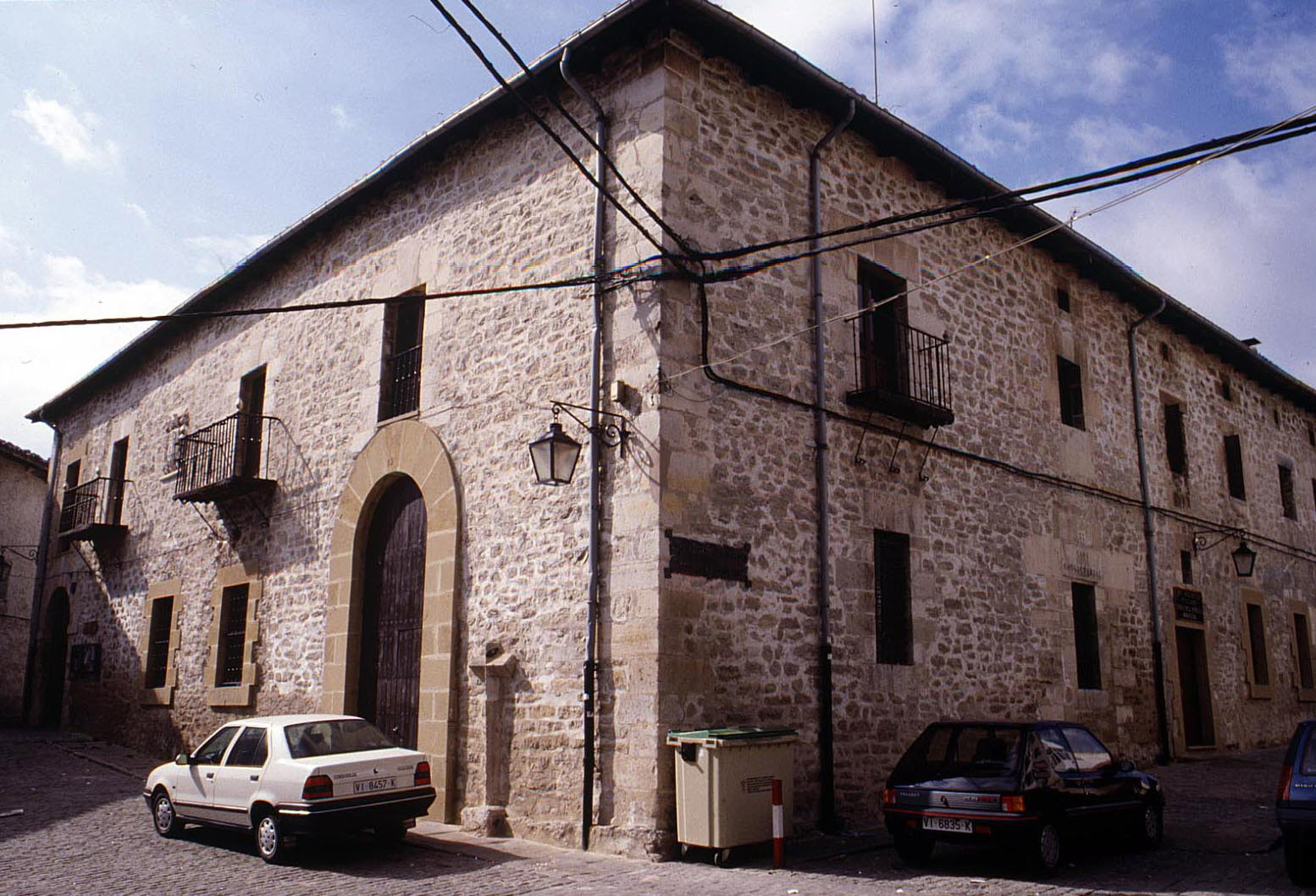
the wall, which still conserves two towers, notable monumental elements also include a large number of stately homes with coats of arms and Renaissance and baroque typology. All these houses were built after the fire that destroyed a large part of the town in 1564, transforming its urban structure. Examples of this type of construction include the houses called
Casa de los Begoña,
Casa Azcarraga, the
Town Hall, built over part of the old church of San Martín and the
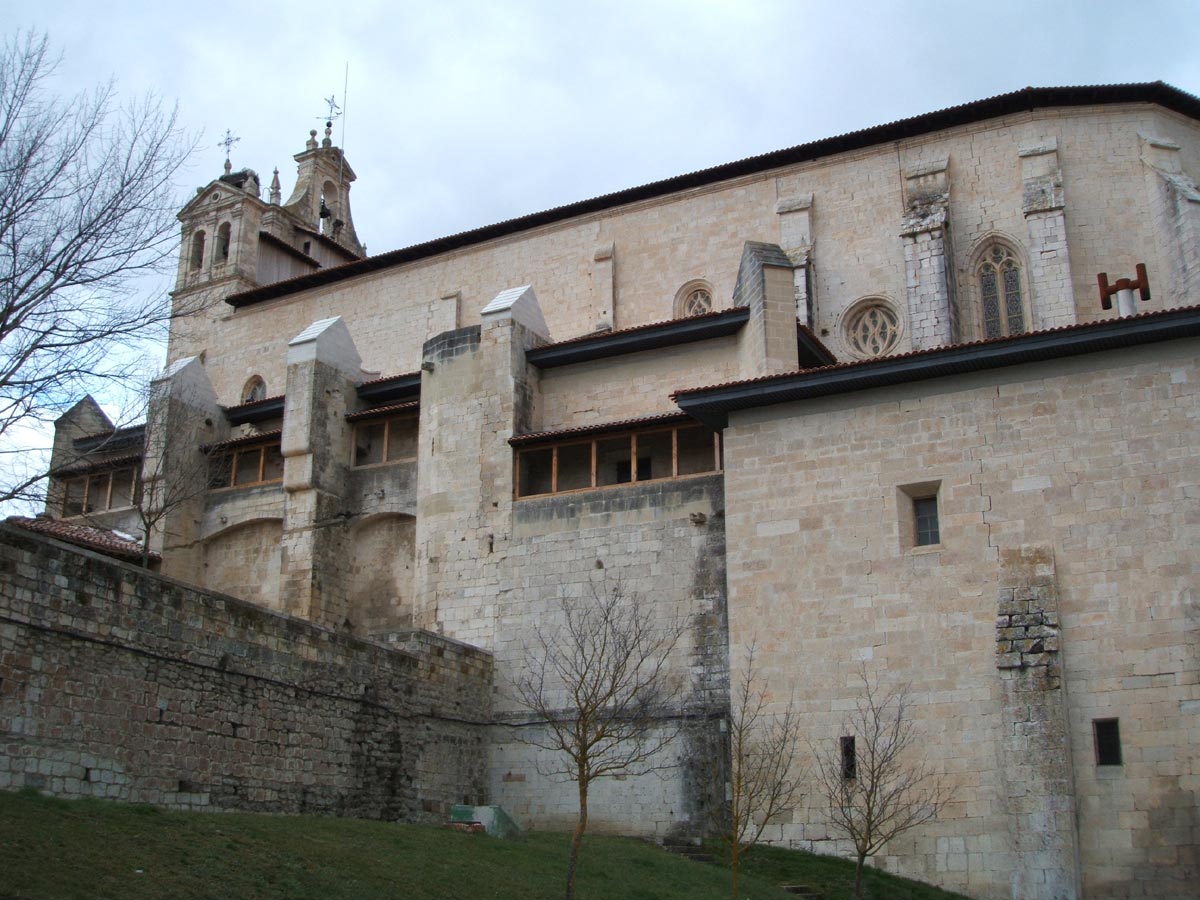
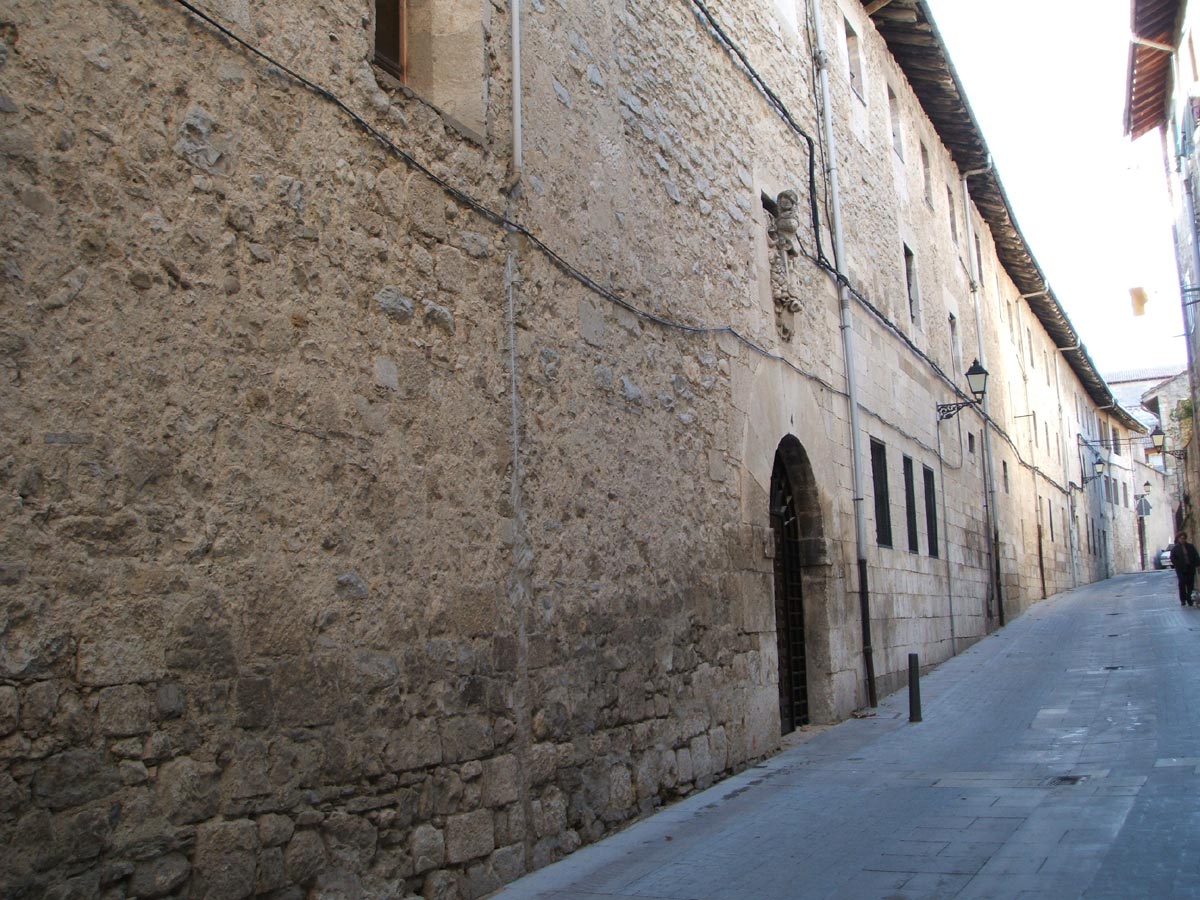
Convento de las Clarisas de San Pedro, adjoining the wall and in a sober baroque style.