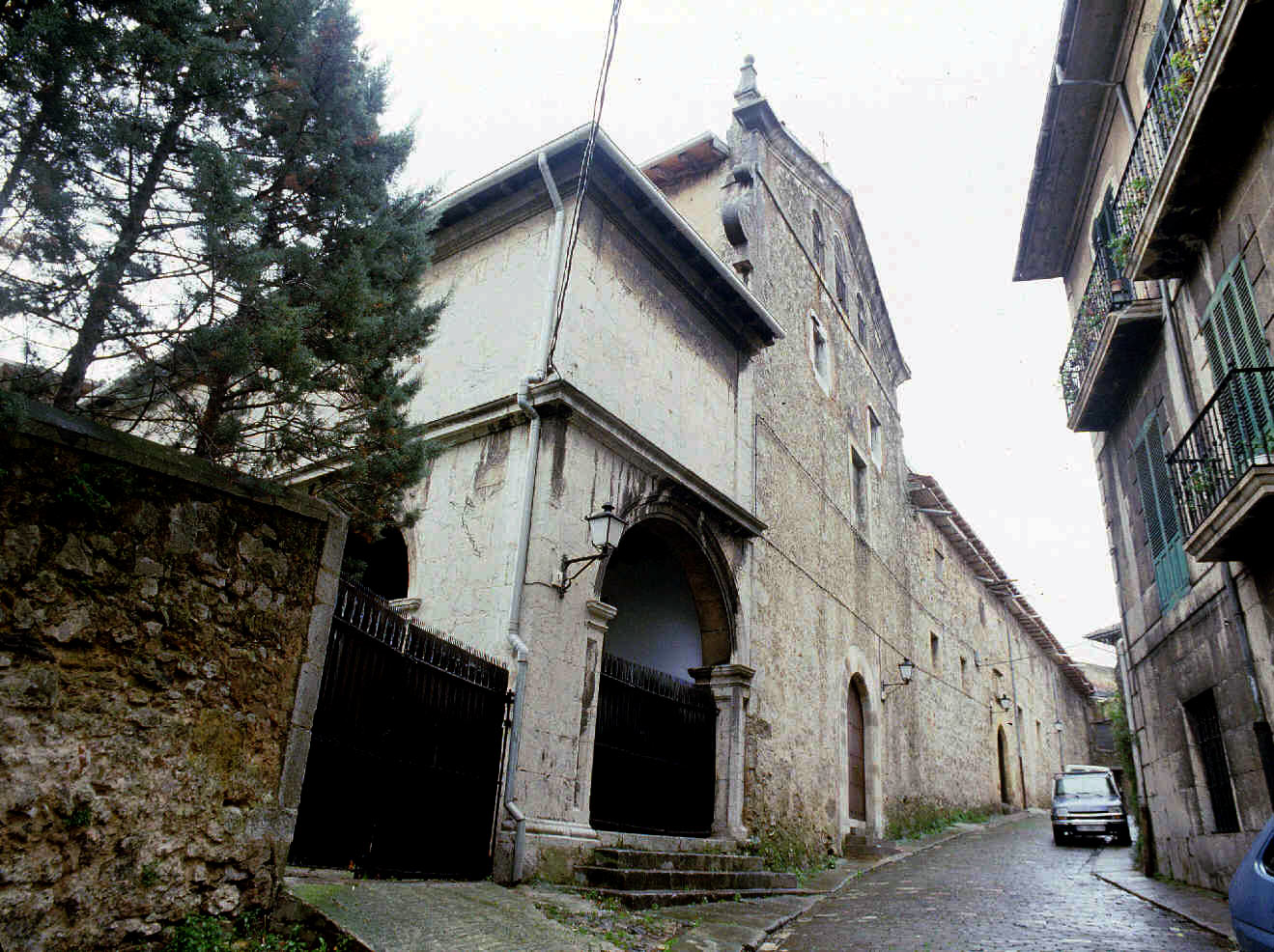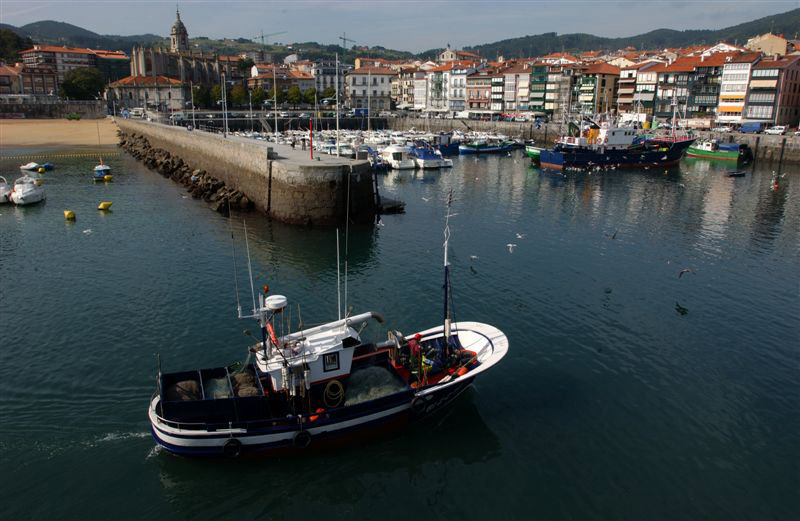
This town, founded in 1325 by Doña María Díaz de Haro, conserves some traces of its former mediaeval organisation. In Lekeitio three perfectly differentiated areas can be observed: the north or fishing area, the south or rural area and the area connecting these two sectors, or central area.
There are mediaeval remains such as the Town Hall, traditionally known as
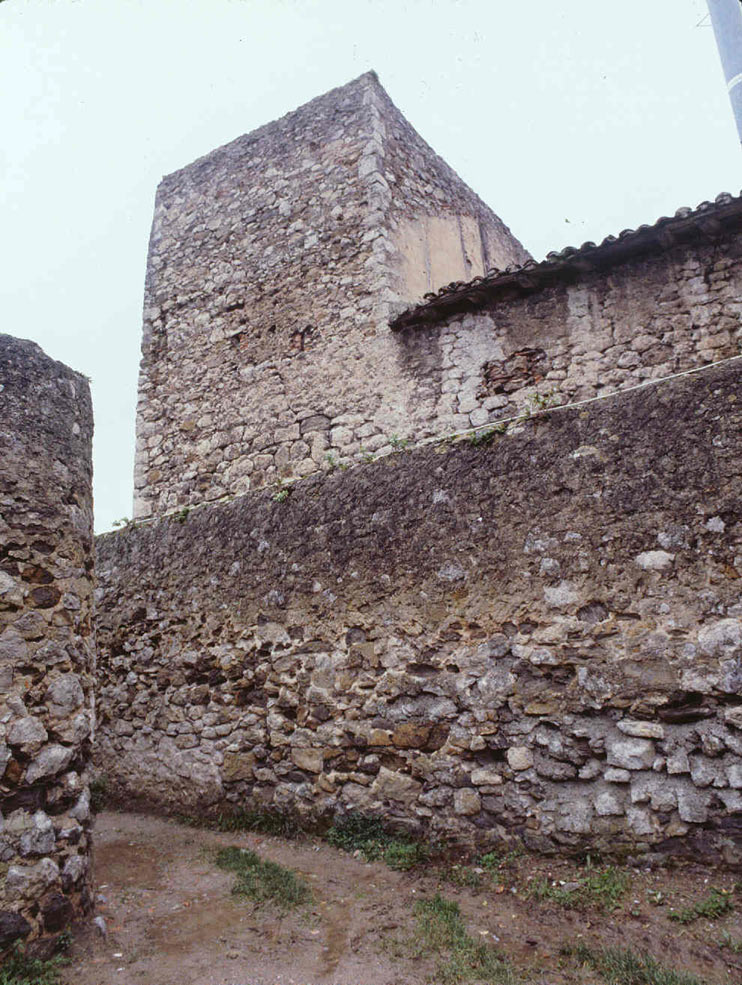
San Pedro Baitza, and Torrezar, undoubtedly the town's oldest tower. From the 16th century we can highlight the
Turpin tower, and from the 17th and 18th centuries, the
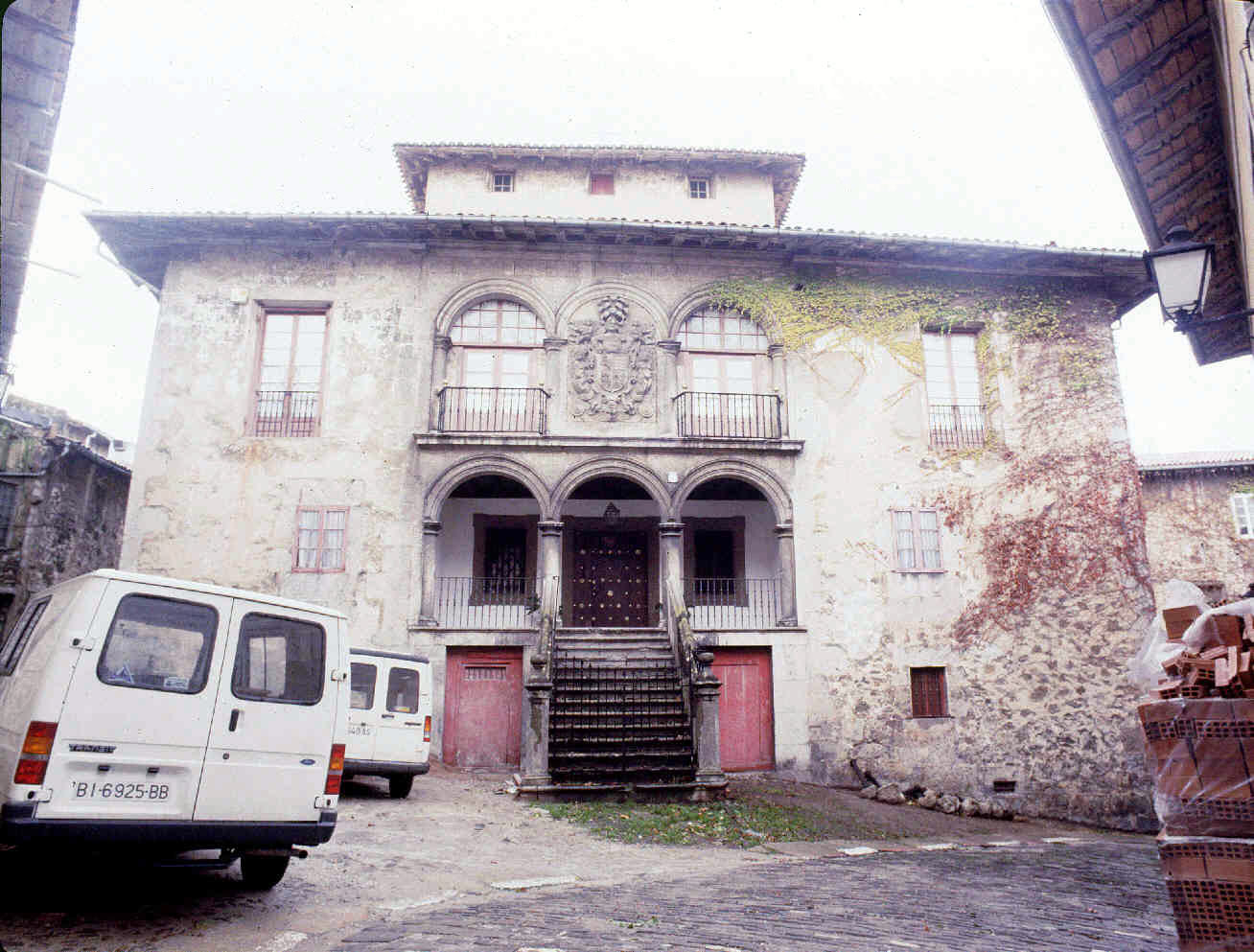
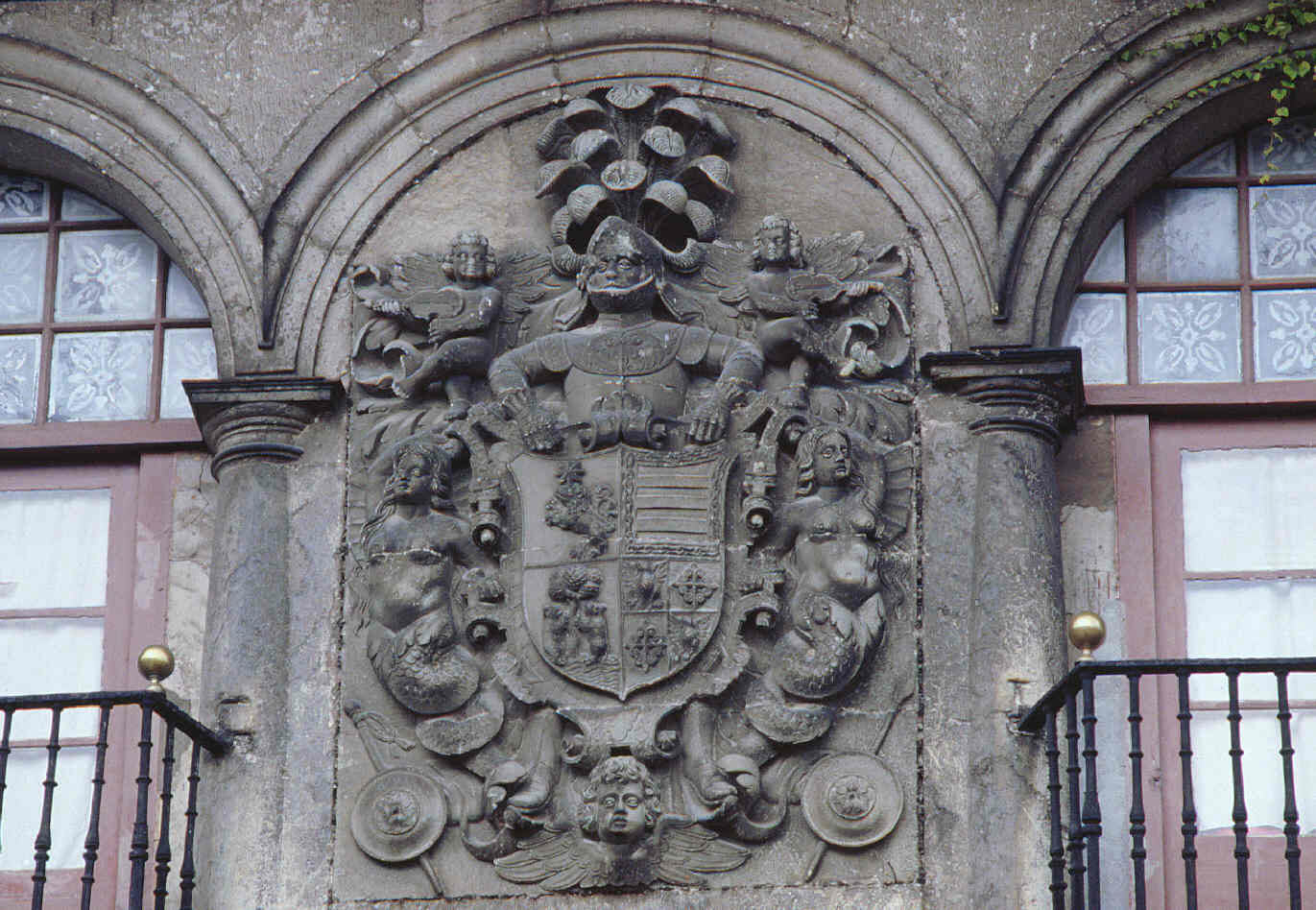
palace of Uriarte, the façade of the
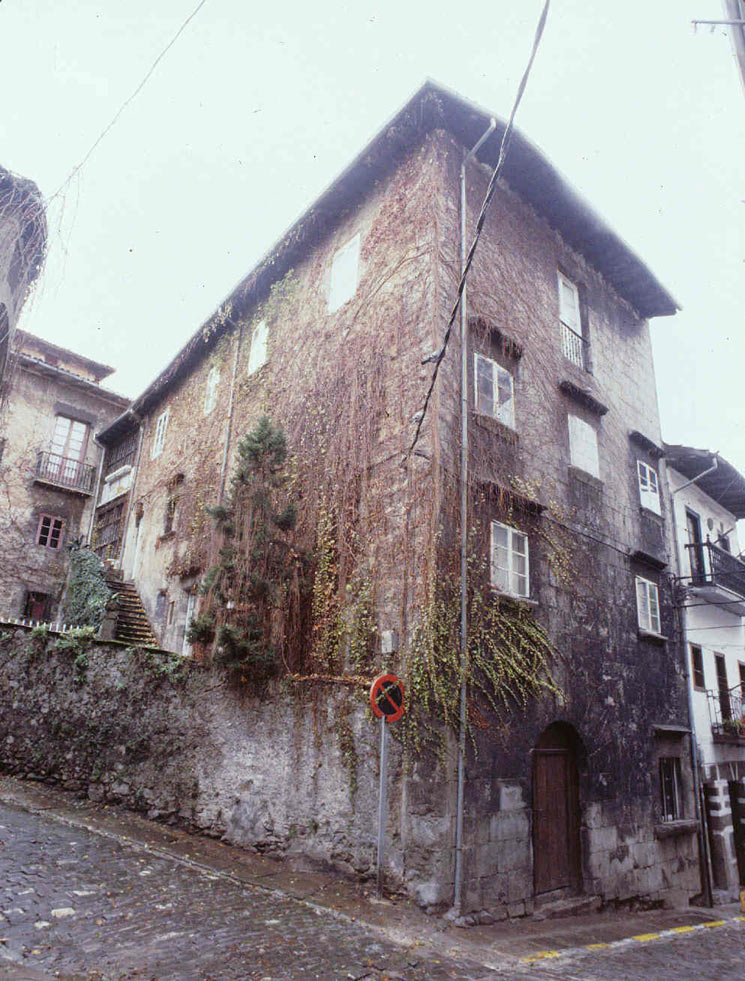
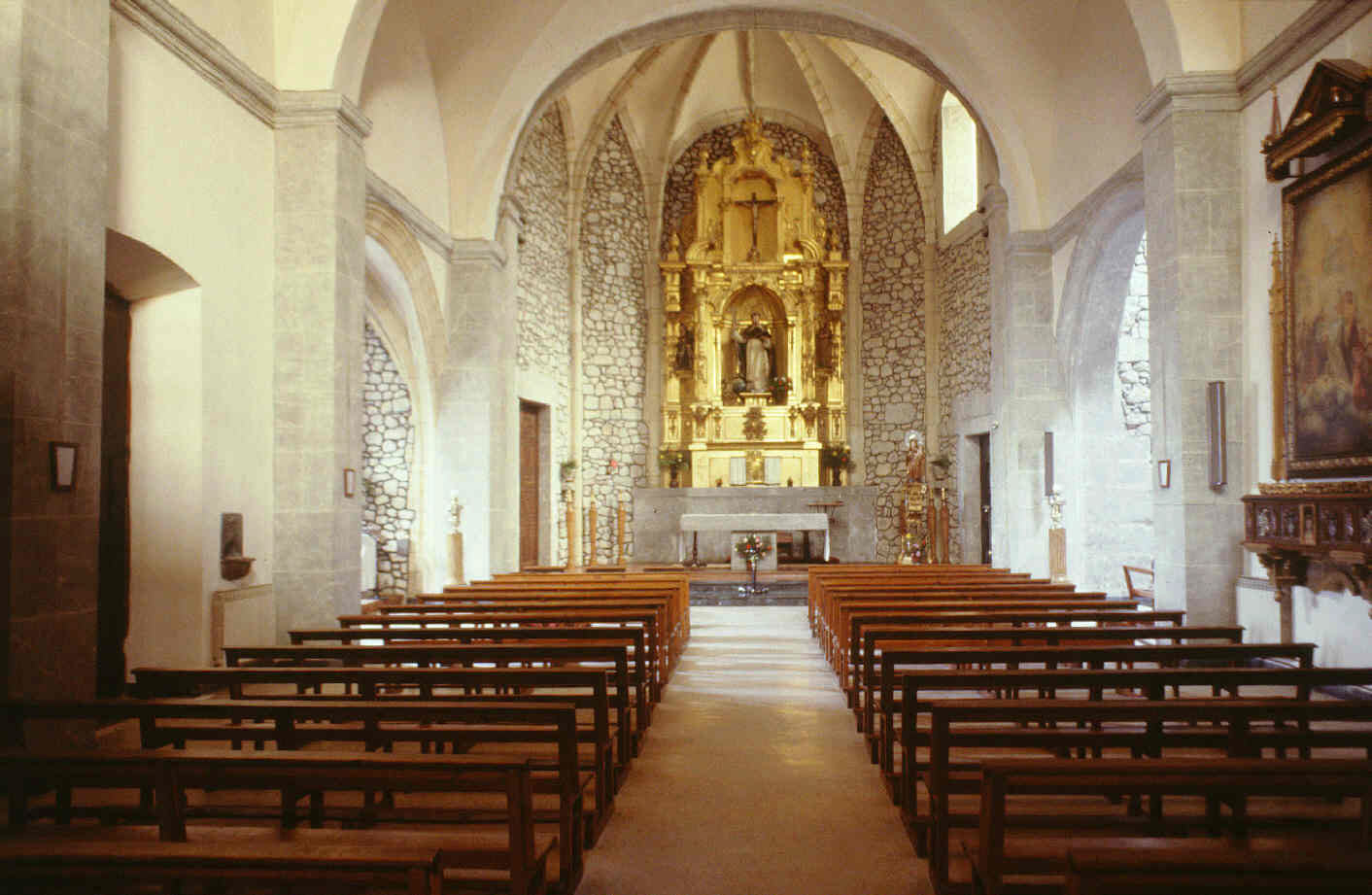
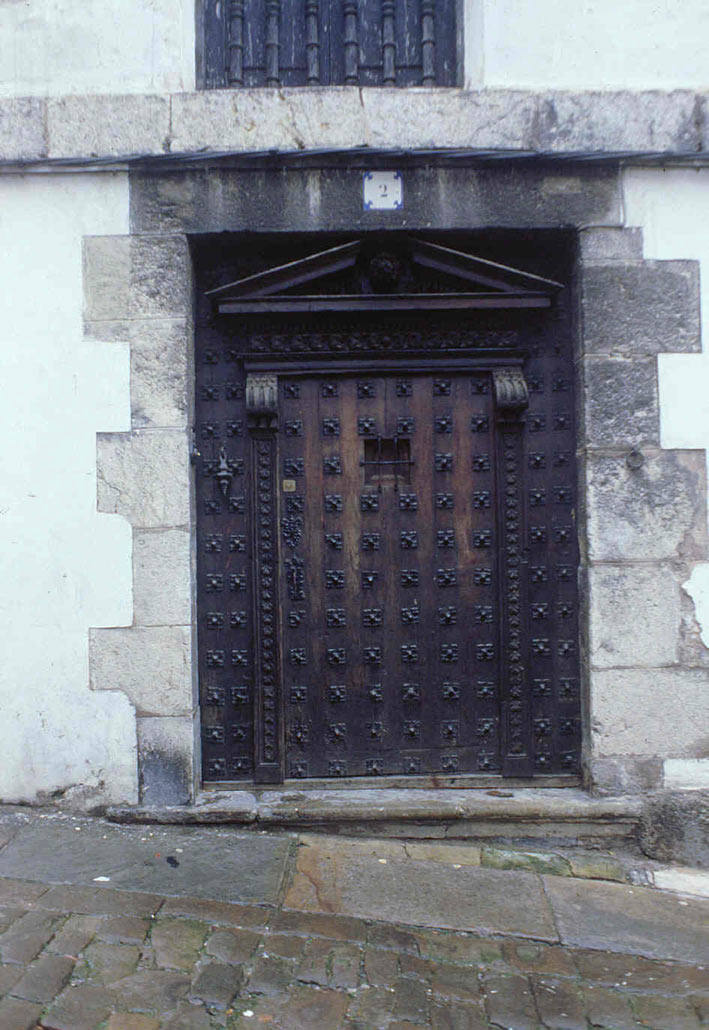
convent of the Dominicas and some town houses such as those of Dendarikalea and Beaskokalea. Neo-classicism is expressed mainly in the
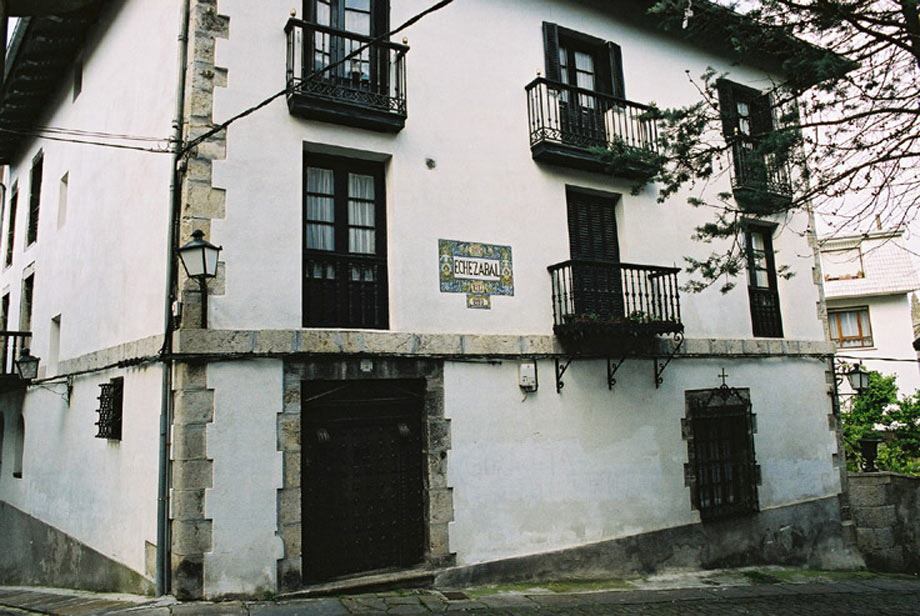
House of Etxezabal del Campillo.
There are two differentiated areas, one being that related with the Calle Real, site of the church and the palaces of the lords of Bizkaia, and the other offering the usual characteristics existing in nearly all mediaeval towns: parallel streets united by two roads at the far ends that may have acted as ring roads.
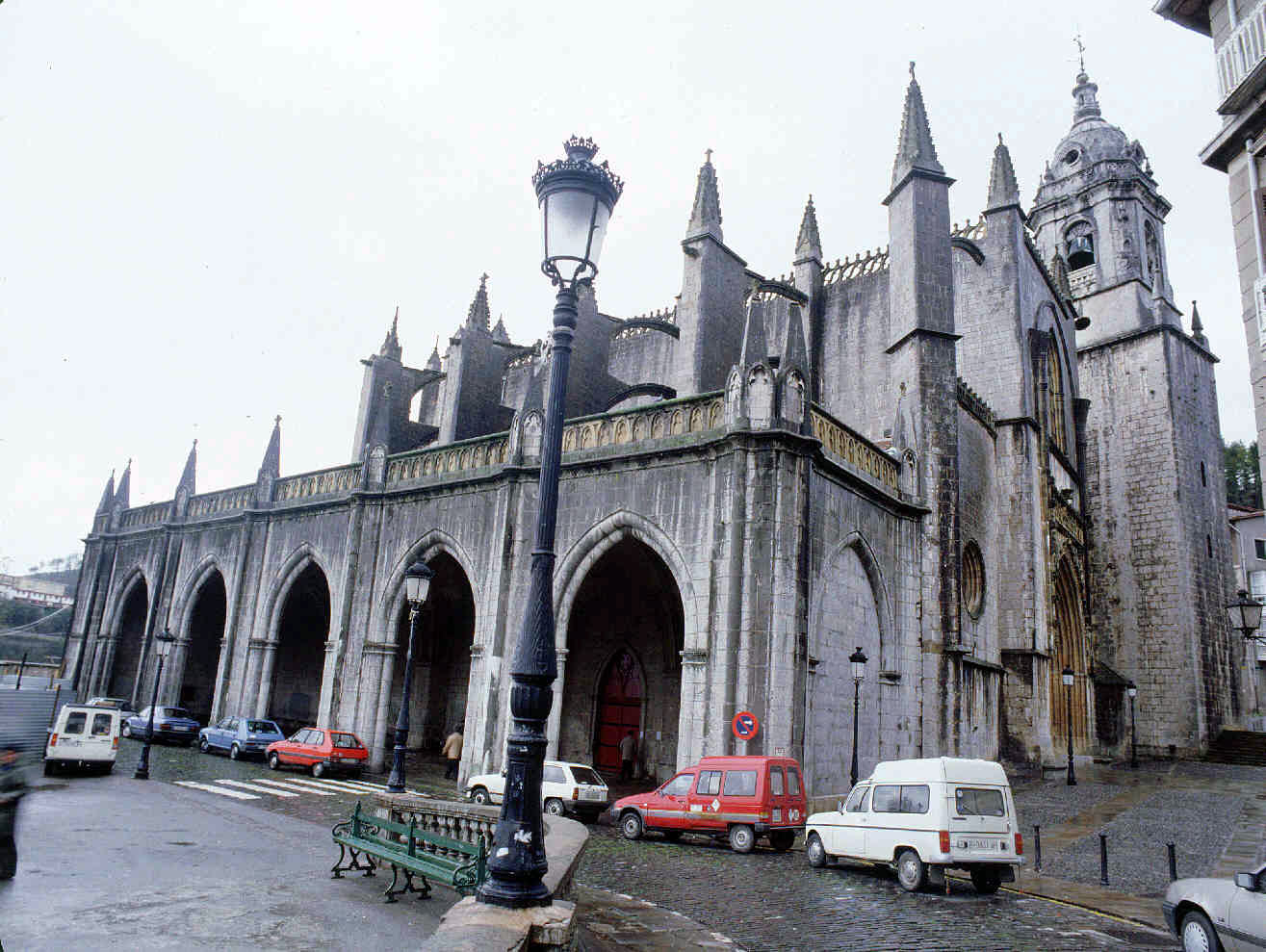
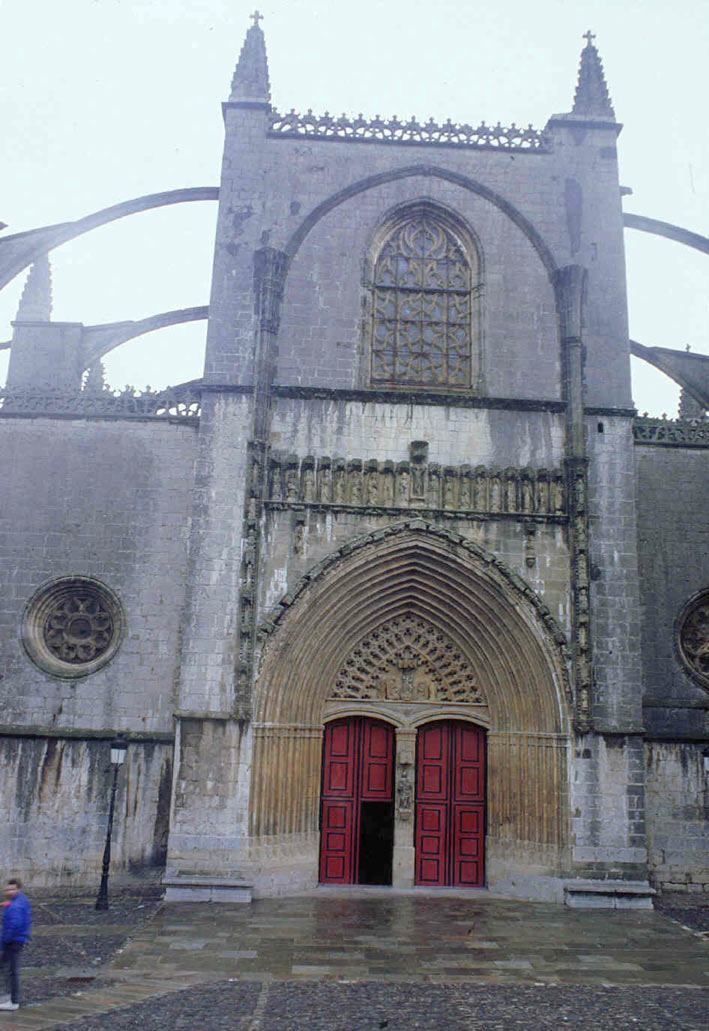
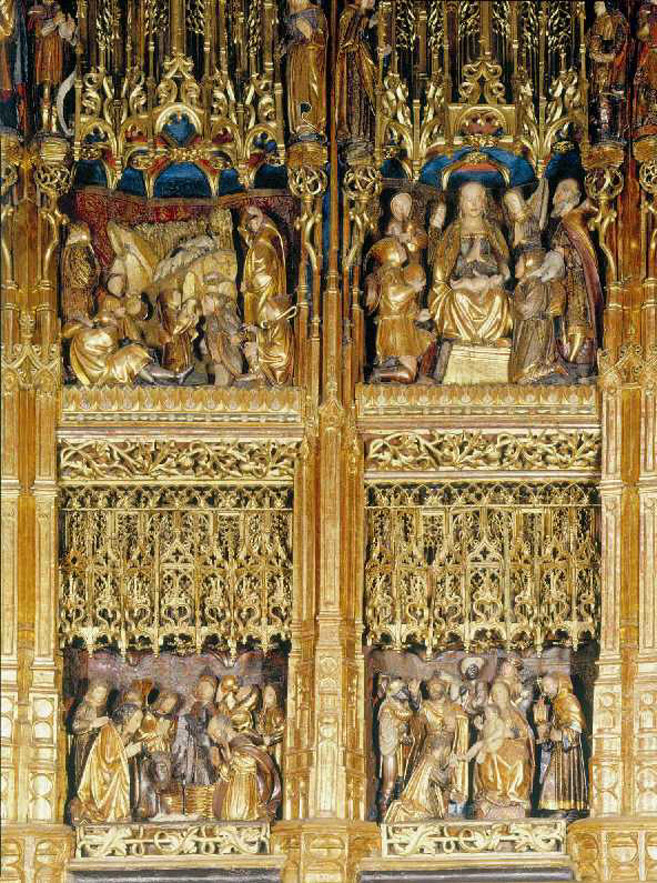
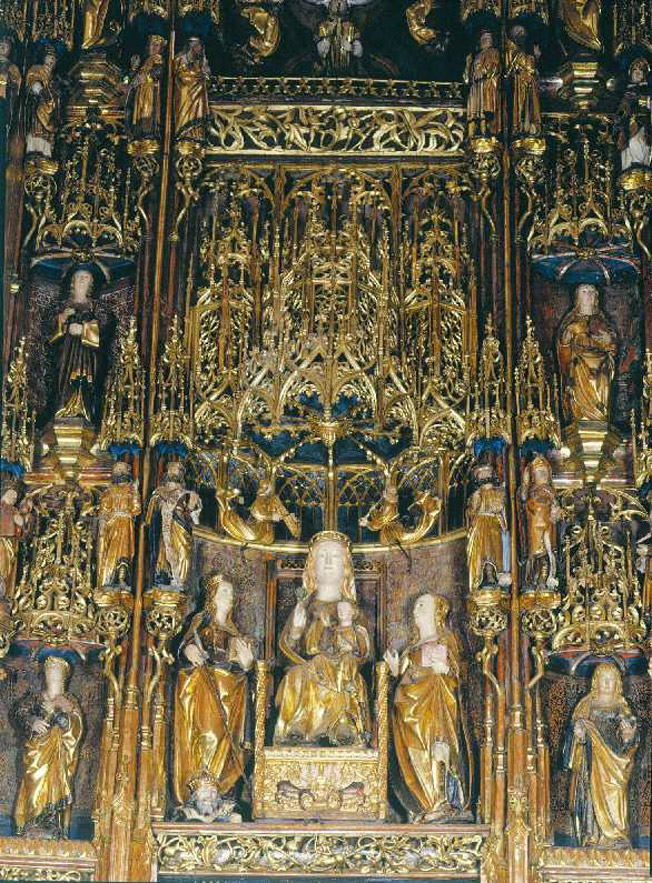
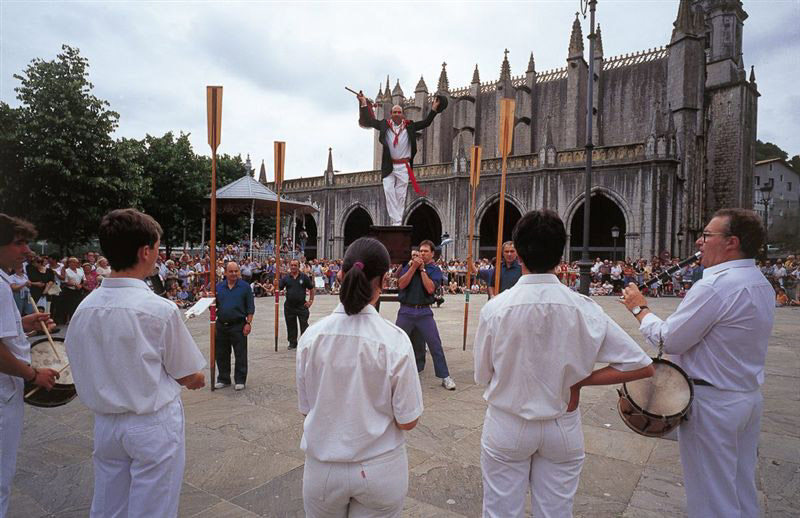
The origins of the church of Santa María de la Asunción in Lekeitio date back to the year 720. It was consecrated in the 13th century and rebuilt during the 16th century in late gothic style, with the exception of the portico and the tower. The altarpieces are true gothic and Flemish treasures. The main altarpiece is an outstanding example of Hispanic-Flemish style (1507-1513).