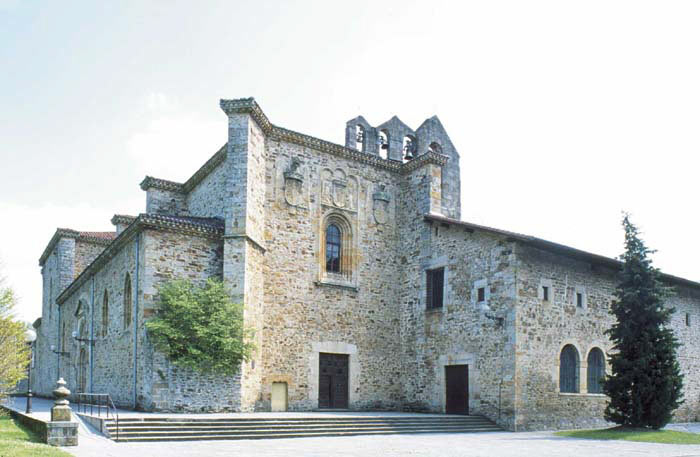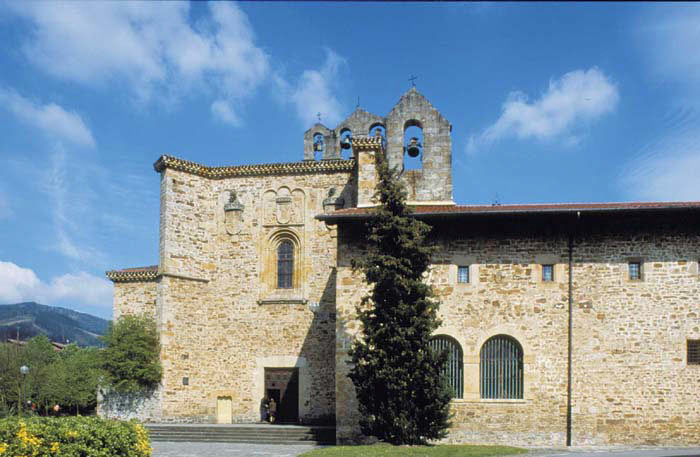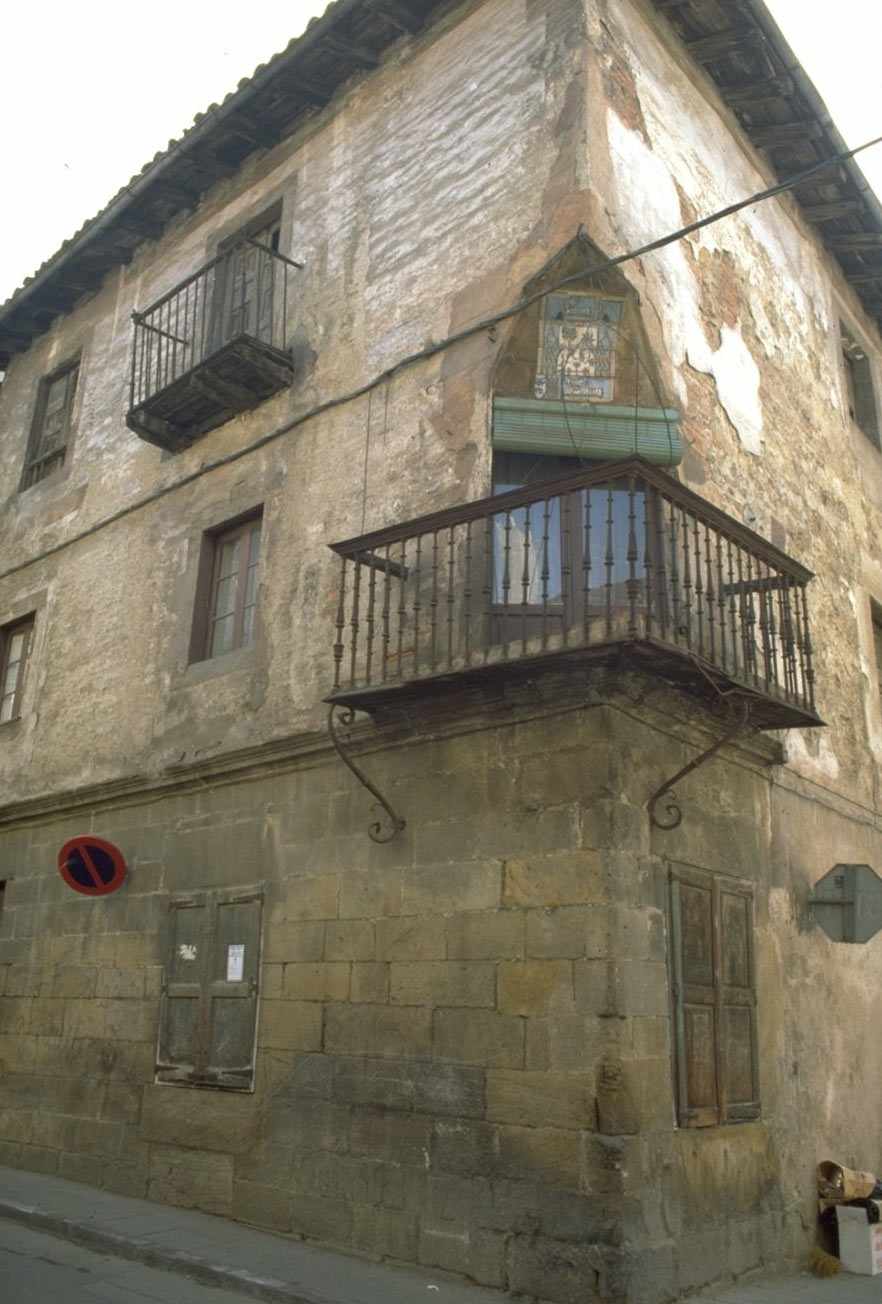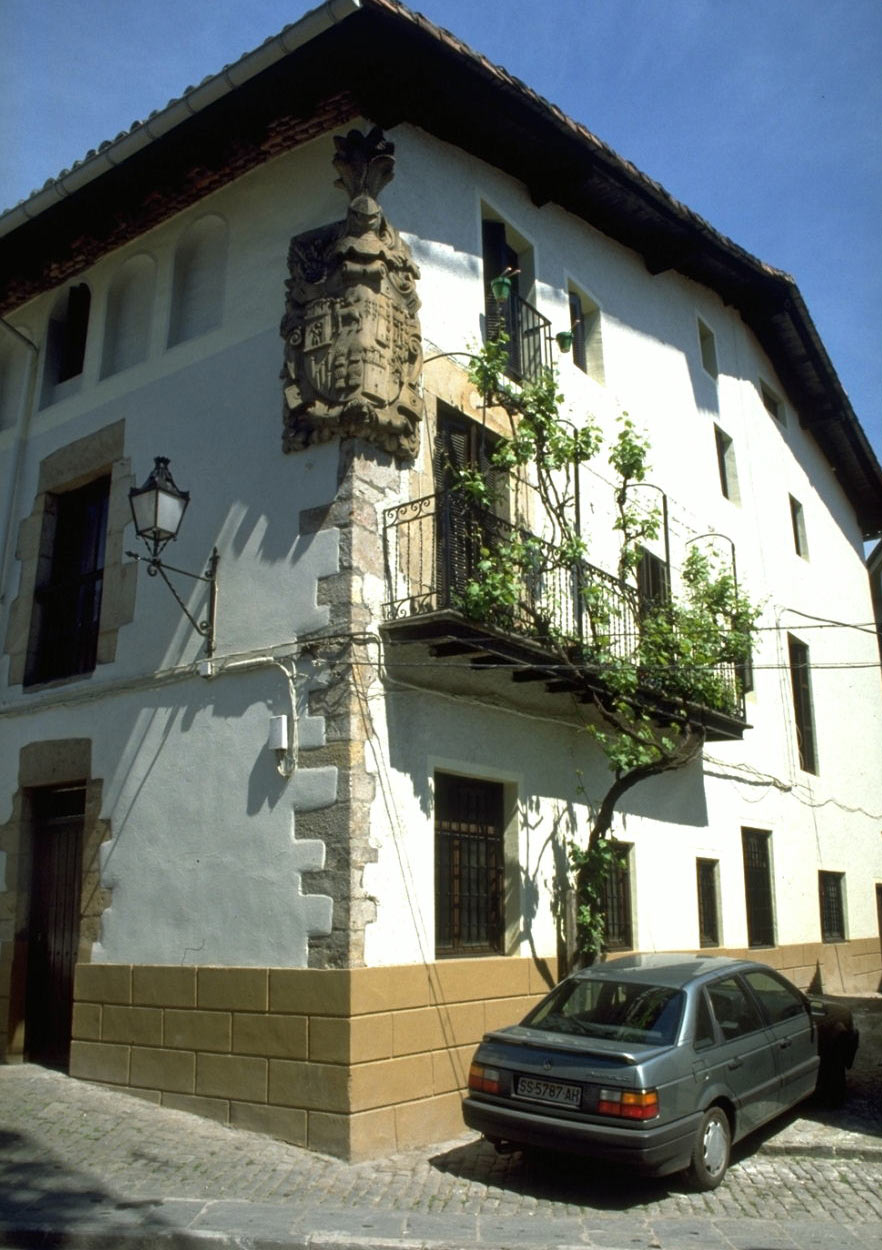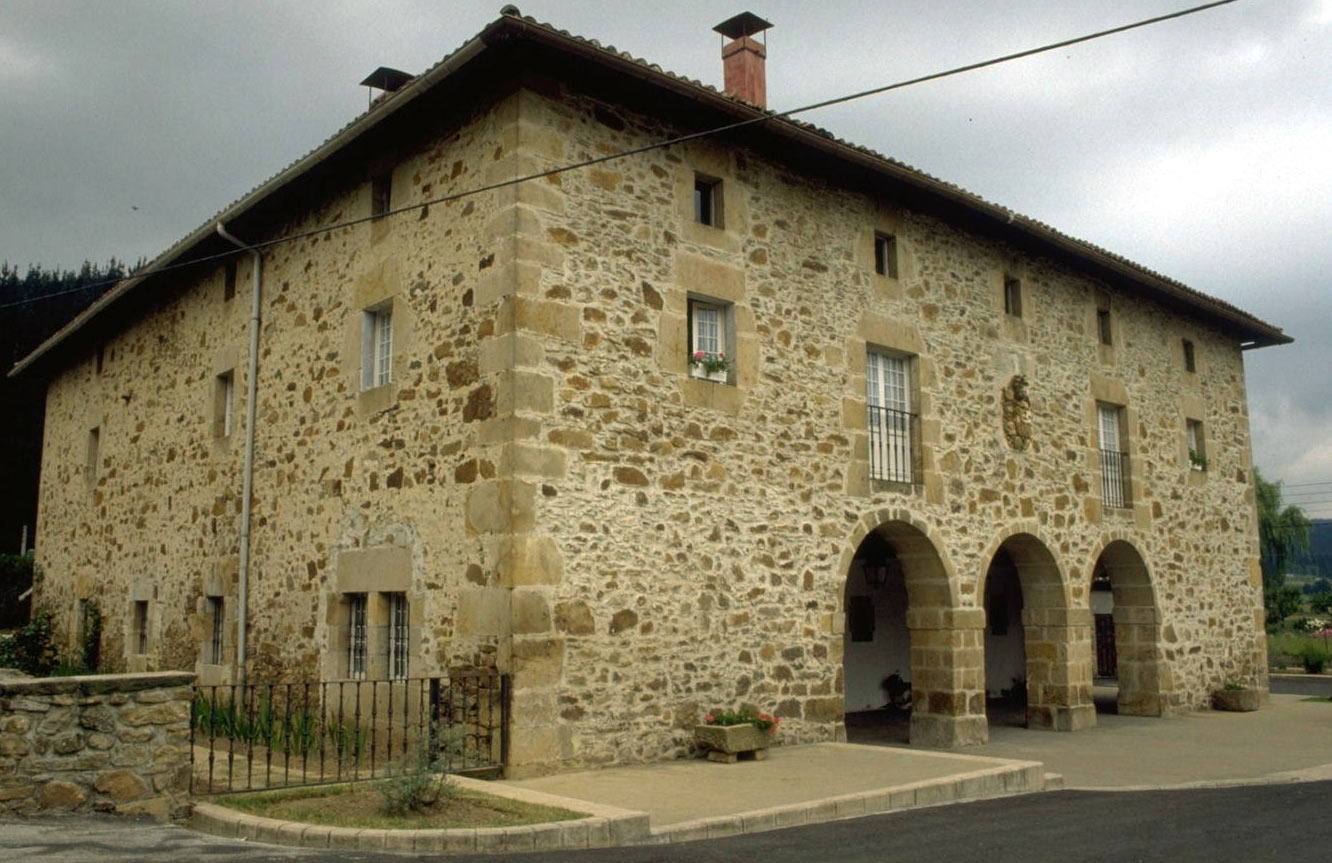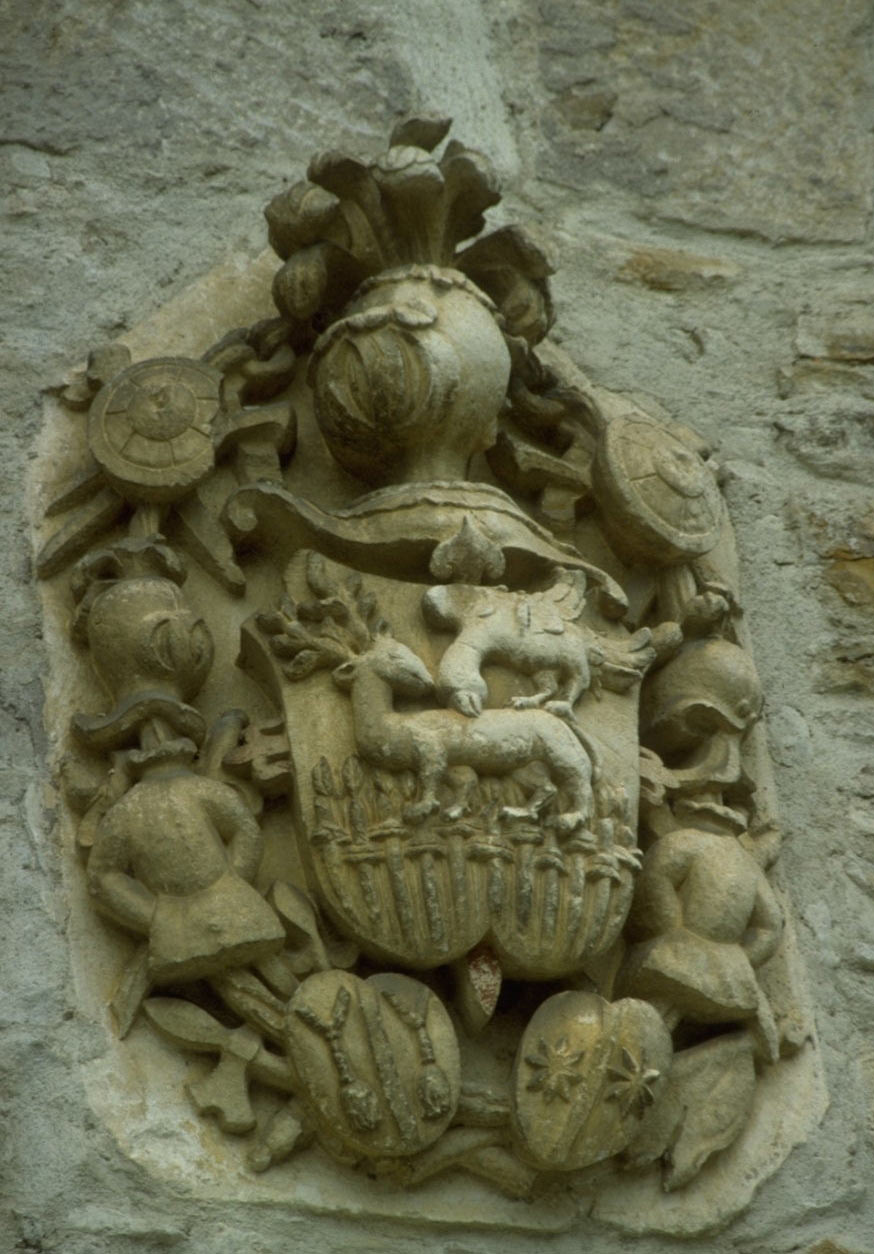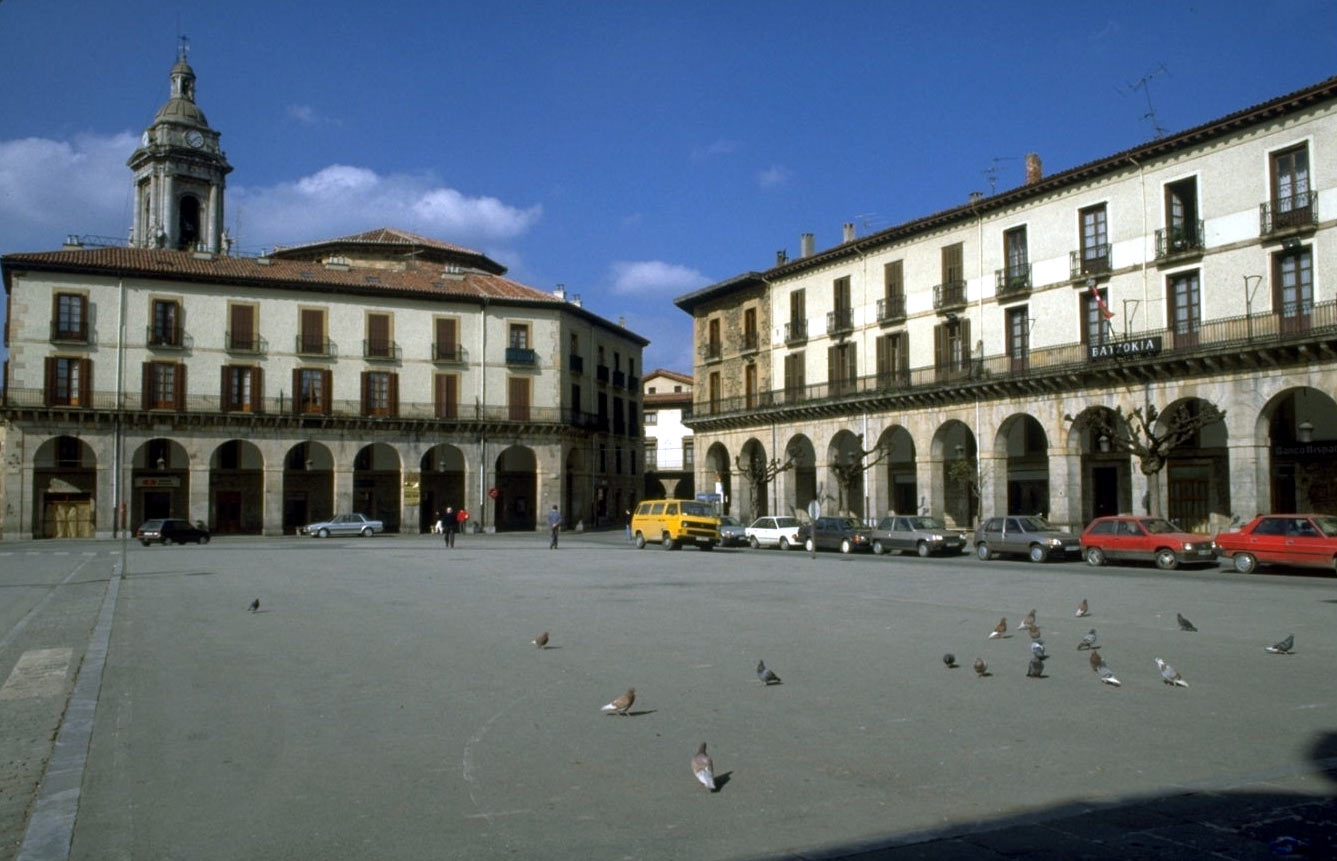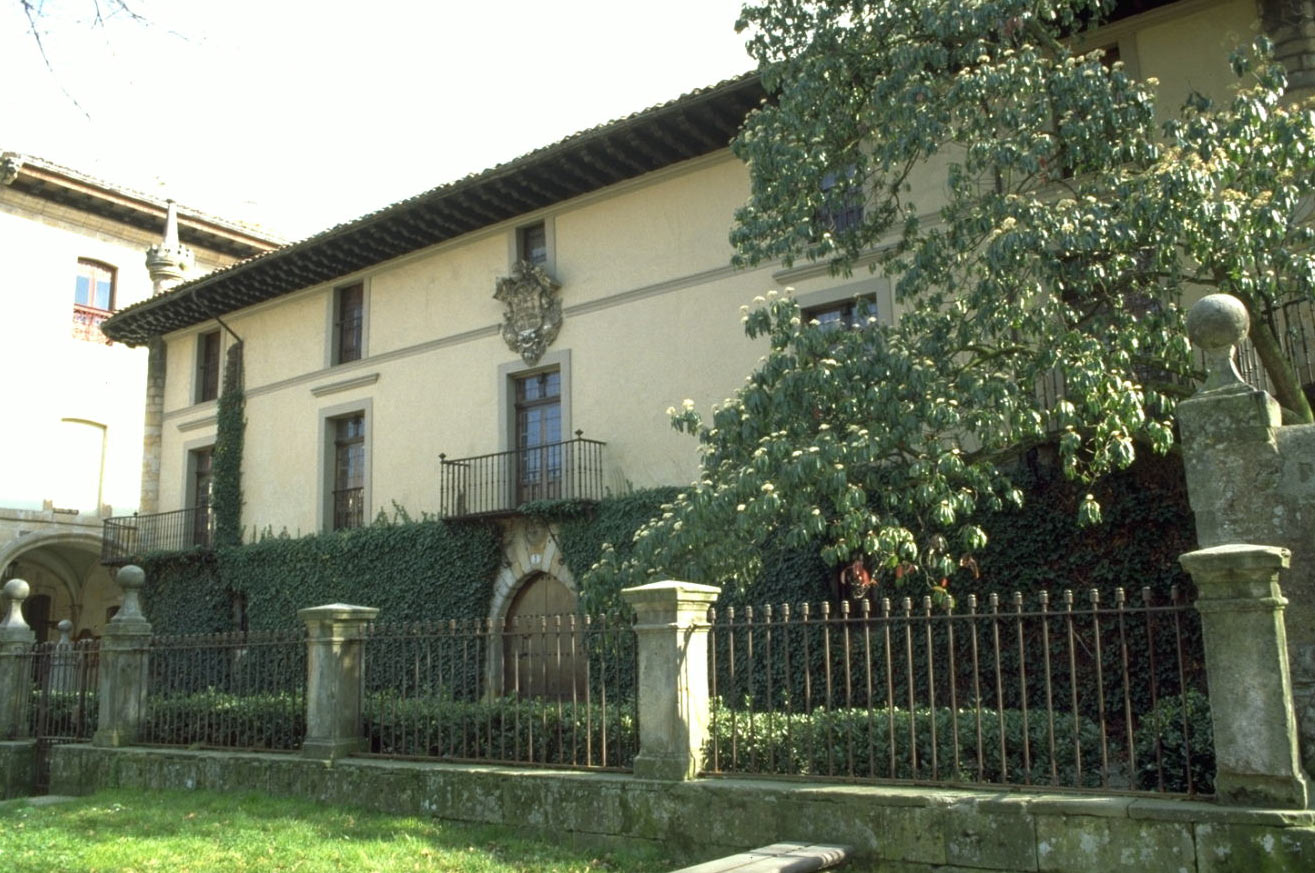
The first documented notice relating to Oñati is from 1149, when both Oñati and Gipuzkoa belonged to the kingdom of Navarra. This village acquired fame in the 18th century although in the 19th century the Lordships were suppressed by a new law and in 1845 the village became part of Gipuzkoa.
Oñati's artistic wealth is quite evident in many spheres, including sculpture.
The University, the
parish church and the
Convent of Bidaurreta host magnificent examples of Renaissance and baroque altarpiece work.
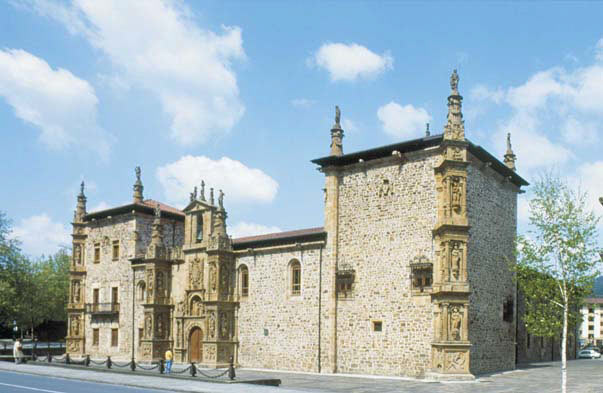
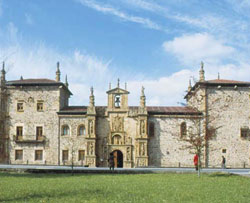
As regards architecture, one of the most emblematic and significant buildings is the University, founded in 1548 by Don Rodrigo Mercado de Zuazola, Bishop of Avila, Viceroy of Navarra and President of Granada. It is in Renaissance-plateresque style and undoubtedly represents one of the best examples of civil architecture from that era.
Like other universities of its time, the layout is rectangular, with an interior courtyard, galleries, a chapel and large rooms. The main façade has three sections, the central section and two cubes at each end rather like towers. The courtyard, in an admirable classic style, is decorated with Mudejar stuccoes and medallions. The chapel contains a splendid altarpiece, one of the most interesting from the Basque Early Renaissance, dedicated to San Miguel and the Holy Spirit, after whom the building is named.
This altarpiece is outstanding due to its decoration and rich original polychrome, in addition to the quality of its sculpture, attributed to Pierres Picart, one of the best sculptors in that era in the Basque Country, and his school.
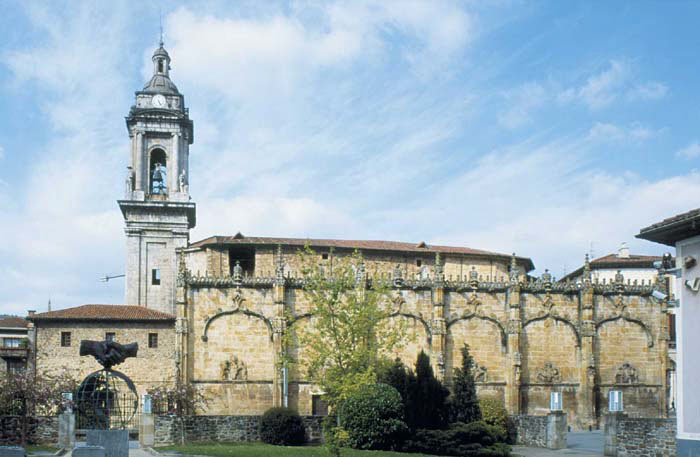
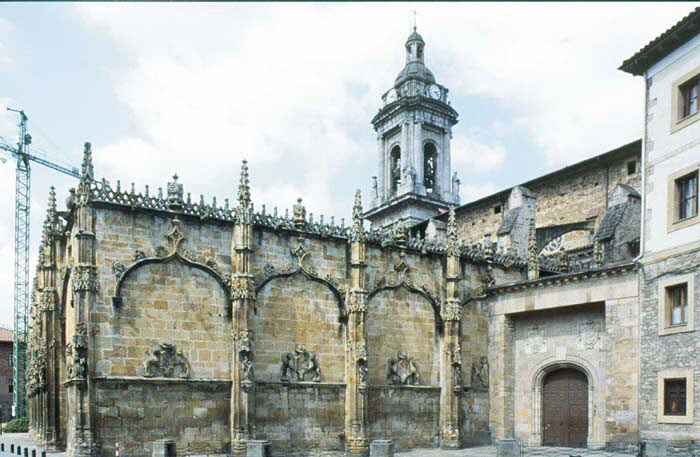
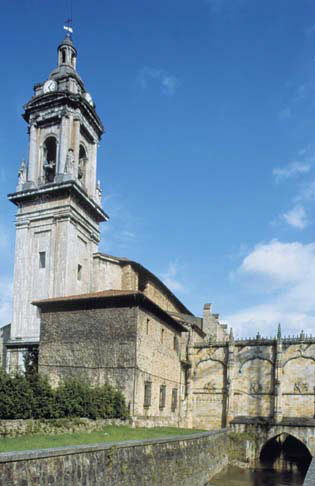
The church of San Miguel is a genuine museum of Basque gothic style, built using stonework and masonry. It was built in the mid 15th century, and has four wide naves with solid columns and is covered with simple rib vaults. The main altarpiece, in Churriguera style, from the 18th century, is outstanding in terms of its architectural design, its composition and its size. It is one of the few that conserve their original furniture design.
The plateresque altarpiece of the La Piedad chapel in this church is notable for its size and its excellent artistic quality, providing a magnificent example of Basque altarpiece work in the Renaissance era. It is a narrative altarpiece with an architectural structure of a façade and panelling with a pew, three sections and an attic. It is made up of five rows, finished off with a large triangular gable. The altarpiece carving is extraordinarily vivid in its expression with Berruguetian influences. The polychrome is contemporary, of the type known as Roman, with the textured rickety nature of the figures standing out. The iconography includes representations of the Marian cycle, the Passion, San Roque and San Sebastián, former patron saints of Oñati, with the la Piedad scene in the central row being outstandingly delicate.