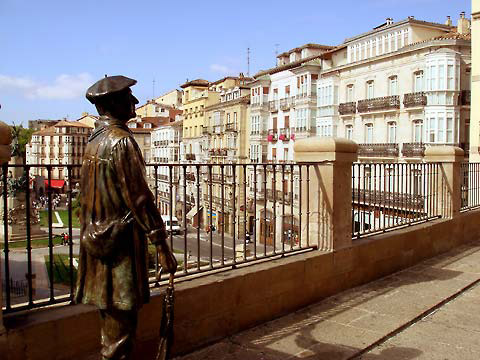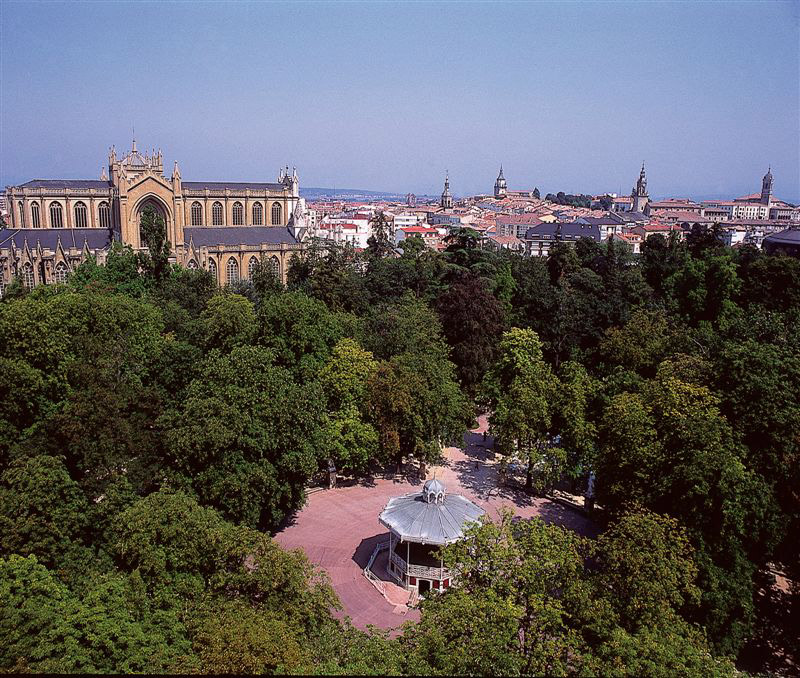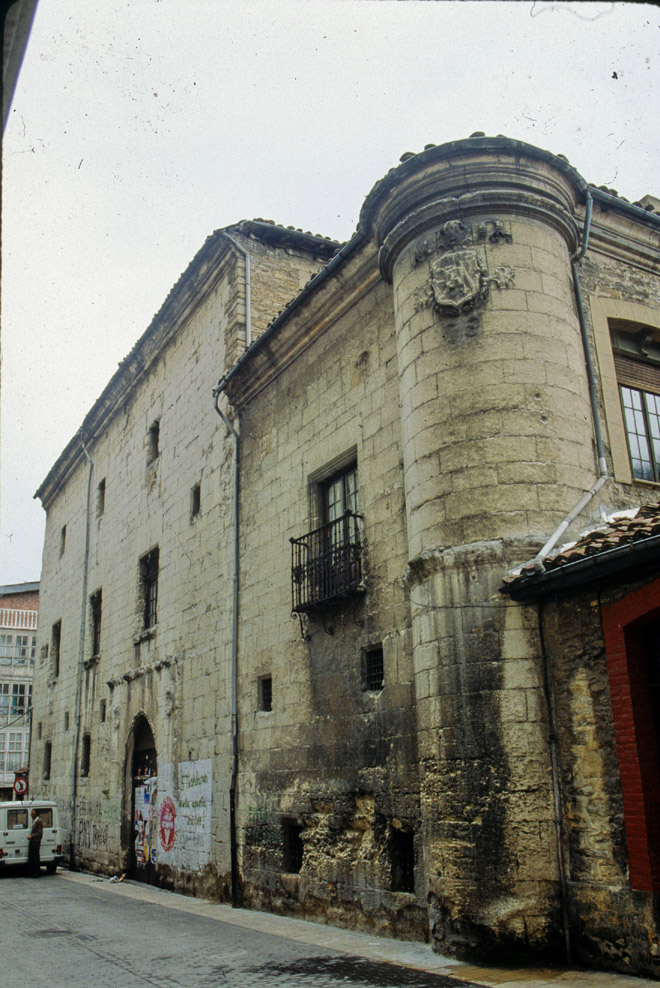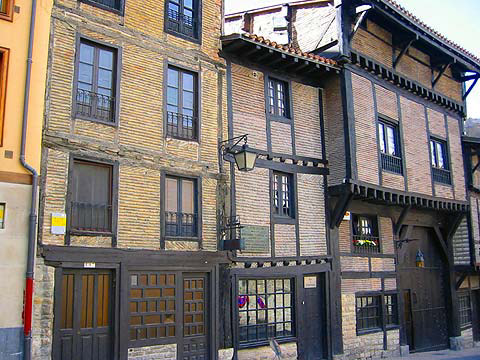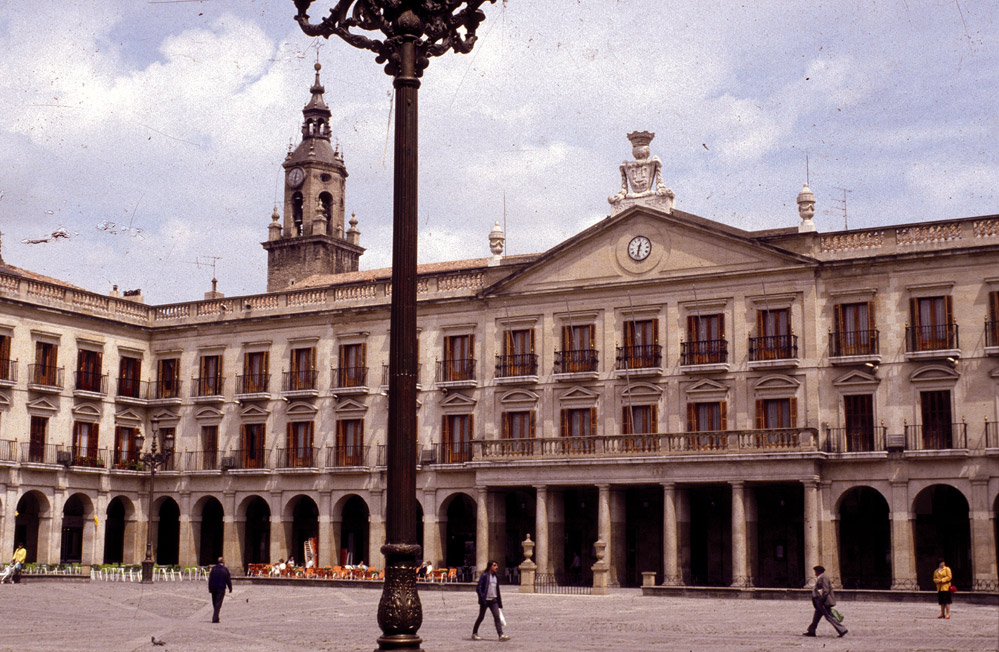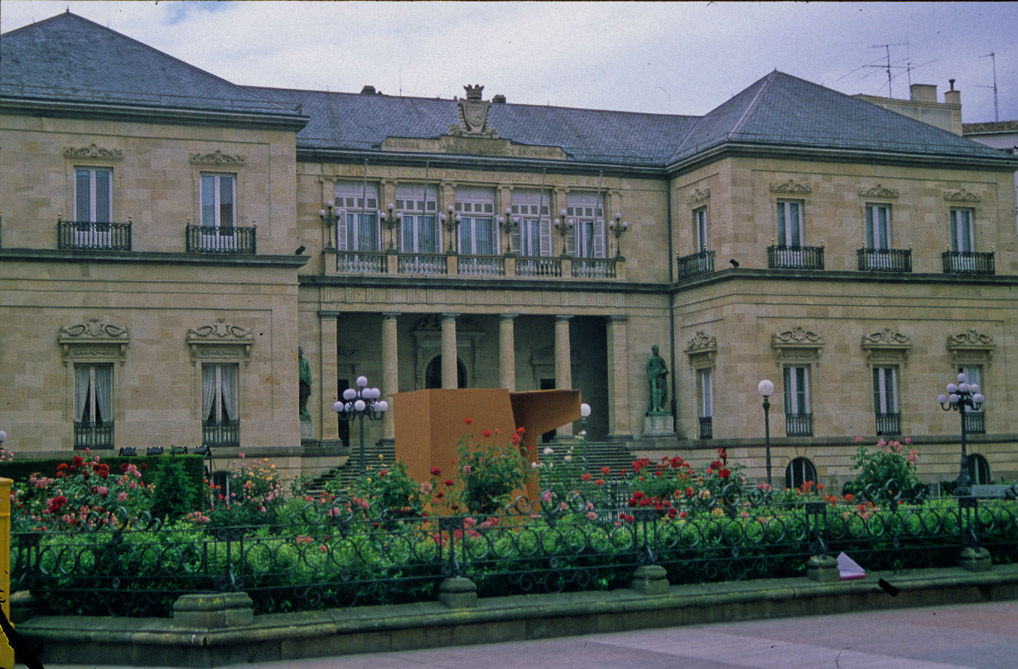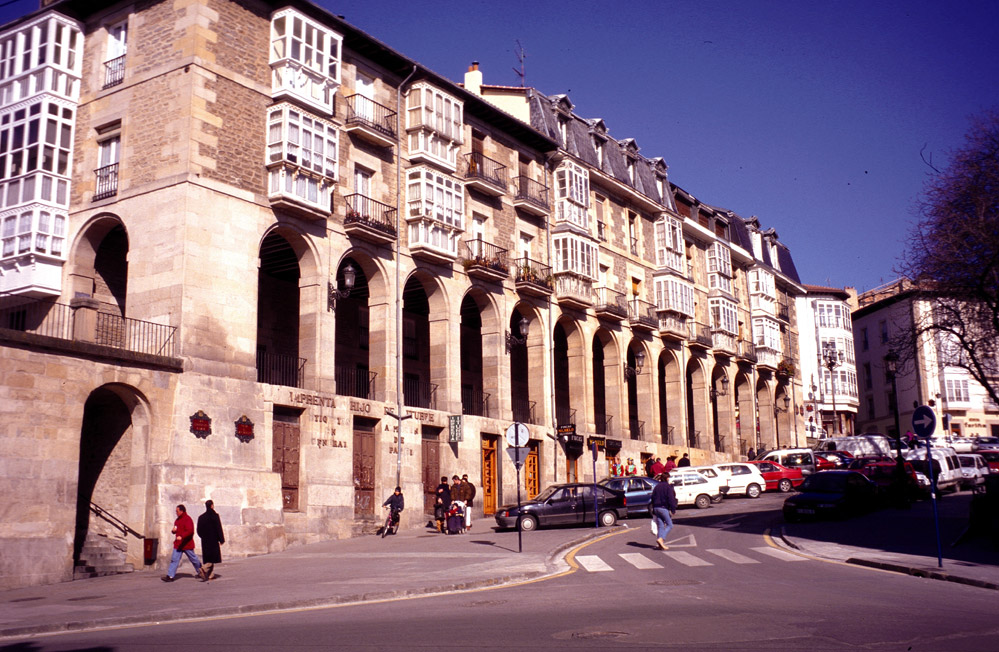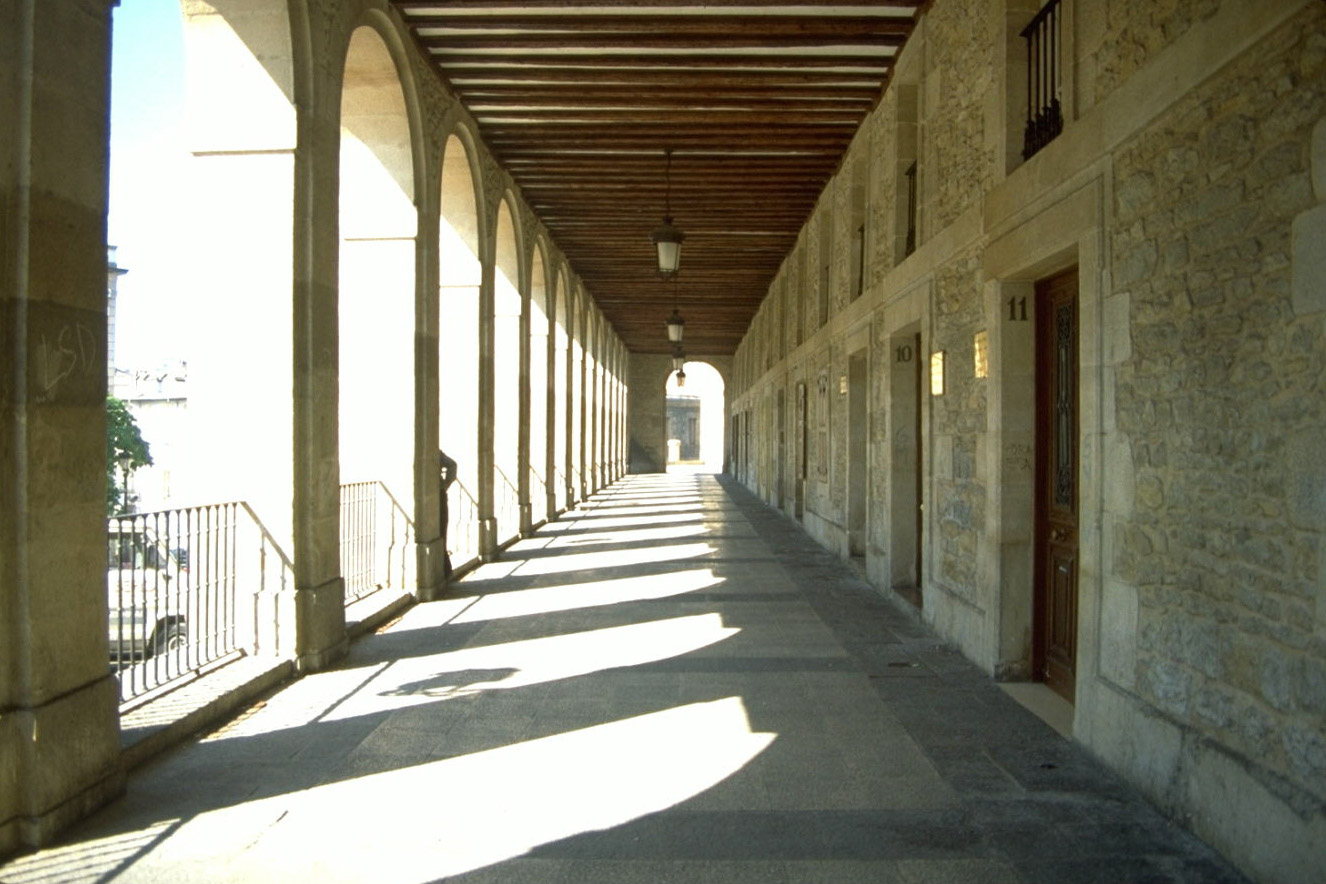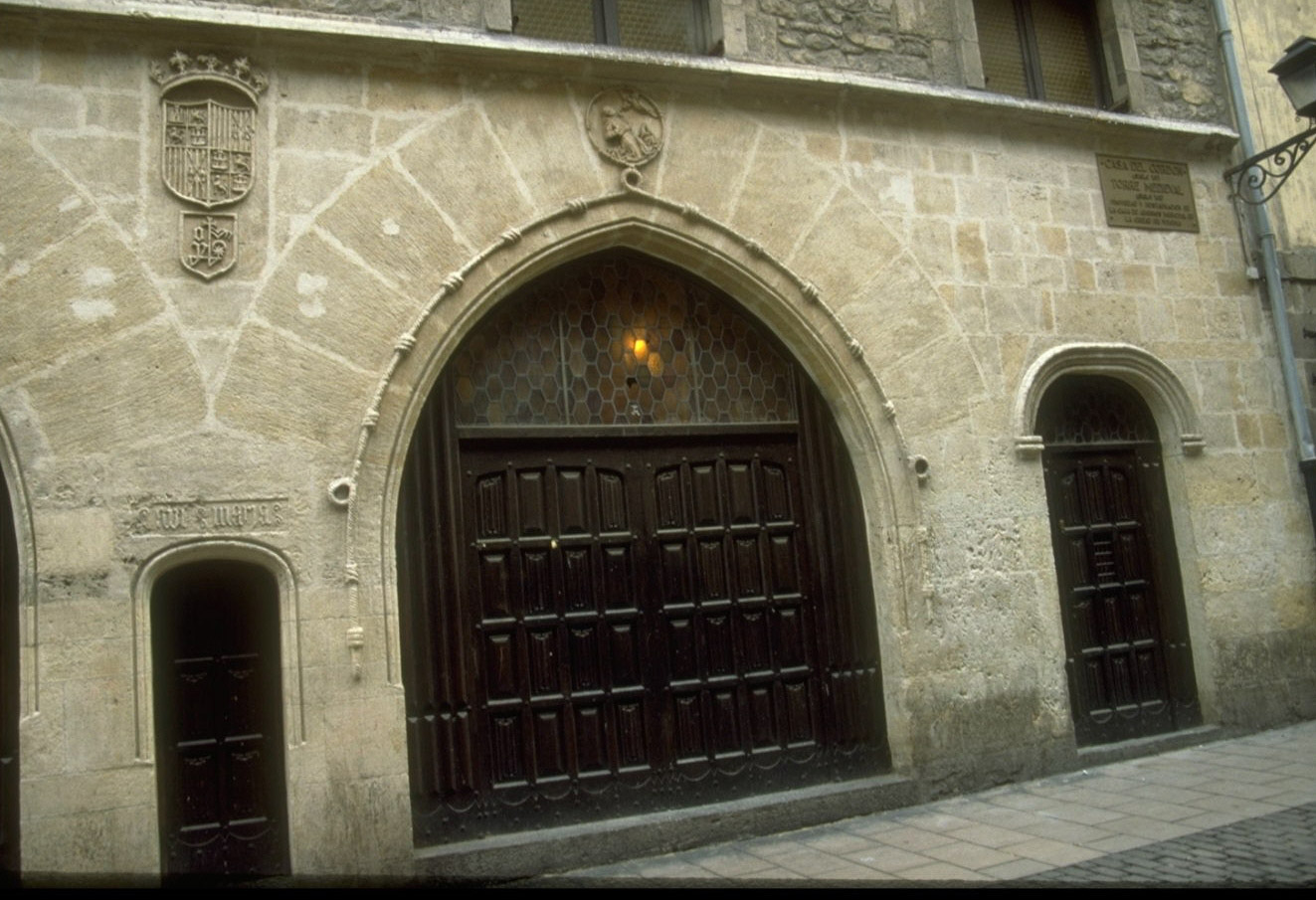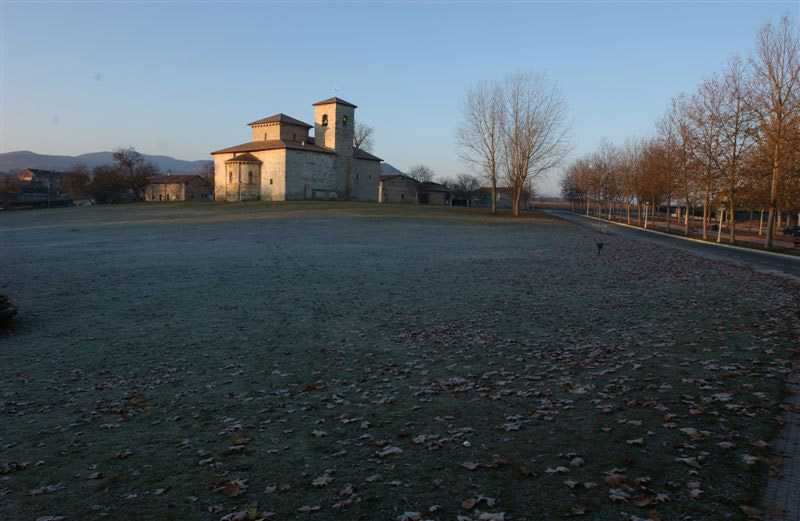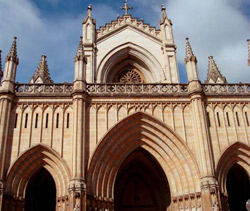
The Town of Vitoria was founded in 1181 by the King Sancho el Sabio of Navarra and constitutes an example of mediaeval town-planning, in other words, narrow streets, gothic plot divisions and typical tall, narrow houses (known locally as "saddlebag" houses). Given its excellent strategic situation, the King ordered the building of two castles, fortified churches, and high and robust walls around the town as defence.
Vitoria, perched on a hill at the centre of the Llanada plain soon became a centre of great commercial interest and a key point in communications between Spanish inland areas and the borders with Navarra and France. In the old quarter it is easy to make out the original mediaeval design and the 18th century neo-classical extension. The mediaeval town conserves traces of its original layout. In the 18th century, due to the growth caused by the boom in commerce, two extensions were built on each side of the hill, with an area of streets relating to different trades (Zapatería-Cobblers, Herrería- Blacksmiths, Cuchillería- Cutlers, Pintorería- Painters, Judería- Jewish Quarter) around the fort of Sancho el Sabio, known as
Villa Suso.
The plot division and construction typology have undergone considerable transformation, especially in the higher area -Villasuso. This area contains buildings of great historical and artistic significance such as, for example, the
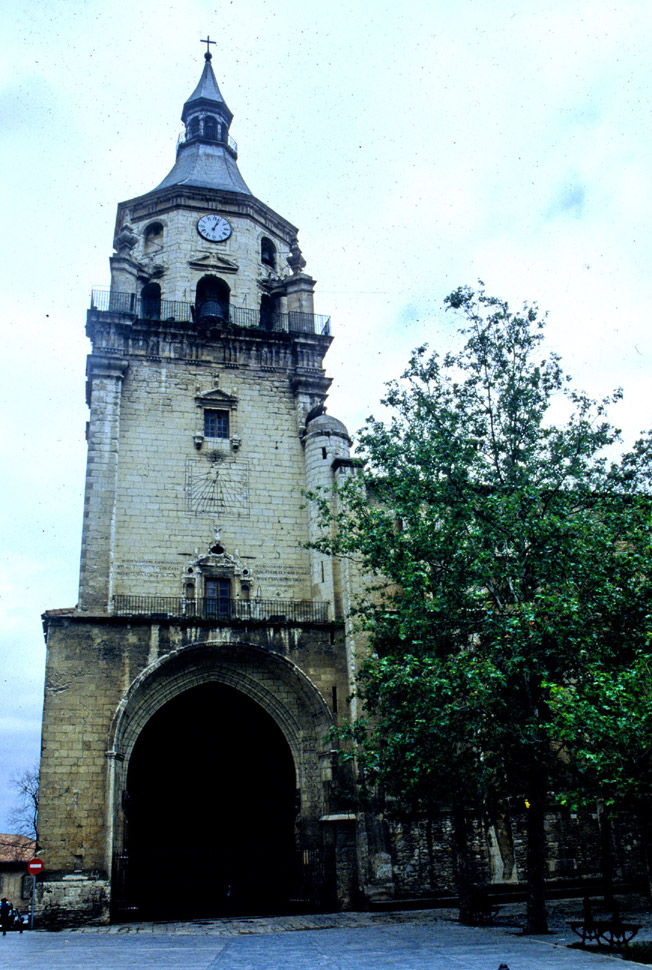
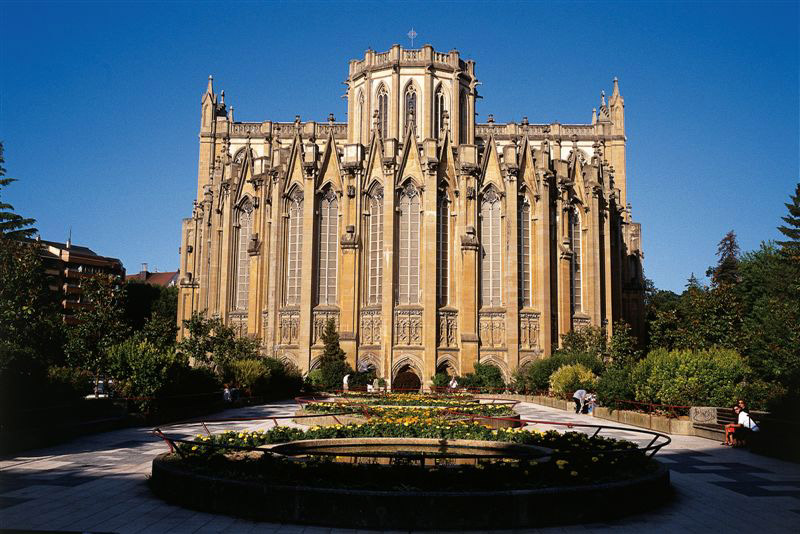
Cathedral of Santa María, built between the 12th and 14th centuries on old fortified remains; the
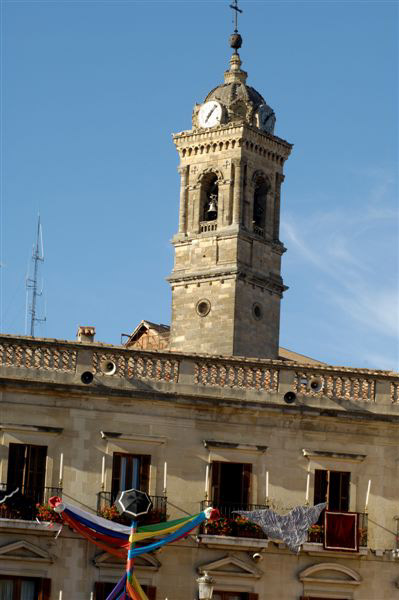
Church of San Vicente, in the south, on an old part of the wall; the
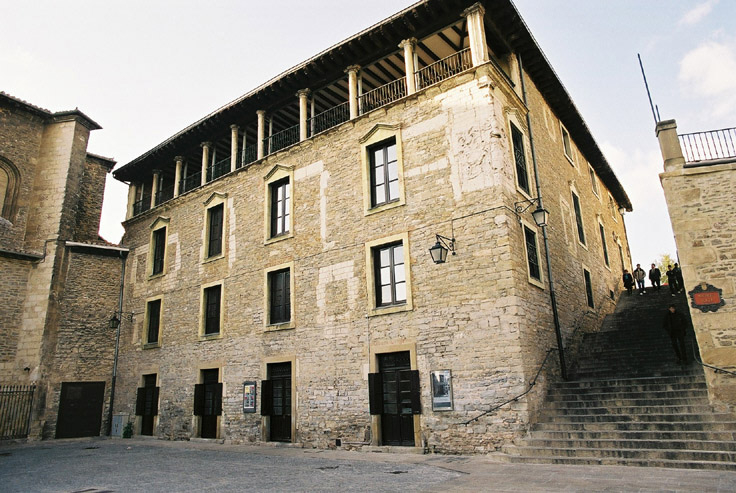
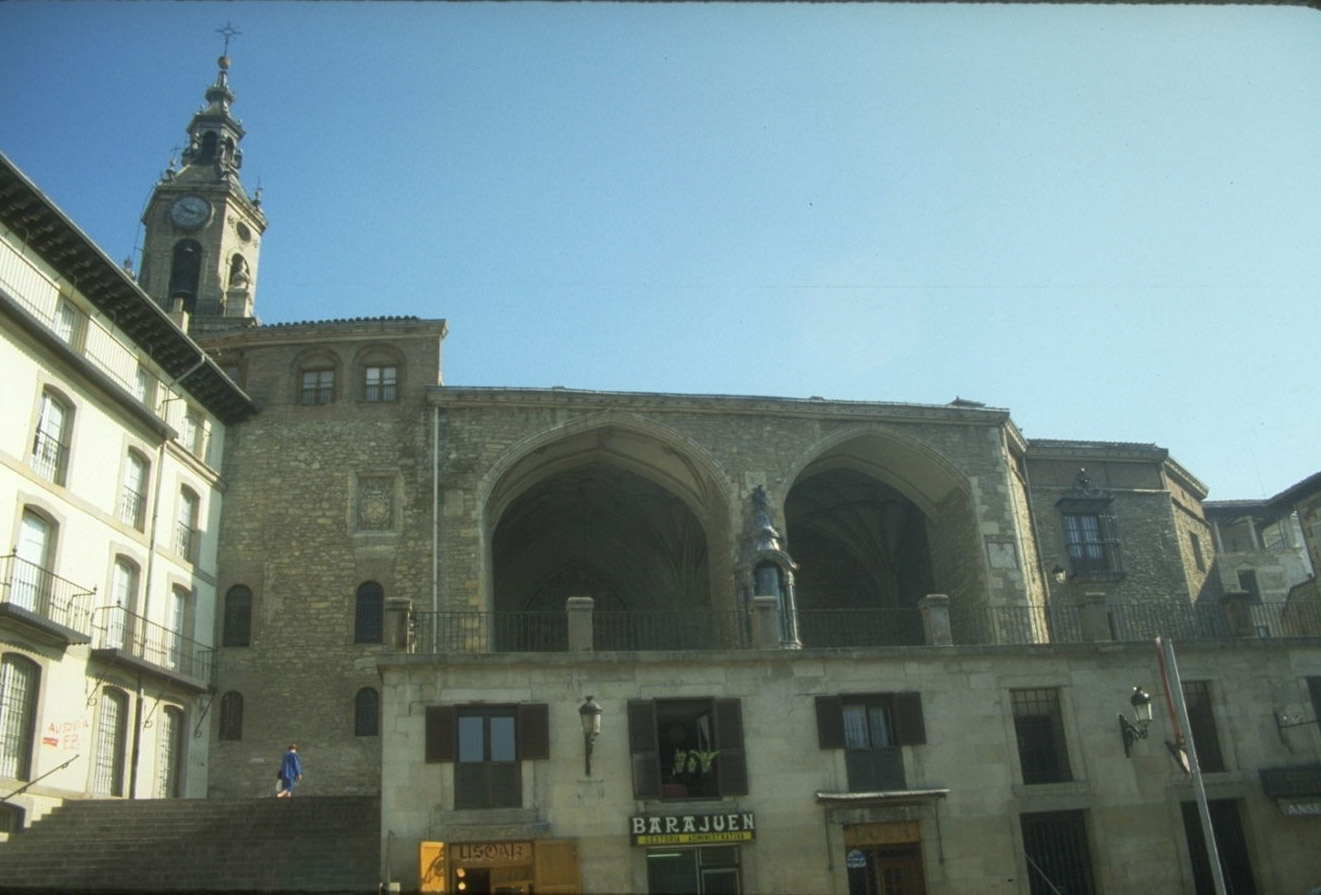
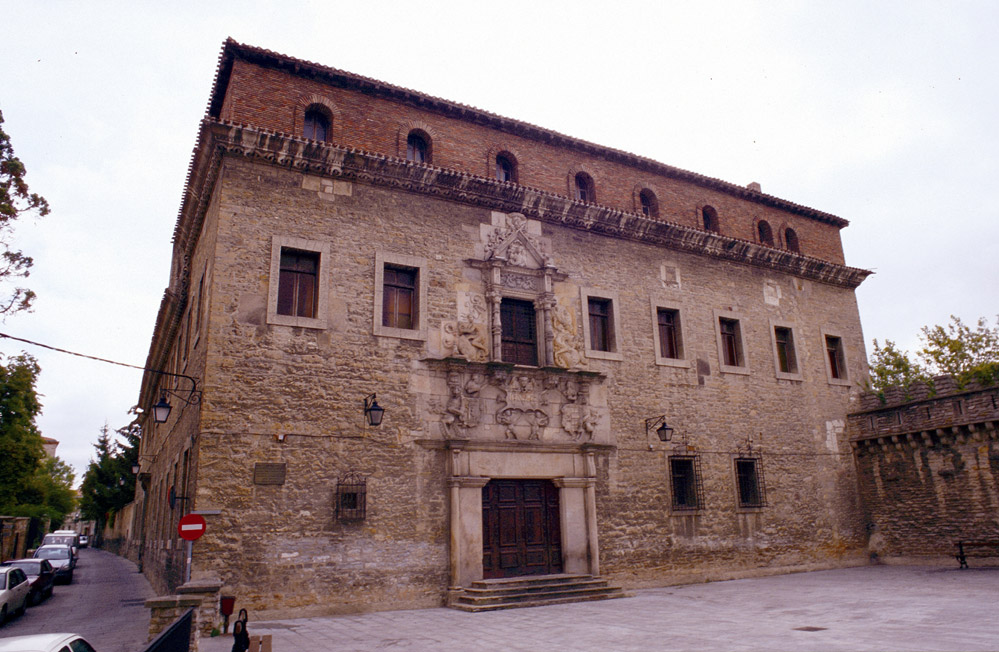
Church of San Miguel, built from the 14th century onwards on a site formerly occupied by a Jewish hermitage; the Renaissance style palaces of Montehermoso,
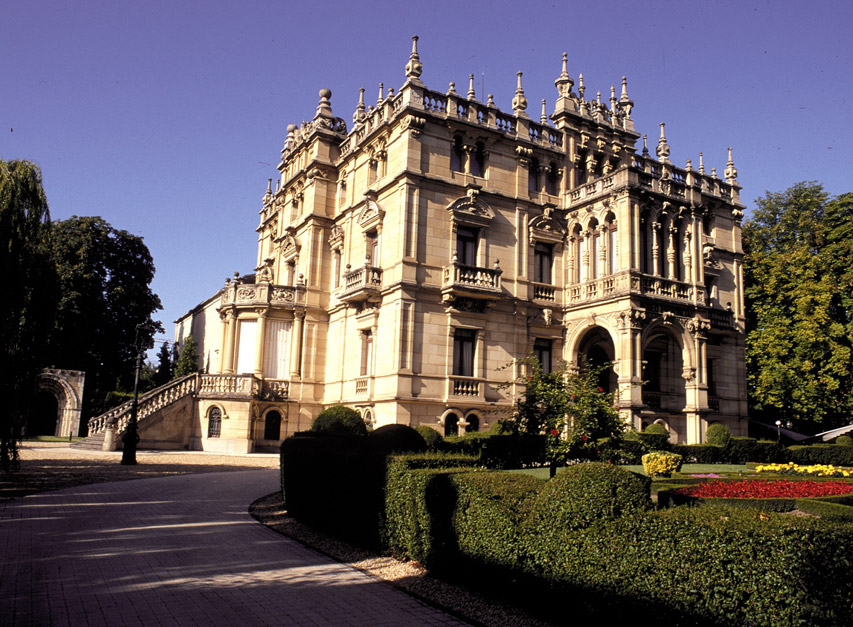
Escoriaza-Esquibel and Villasuso, the ancient González Chavarri Palace and the House of Etxanobe.