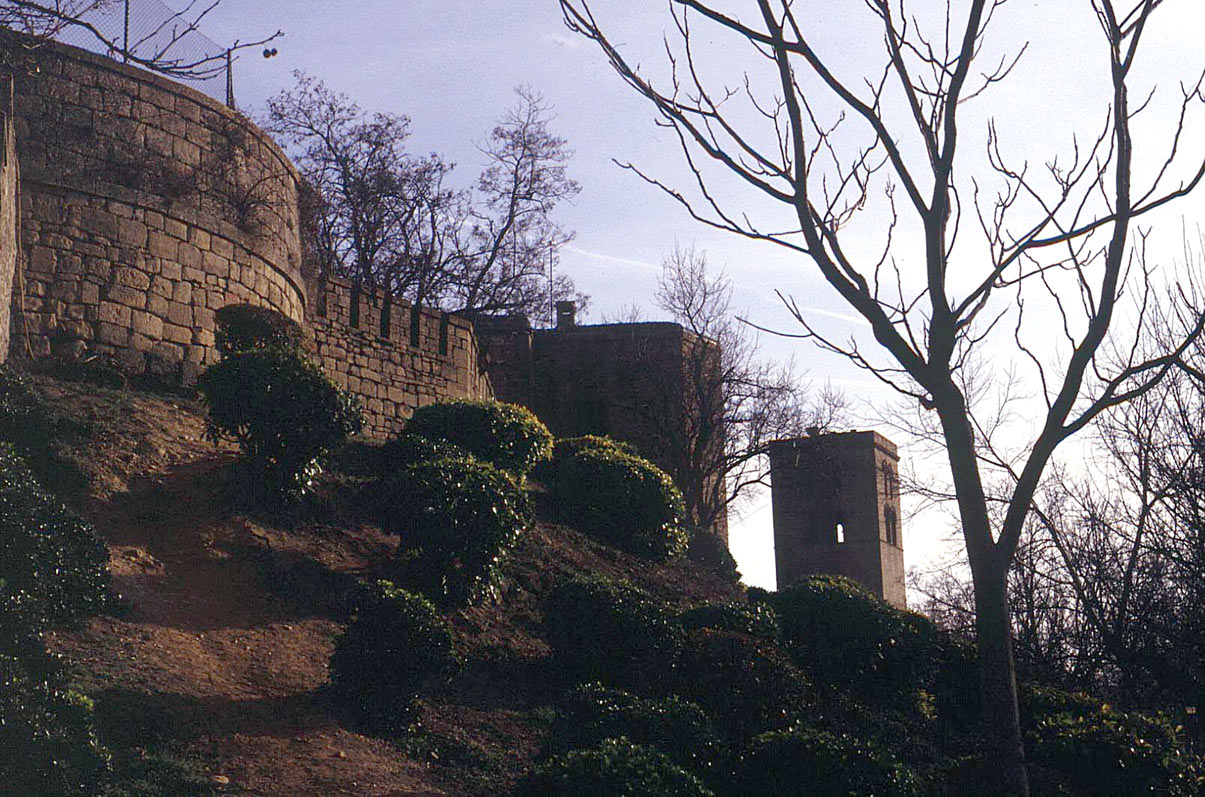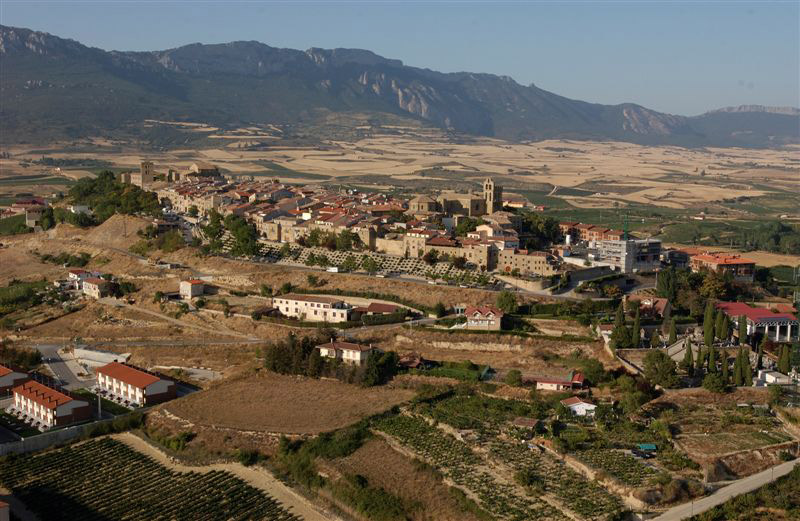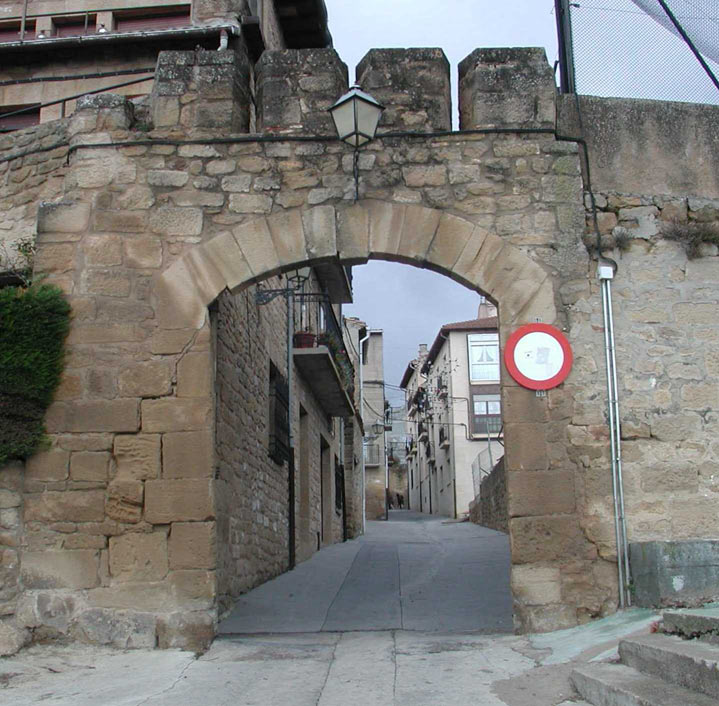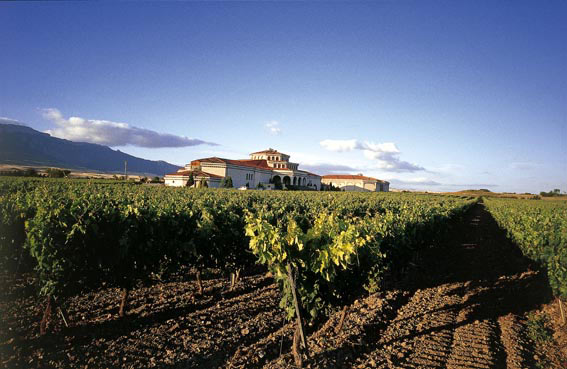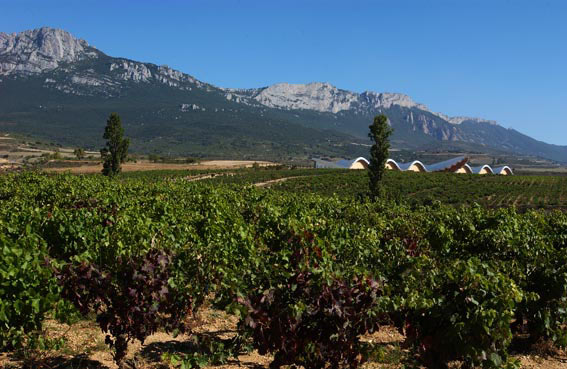
Historically, Laguardia has been one of the most important centres in the Rioja Alavesa region. Perched on a high hill it has always had a marked military, defensive position. In addition, Laguardia, along with Vitoria, is one of the towns that best conserves its mediaeval design and layout. It is formed by four parallel streets with two fortified churches at each end that reinforced the wall defending the two opposite entrances to the town.
Laguardia is a mediaeval fortified town whose origins lie in the border wars between the kingdoms of Castile and Navarra. Its wall was built by King Sancho el Fuerte of Navarra (12th to 13th centuries) and the town had a walled castle in the northern area that was demolished in the 19th century.
The wall has been rebuilt on several occasions, the oldest remains being the towers and the "eastern zone", rebuilt in the 15th and 16th centuries. The rest of the wall underwent a number of alterations during the 18th and especially the 19th centuries.
The two churches, Santa María and
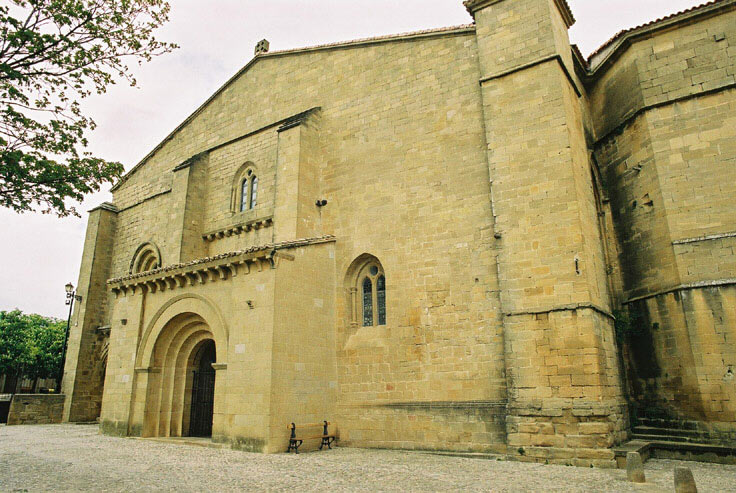
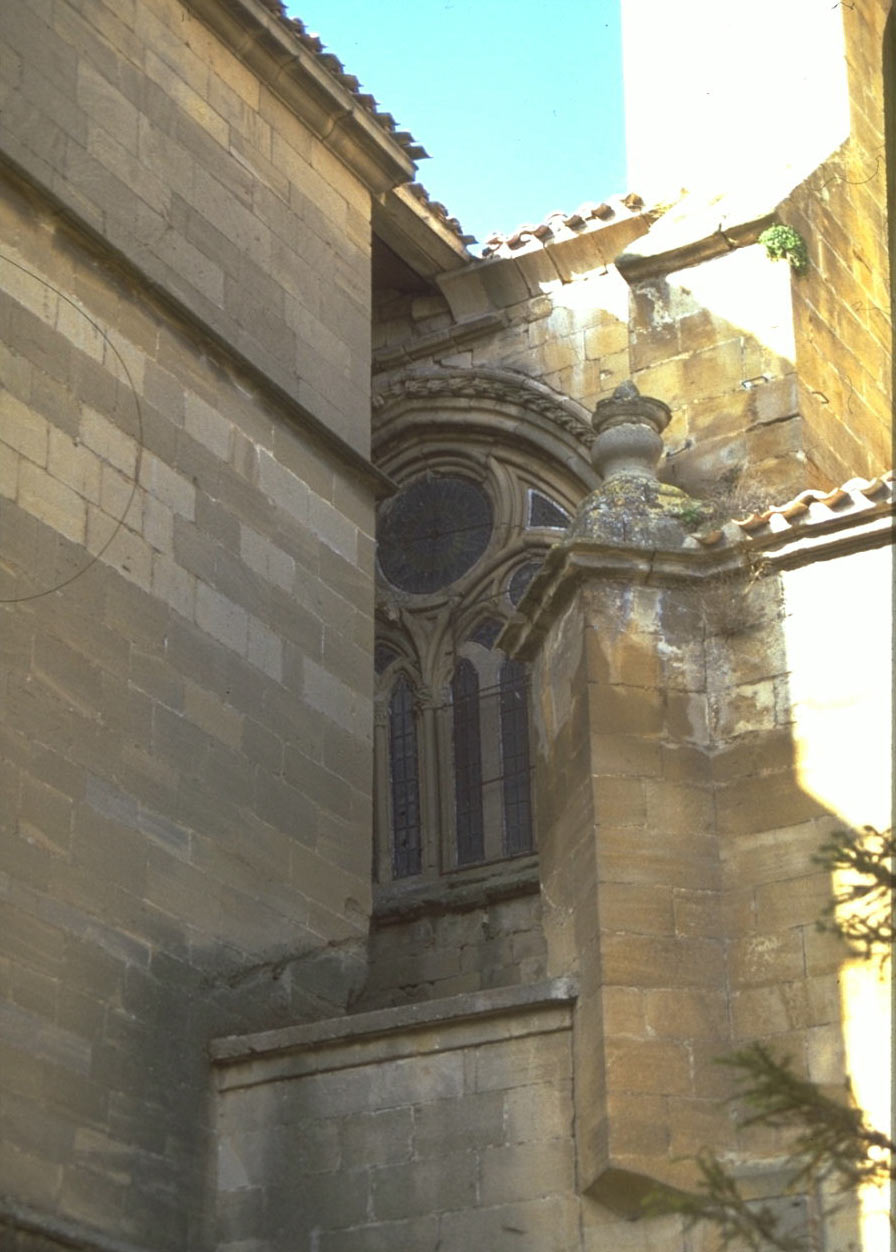
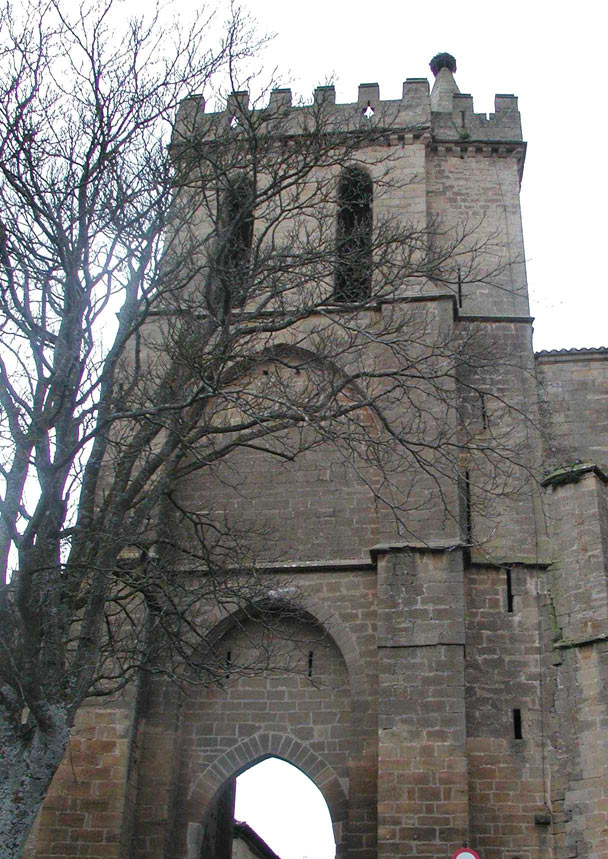
San Juan, mark out the two ends of the main Calle Mayor, and form part of the town's defence system. The Church of Santa María de los Reyes, located in the northern area of the fortified centre, is gothic in style although it has Renaissance, baroque and Romanesque additions. The main altarpiece, from the early 17th century, is the work of Bascardo, the side altars are baroque whilst the pulpit, with its stone base, and the font, both date back to the 16th century. The most outstanding part of the temple is its polychrome gothic façade.
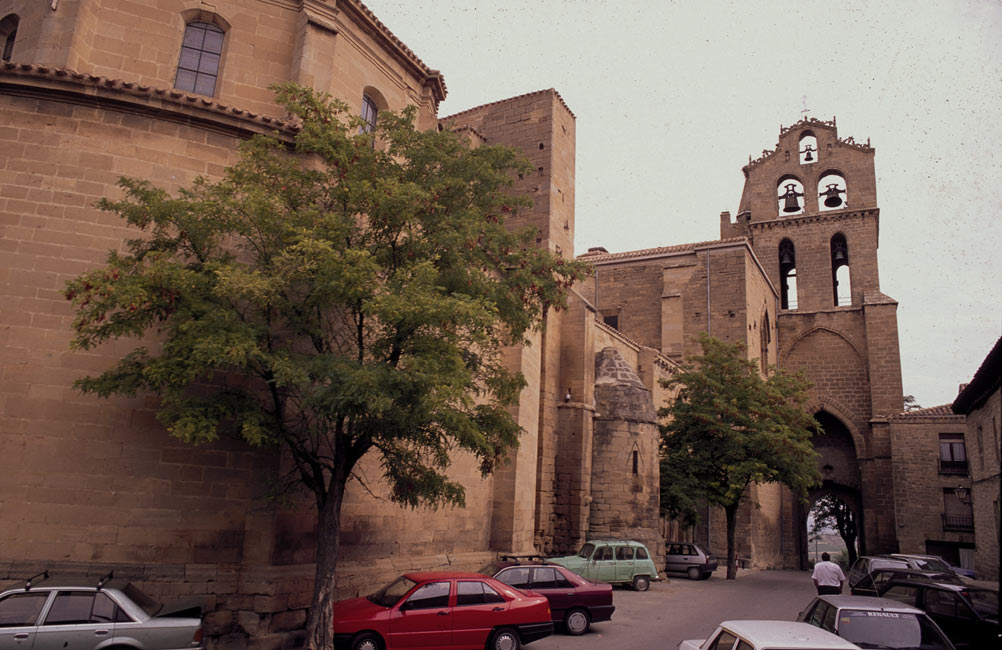
The Church of San Juan, gothic in style, lies at the opposite, south-eastern end of the town. It provides a fine example of fortified religious architecture. The apse walls were built into the town wall itself and the tower, today the bell
tower, was tucked into one of the entries to the walled town.
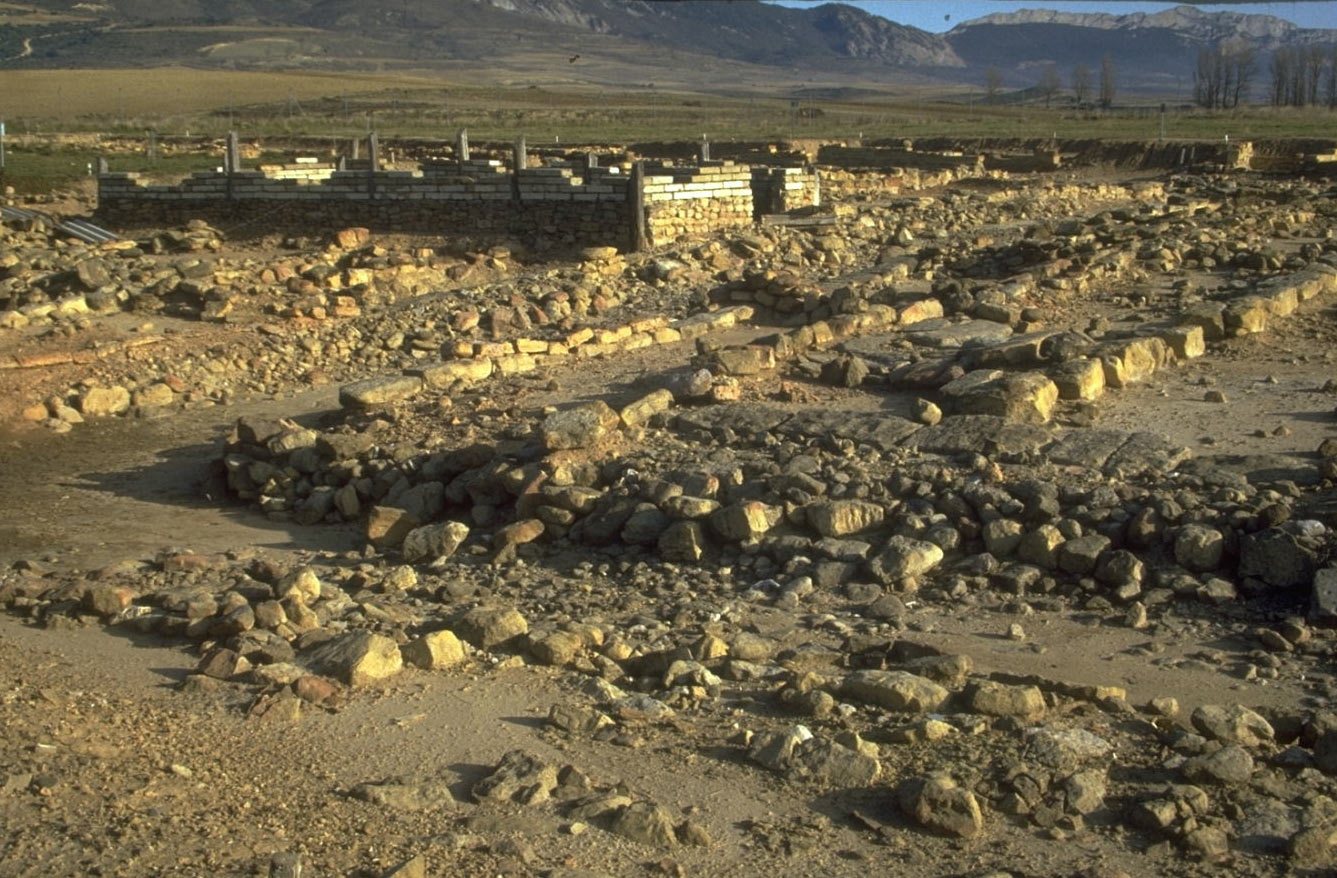
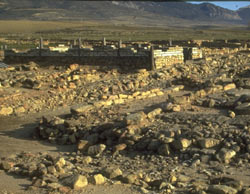
In the vicinity visitors can also see la
Hoya settlement, an interesting archaeological site with remains dating from the Bronze Age to the Iron Age. The settlement was abandoned before the Roman invasion and the archaeological digs that have taken place there have given an insight into the way in which this settlement was formed in the first millennium B.C.