The town of Artziniega was founded in 1272 in a privileged spot, at a crossing of ancient routes that communicated the Meseta with the ports of Bizkaia and Cantabria. It was one of the most important economic and strategic points of the lands of northern Araba.
The old town of Artziniega has the characteristics of a mediaeval town built on a promontory, taking advantage of the relief conditions and with three main streets running from East to West that are communicated through three crossroads: the Calle de Arriba with the church at one end, the Calle del Medio and the Calle de Abajo.
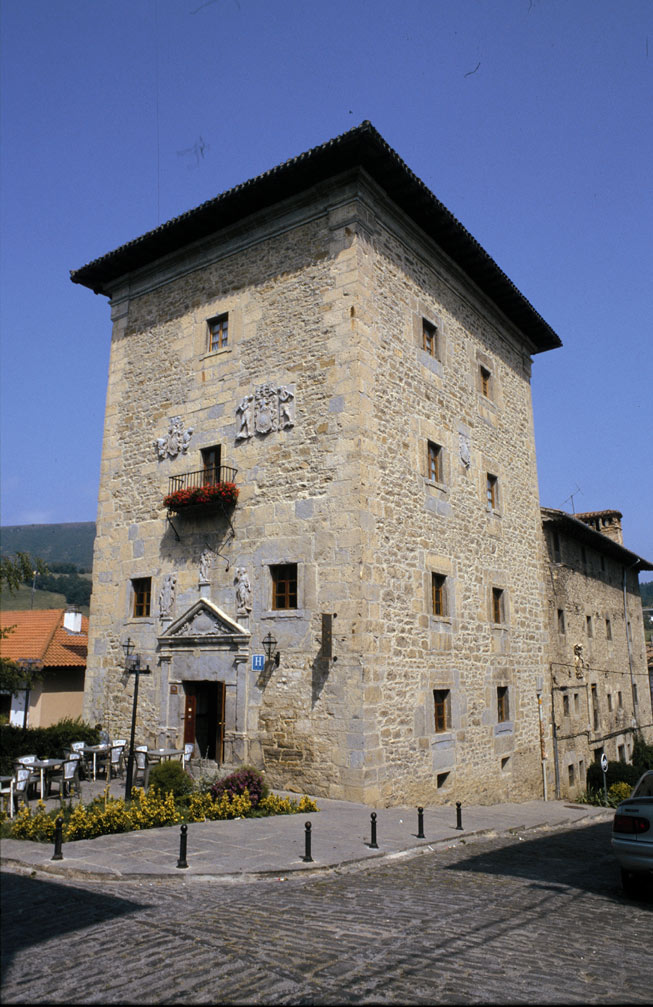
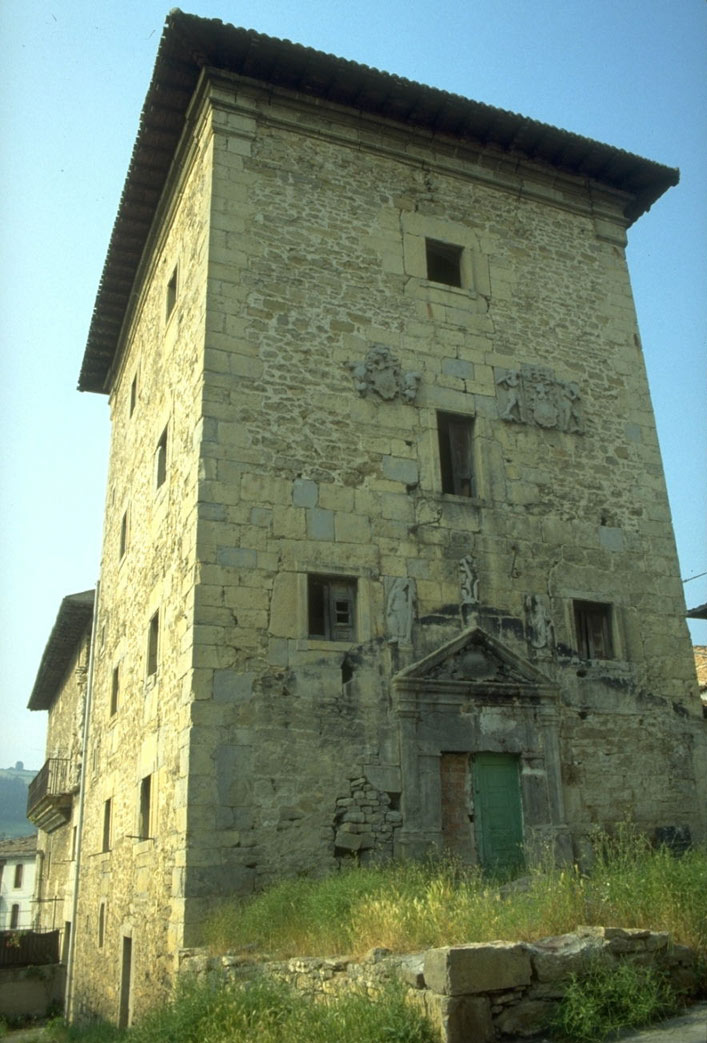
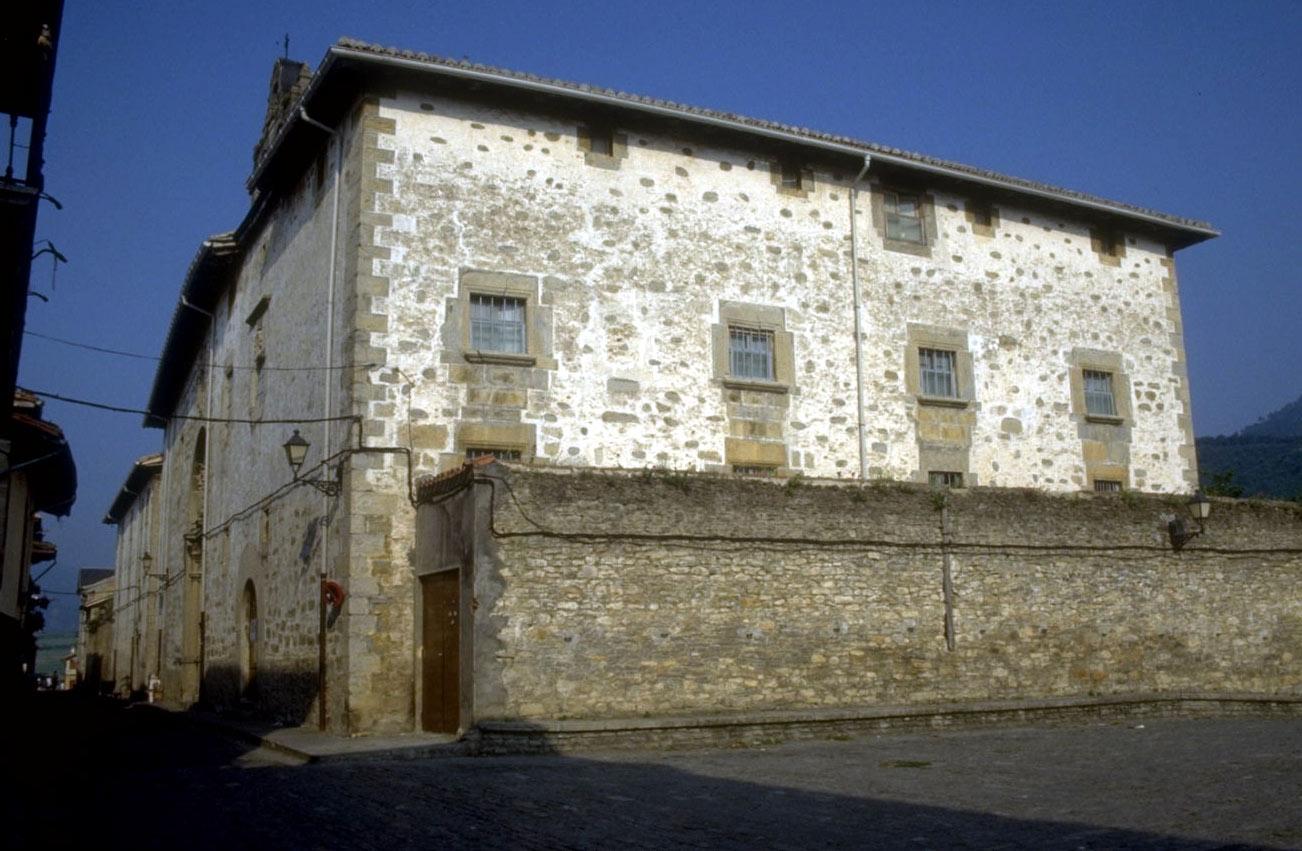
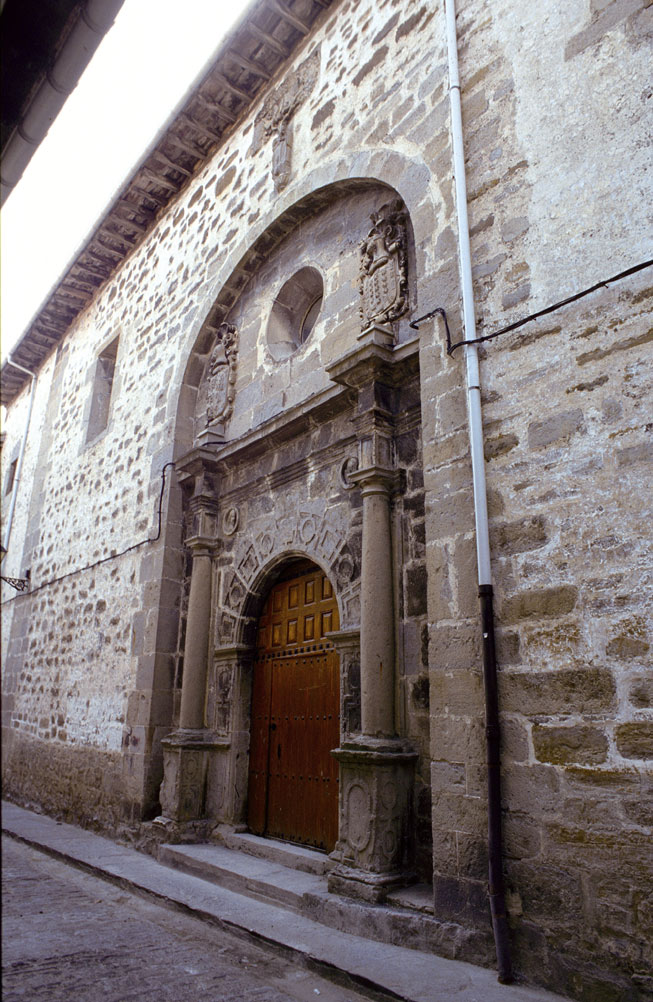
Also important are the 17th and 18th century buildings that led to the construction of Renaissance and baroque palaces. A characteristic typology of this town are the small palaces from the end of the 19th century with a gardened patio adjoining the public roadway. Amongst the buildings of historical and architectural interest we could highlight the "tower on the Calle Correo", from the late 15th century, the 16th century
Tower of Ortiz Molinillo de Velasco,
the Augustinian Convent, over the old Monteano y Oribe Salazar tower, and the parish church of
Nuestra Señora de la Asunción, a typical 18th century construction.
Another visit in this locality is the
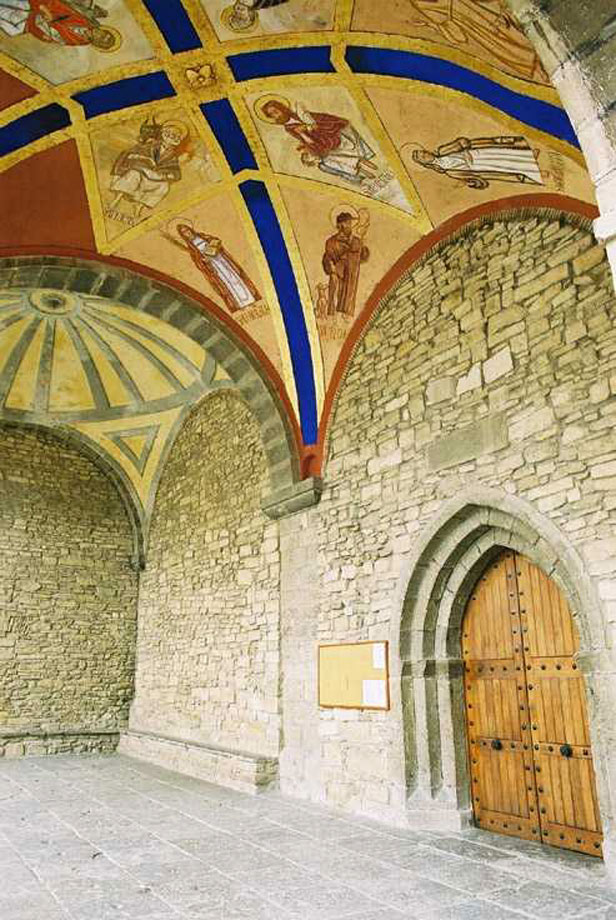
Sanctuary of Nuestra Señora de la Encina, a large church with three naves, the central nave being higher than the side naves. Its date of construction is 1498. We know, however, that a previous temple existed on this site as has been seen from recent archaeological digs. This antiquity was already suggested in the legend that tells how, that towards the year 1200, a shepherdess saw the Virgin Mary appear in an oak tree.
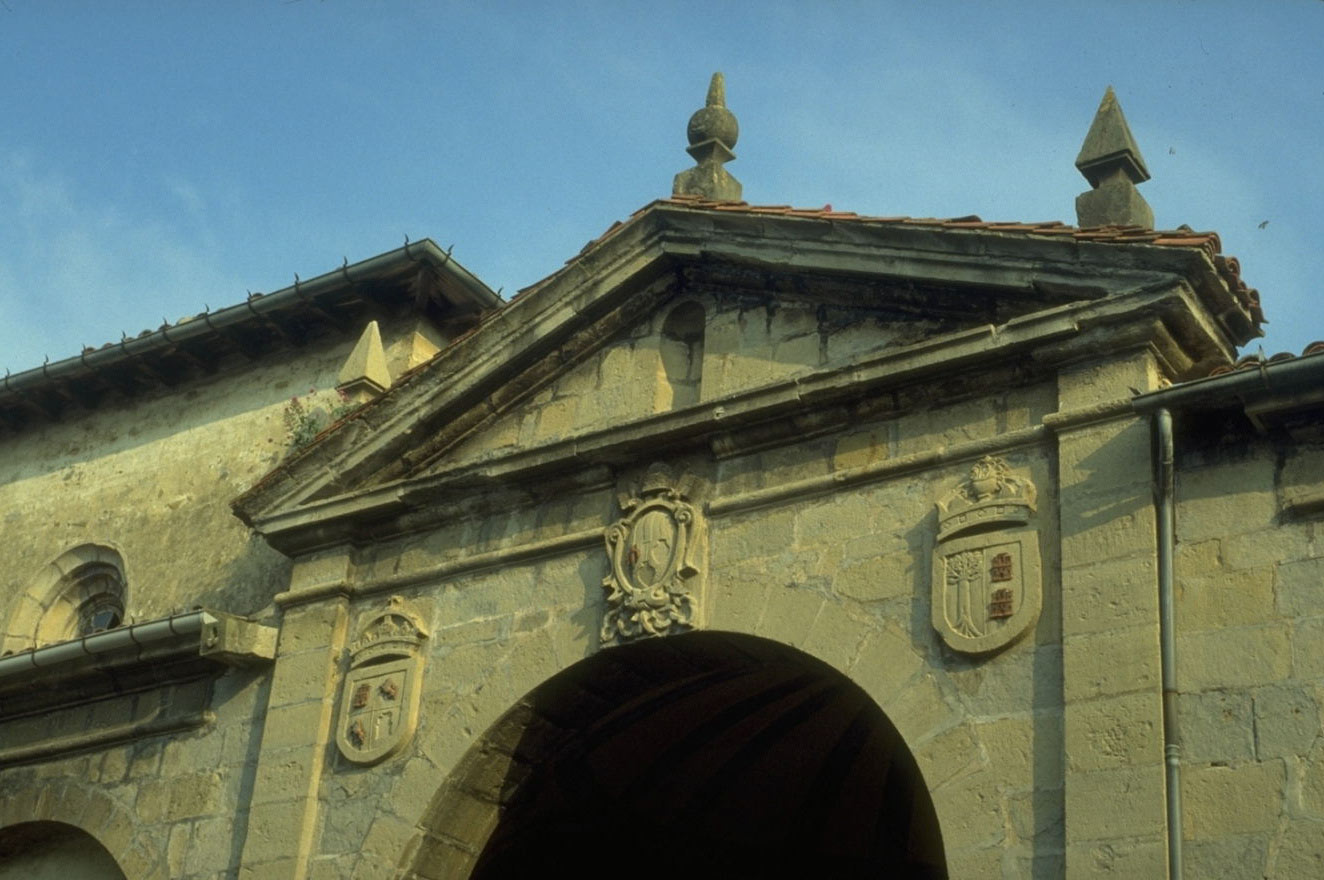
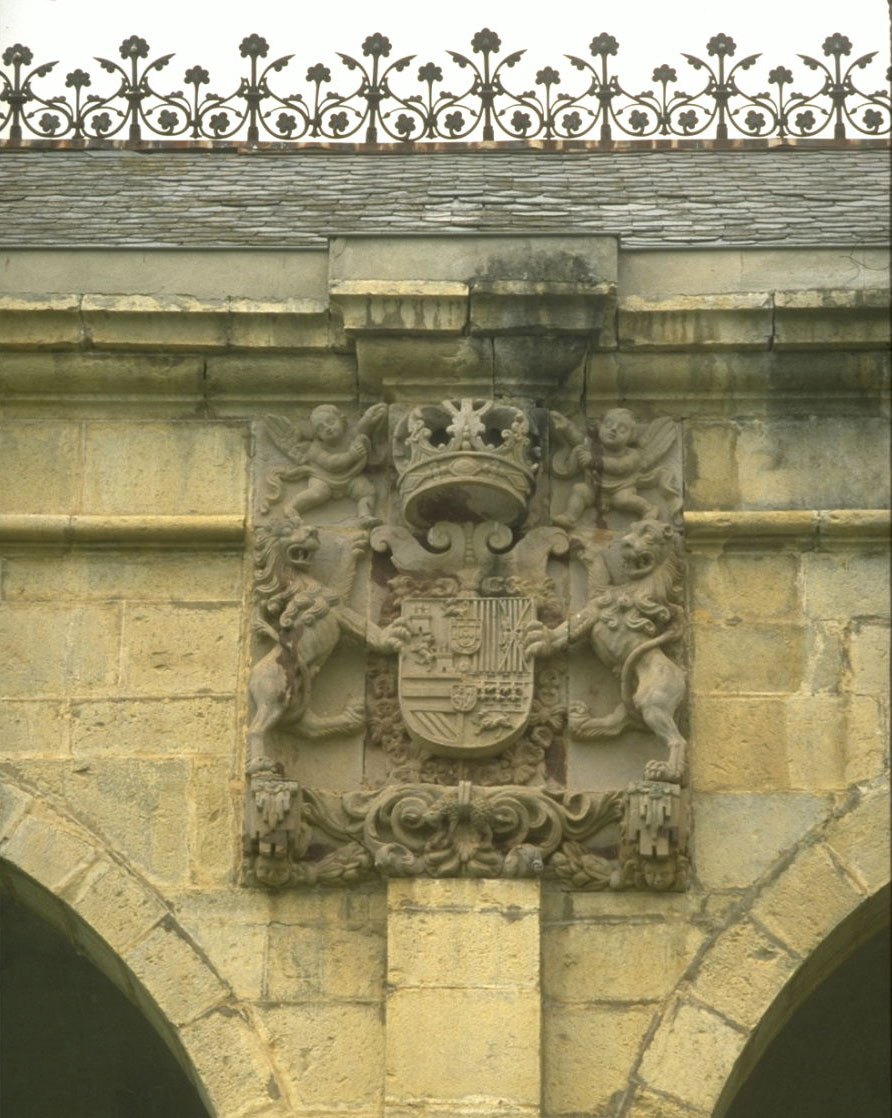
This Sanctuary has a magnificent stonework portico with four stone arches at the front and one at the side. On pillars are the town's coats of arms, framing a large baroque coat of arms from the House of Austria. The main altarpiece, one of the most beautiful in the entire Basque Country, is equipped with a wide plinth with tracery decoration and iconography dedicated to the story of the Virgin and the Passion. A gothic Andra Mari dating from the 13th and 14th centuries has been conserved along with another very old Andra Mari, perhaps the oldest in Bizkaia. It also contains the tomb of the Bishop D.Cristobal de la Camara y Murga, who died in 1641.