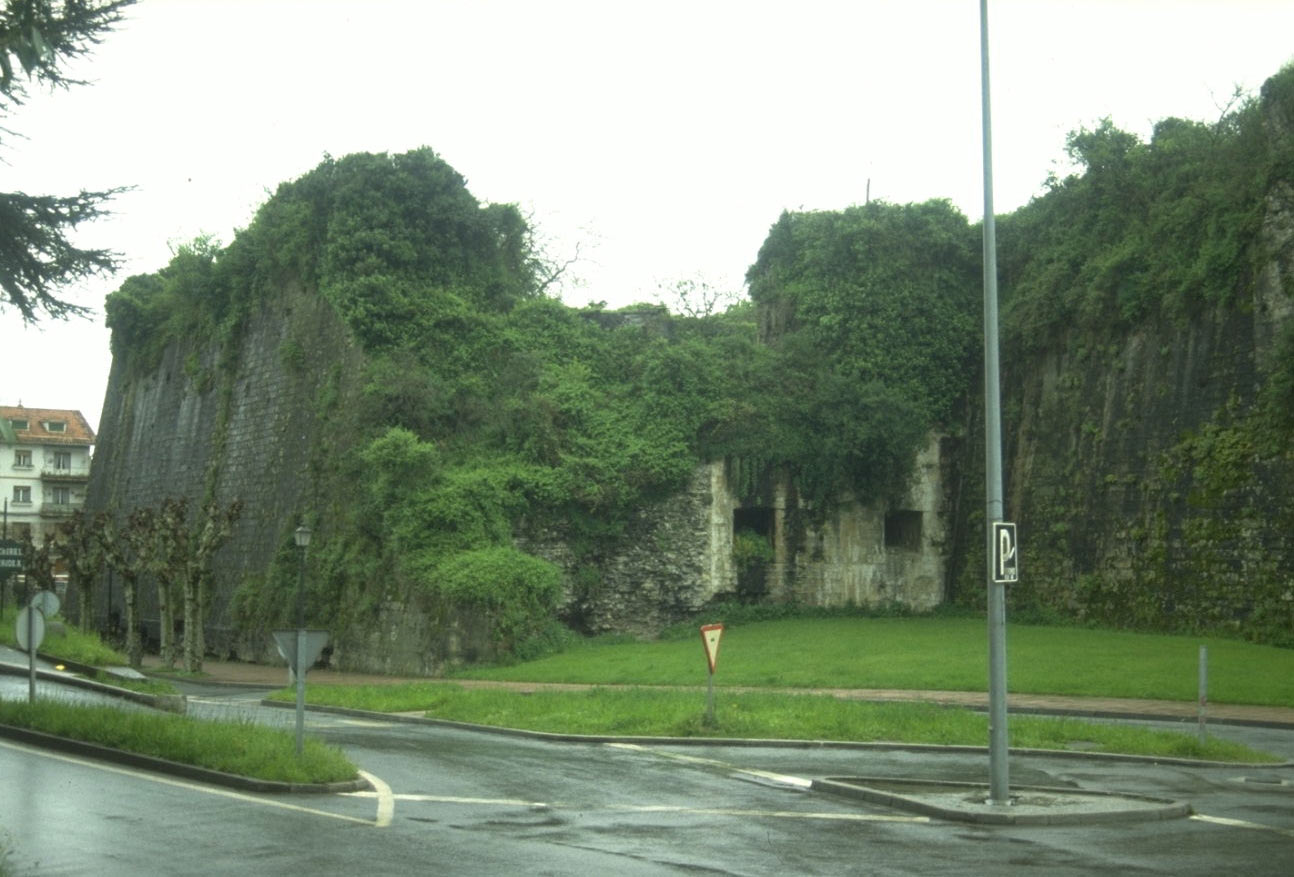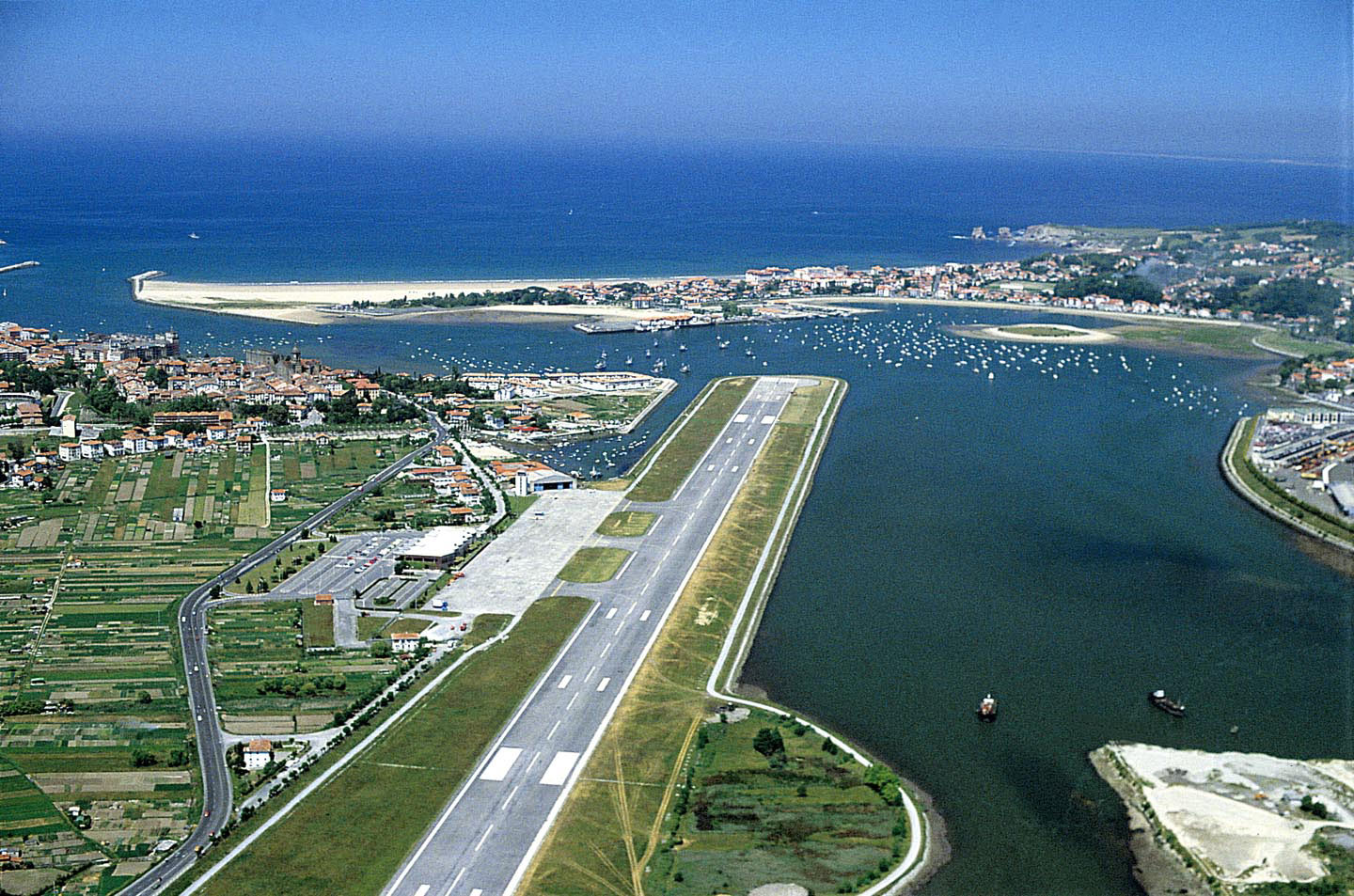
Hondarribia was the second town in Gipuzkoa to receive its charter. Its strategic location, its importance as a stronghold and the development of its defensive systems conferred upon this village, later a town, exceptional character. Its construction is related with the control of the Bidasoa, on the border with the Kingdom of Castile, from 1200 onwards. A large quantity of resources were assigned to its construction, finally converting it into a notable military centre. In the old quarter of Hondarribia, therefore, urbanistic development, both in the Mediaeval and Modern Ages, has always been conditioned by its walls. Its history is marked by successive reconstructions due to fires and to the different sieges to which it fell victim. In 1794 the destruction of its fortifications took place causing the definitive loss of this stronghold.
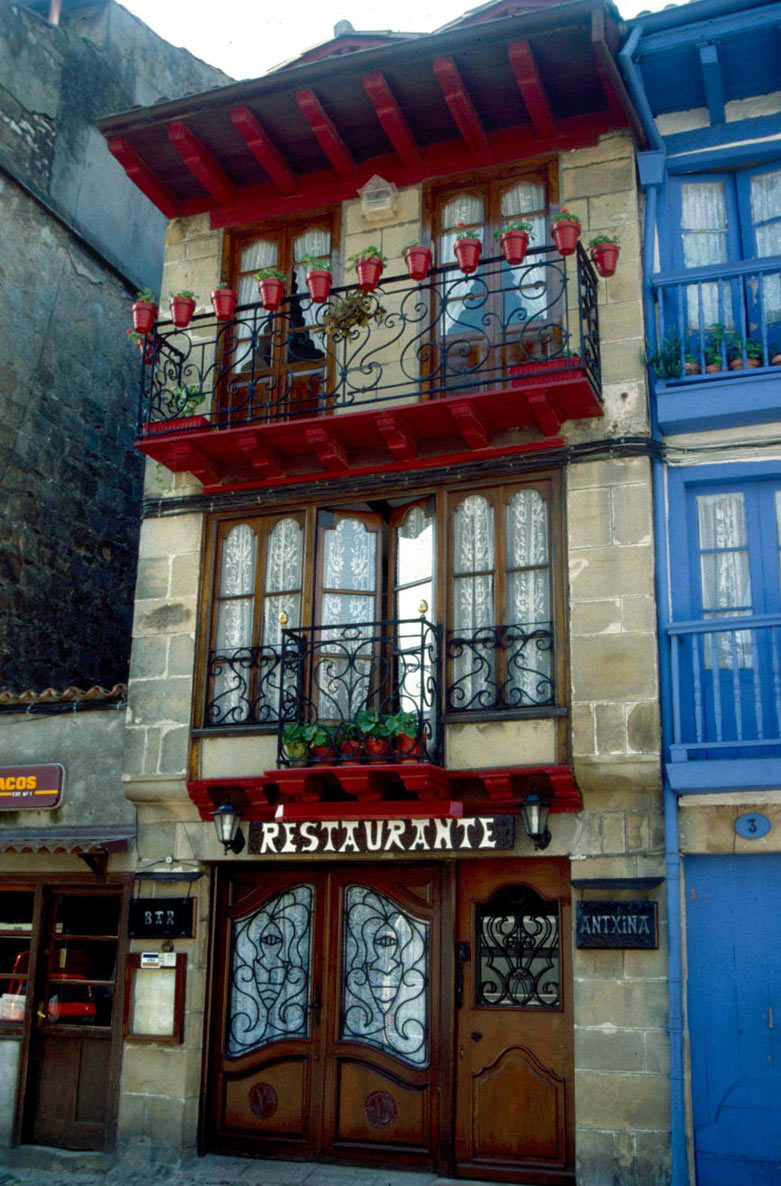
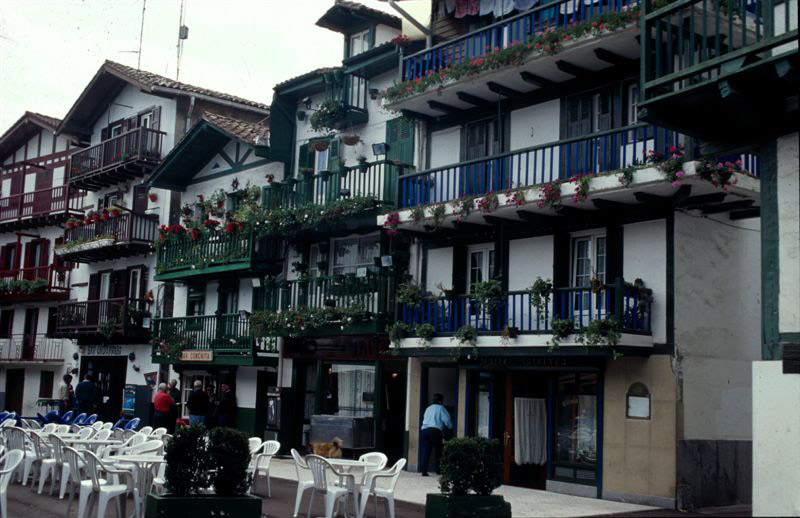
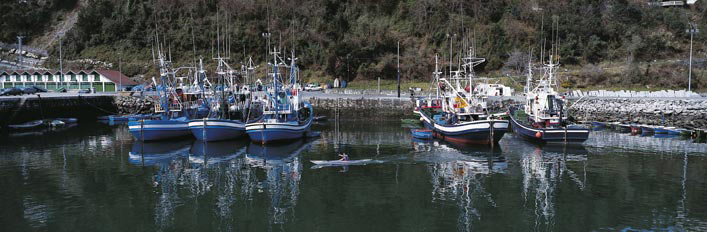
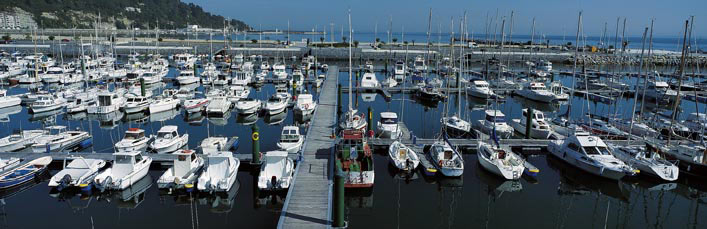
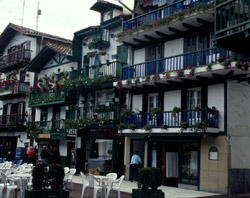
The walls were repaired by the Catholic Monarchs and the emperor Carlos V. The port is situated outside of the walled perimeter and the old quarter follows the layout of military camps, with five straight, parallel streets and a transversal street that cuts through them. The growth of the town, subject to the framework of the walls, means that the houses are arranged on long, narrow plots, typical of mediaeval town planning. The most characteristic feature of these buildings is the staggered way in which their eaves jut out, in an attempt to gain extra surface area on the upper floors.
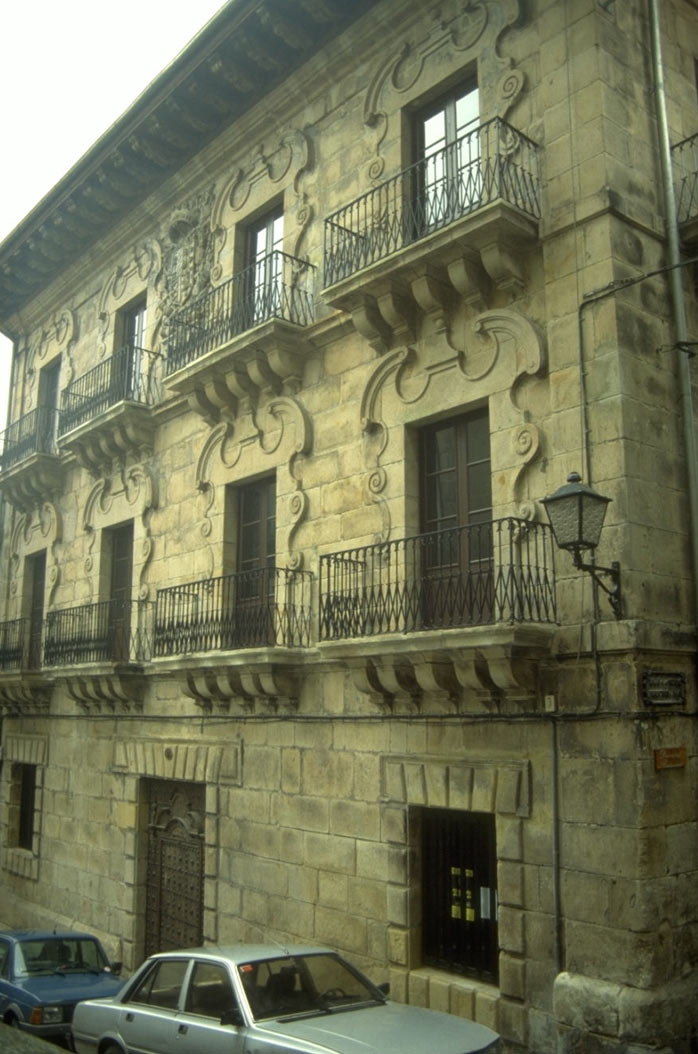
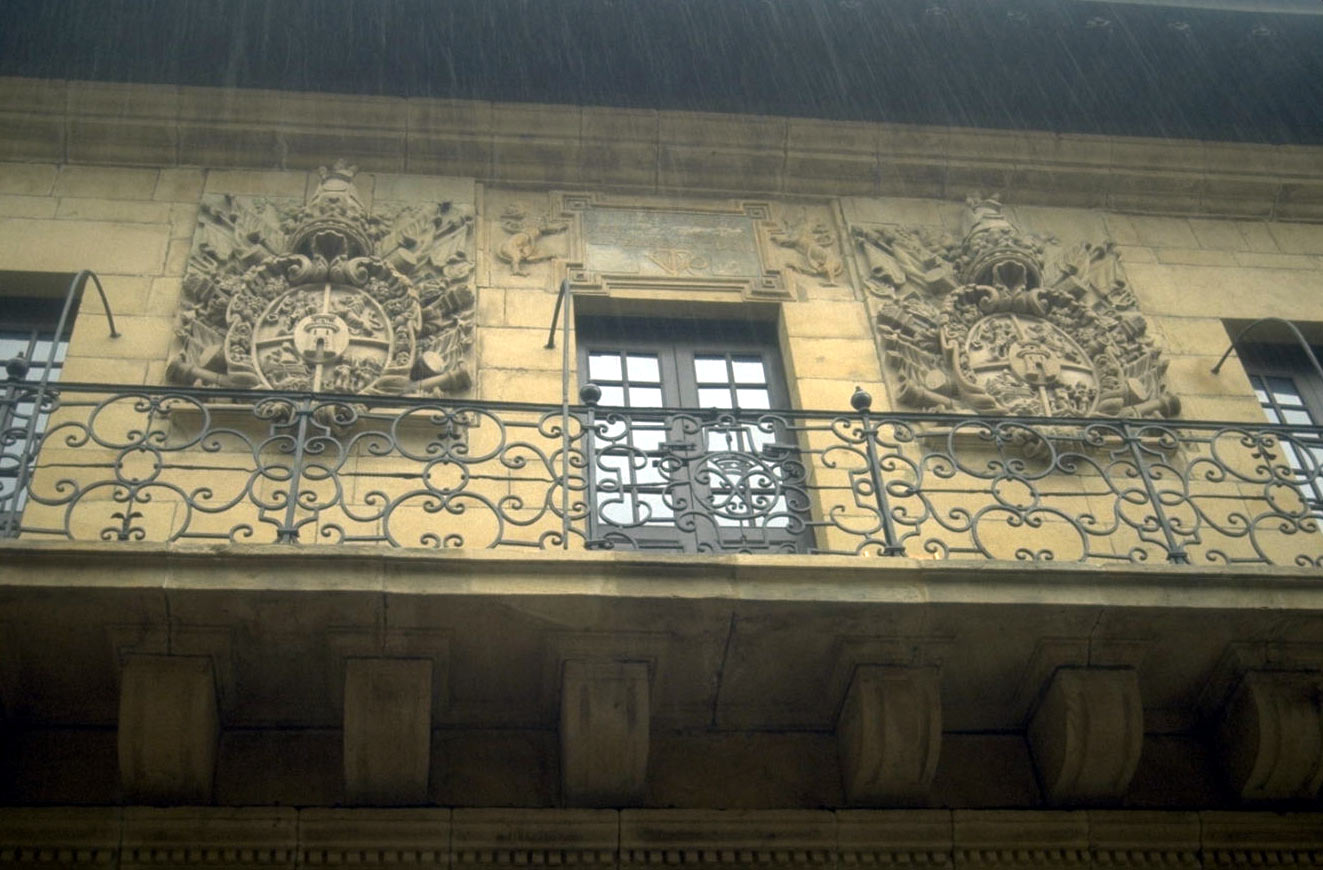
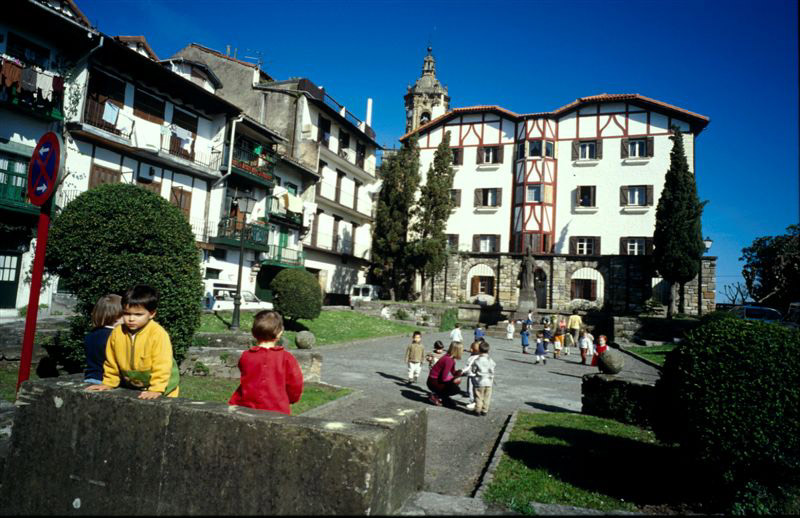
Declared a Historical and Artistic Monument, the walled town contains great monumental wealth. The main Calle Mayor, Calle Pampinot, Plaza de Armas, Calle San Nicolás etc., are dotted with typical houses and beautiful palaces. A visit to the 17th century baroque
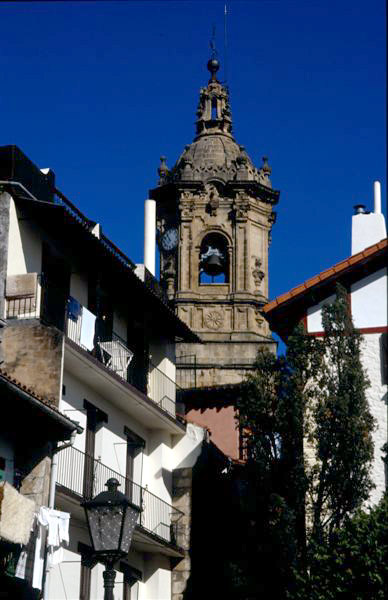
Zuloaga-Etxea is a must, and also to the Churches of Nuestra Señora de la Asunción and
Nuestra Señora del Manzano and to the
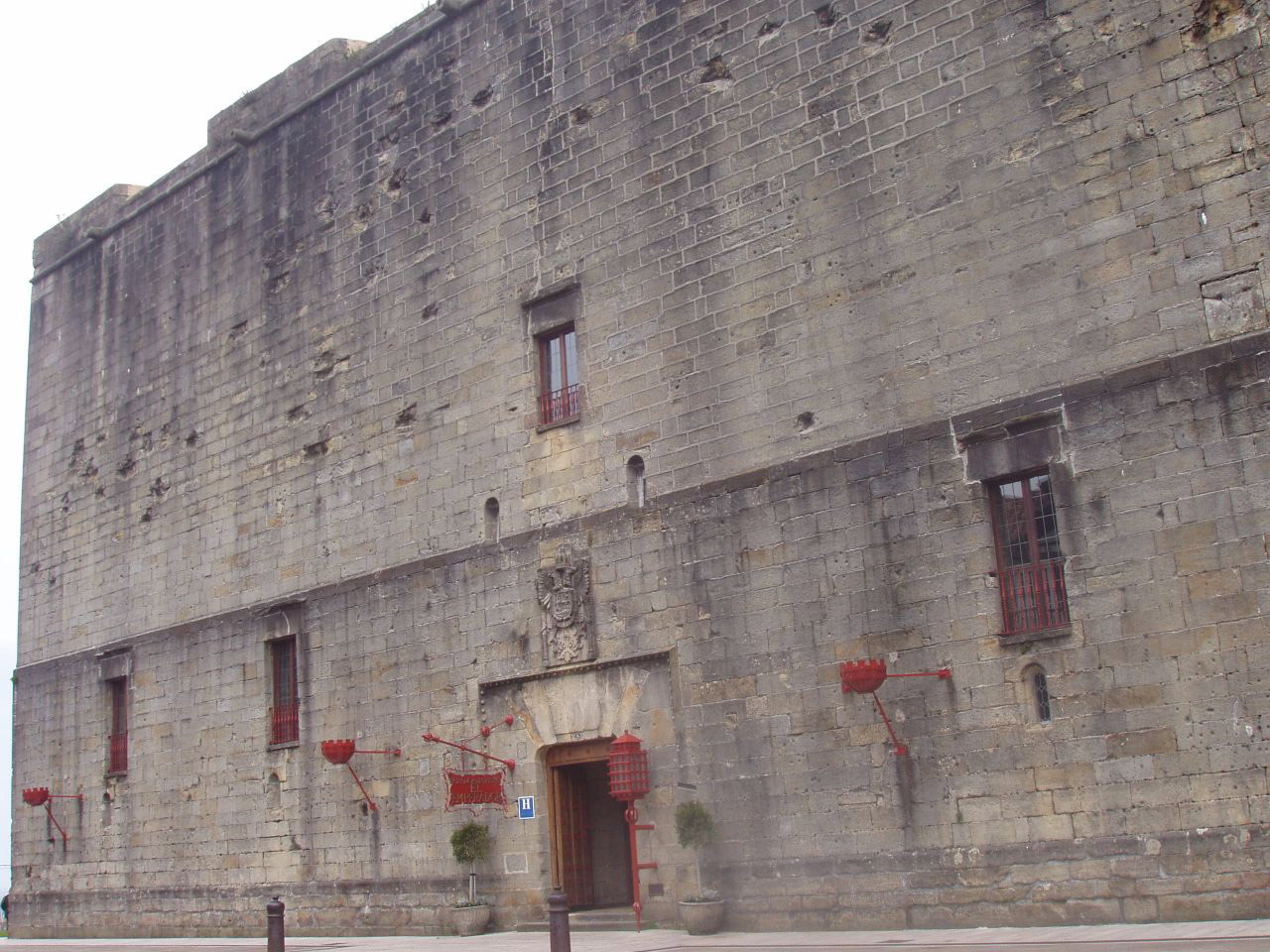
Castle of Carlos V.
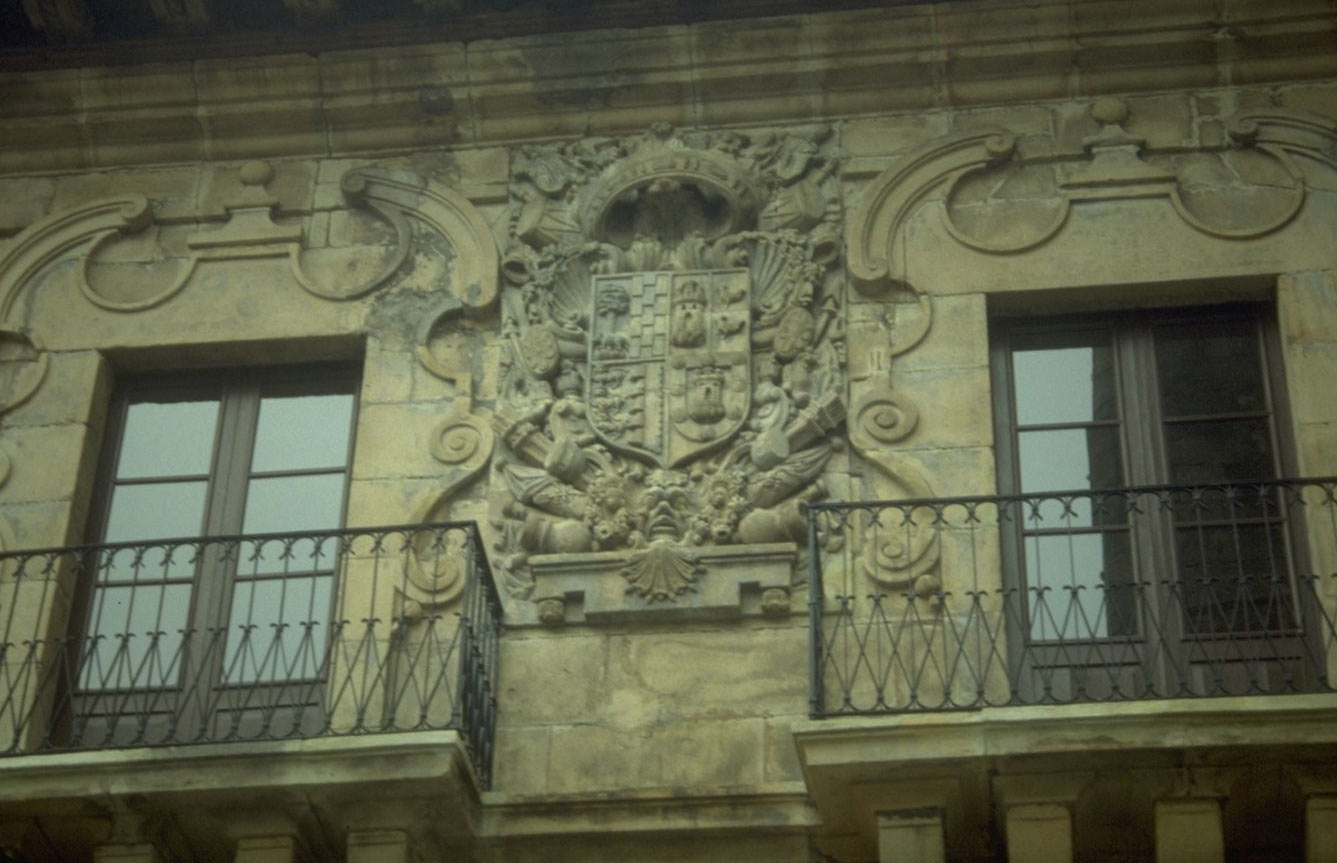
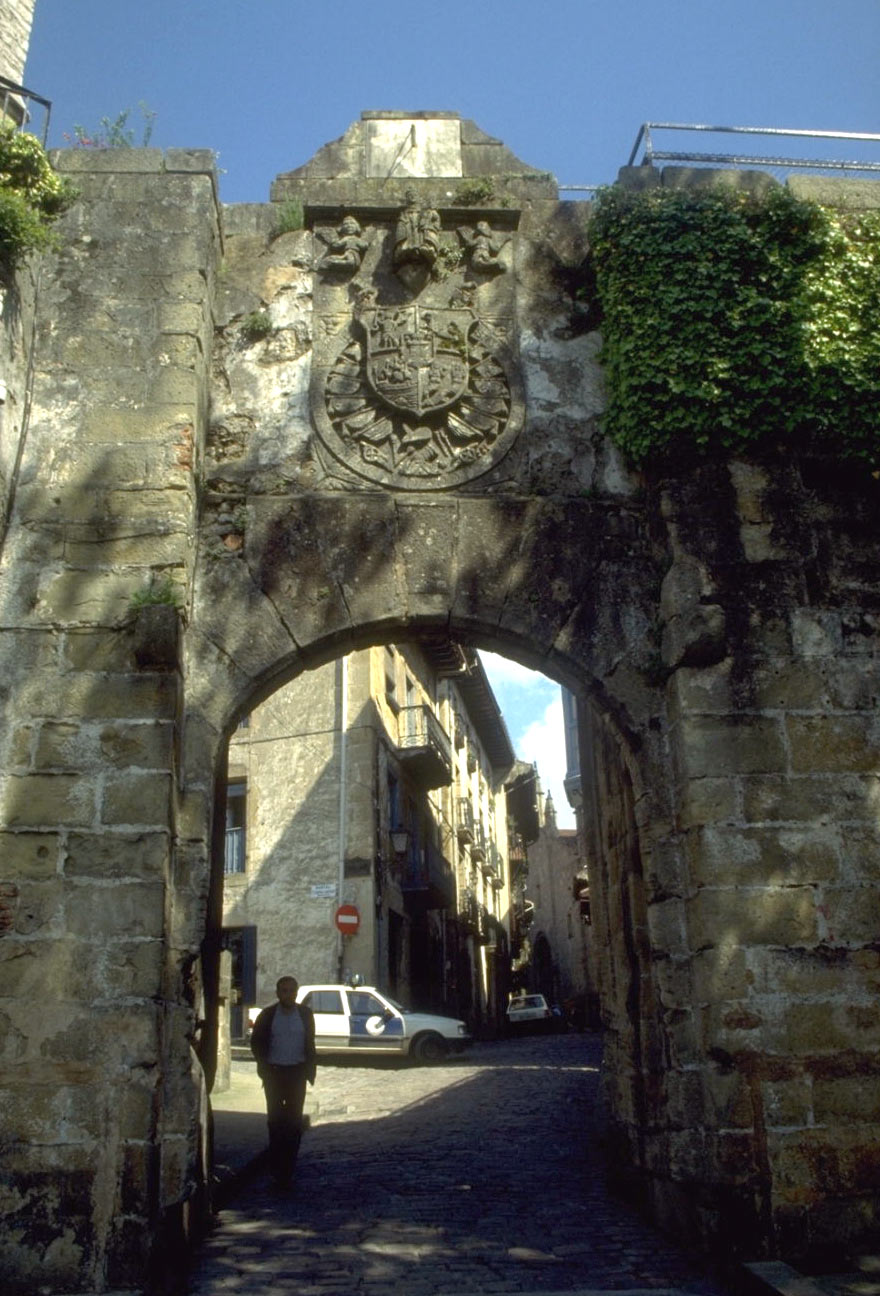
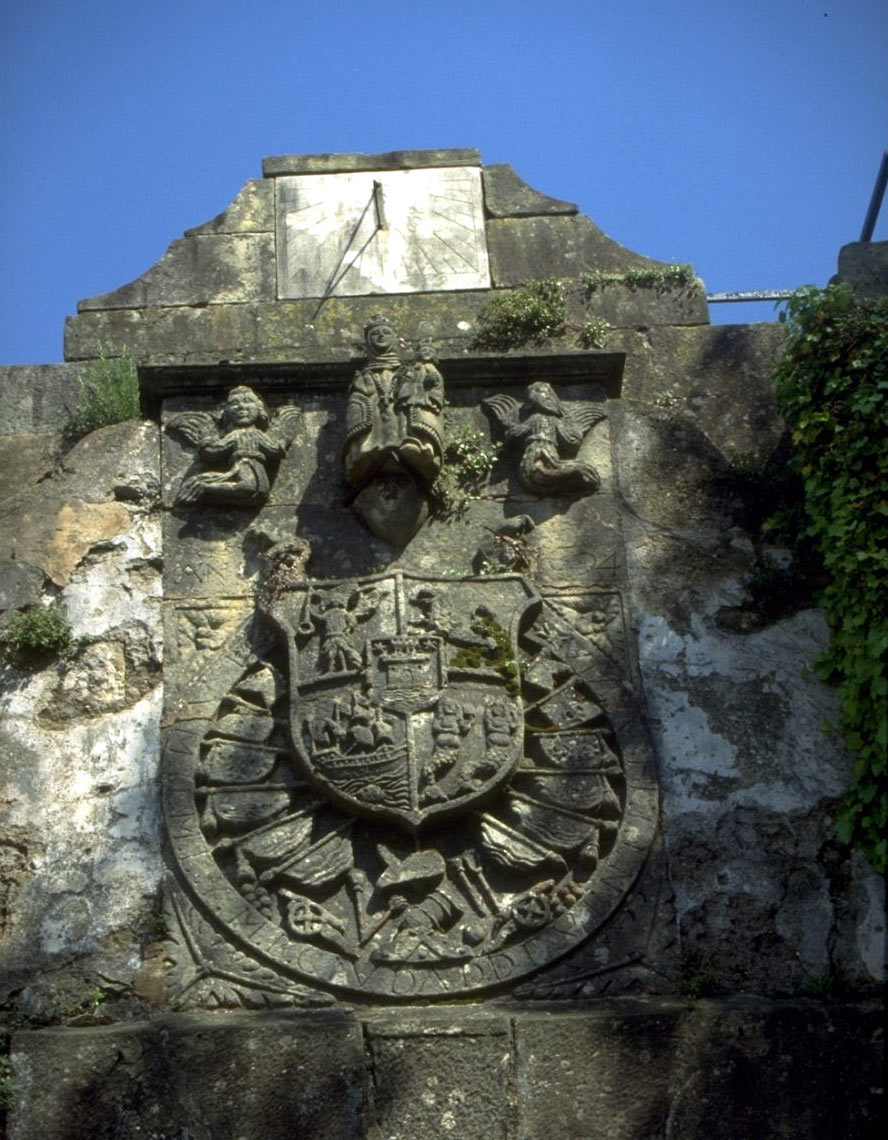
The Puerta de Santa María is the main entry gate to the town and the only one still standing as the other two that existed were destroyed by the French Army in 1795. The upper part of the gate contains the town's coat of arms.
The Nuestra Señora del Manzano church, from the 16th century, is a gothic building situated in the upper part of the town. Its layout is a Latin cross, three naves with a transept and three polygonal apses. The original altarpiece, a work by Iriarte from the late 16th century, was substituted by a neo-classical altarpiece, and the latter, in turn, was replaced by the current altarpiece, in the neo-gothic style. A series of relief work and figures from Iriarte's altarpiece can be seen in the sacristy and the church also exhibits other baroque altarpieces.
Another of the magnificent monuments of Hondarribia is the Carlos V Palace, a sober building from the 16th century built in dark stone with a flat main façade and the predominance of its stonework wall. The castle has a quadrangular structure and the most outstanding feature is its façade, small in size but of great beauty.