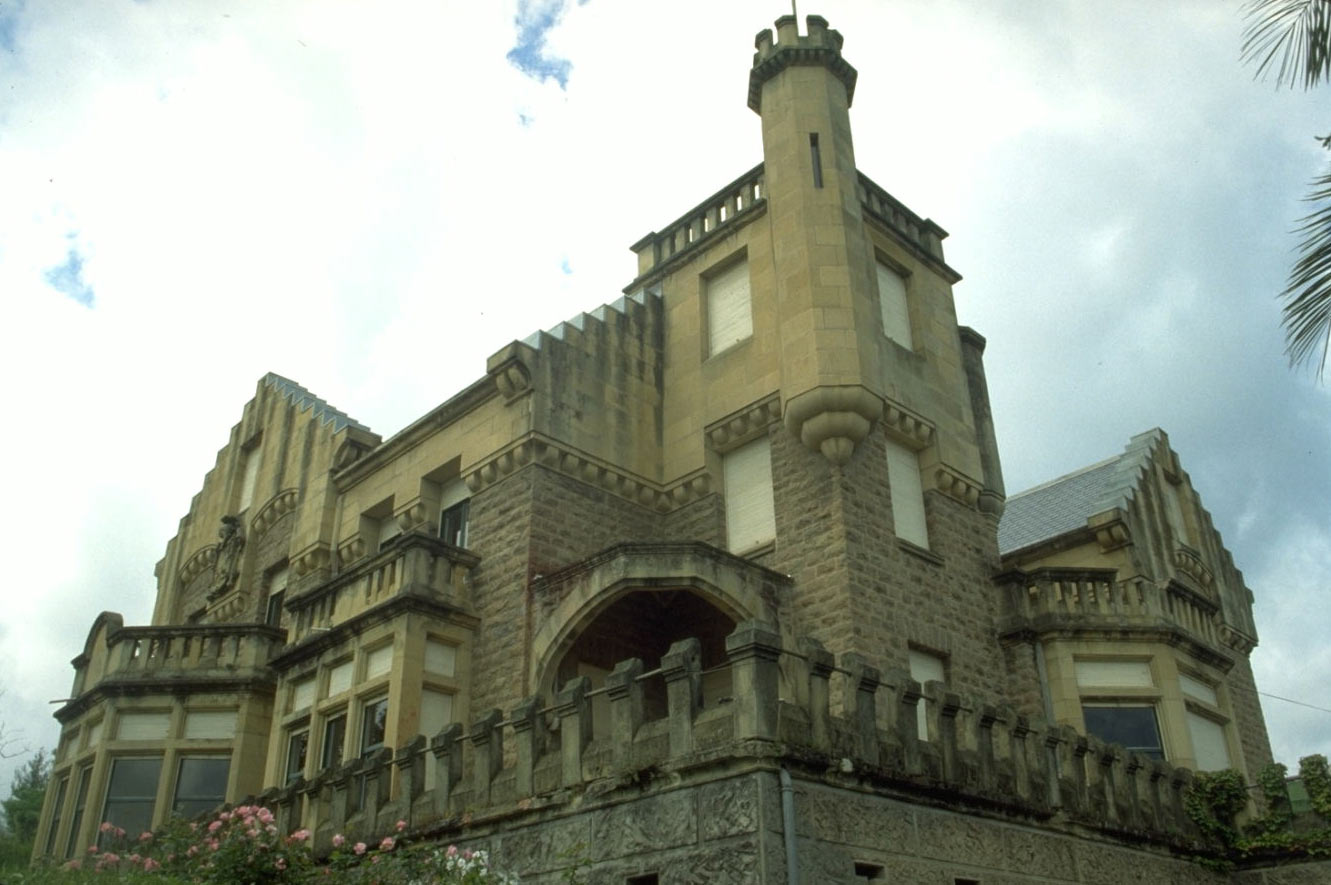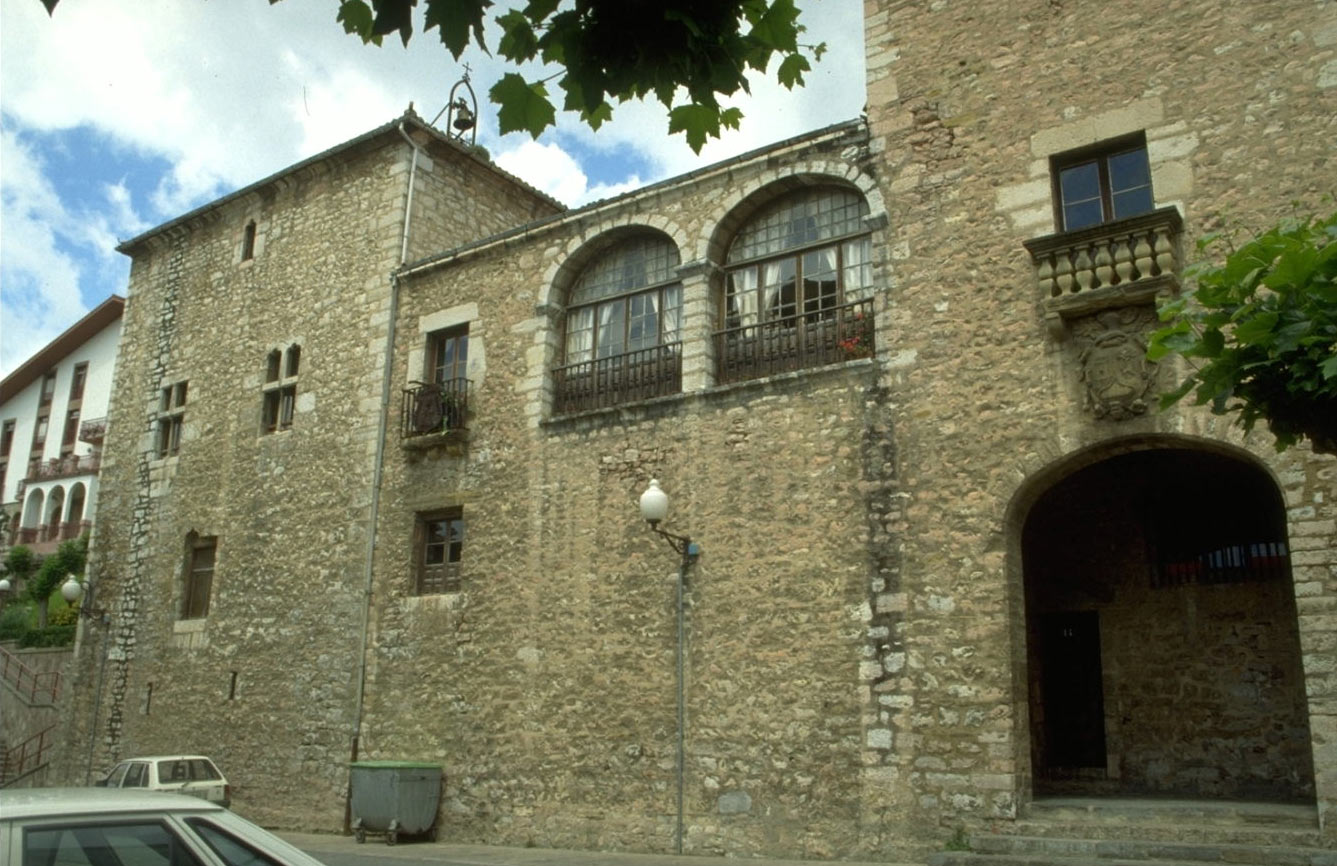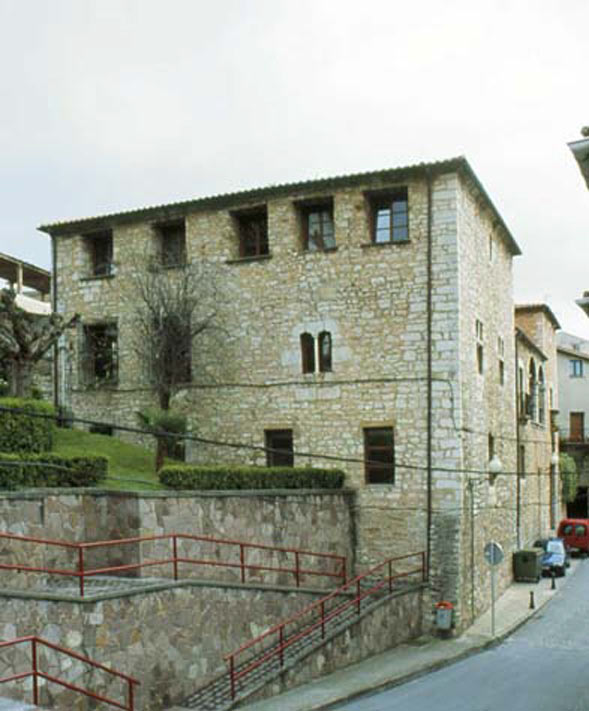
The Zuloaga Museum is located in what was the inn for pilgrims on their way to Santiago and the church dedicated to Saint James.
The artist purchased the lands in 1910 and under his direction, the architects Pedro Guzmán and José Mª Alcorta built the house and restored the entire site creating a welcoming atmosphere pervaded by a sense of intimism and authenticity.
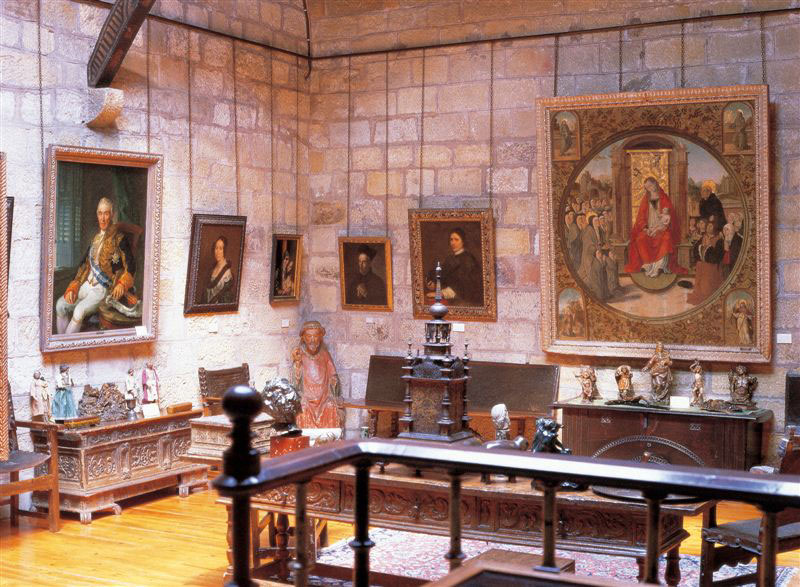
This museum is adapted to Zuloaga's taste as a collector, this being the reason behind the disparity of artistic styles and materials that make up the collection. The first room hosts the works of the brilliant artist, Zuloaga, and the second contains the main part of the permanent exhibition of pieces that, transcending the figure of Zuloaga himself, familiarises us with his tastes, friendships and family.
We can view works embracing the gothic transition to the Renaissance, both Spanish and Flemish, with pictures by El Greco, Zurbarán, Goya, Vicente López, Spanish Romantic painting, Solana, Renaissance sculptures, baroque nativity scenes, bronzes by Rodin, as well as important damascene works from Eibar, produced by the workshops of Placido Zuloaga.
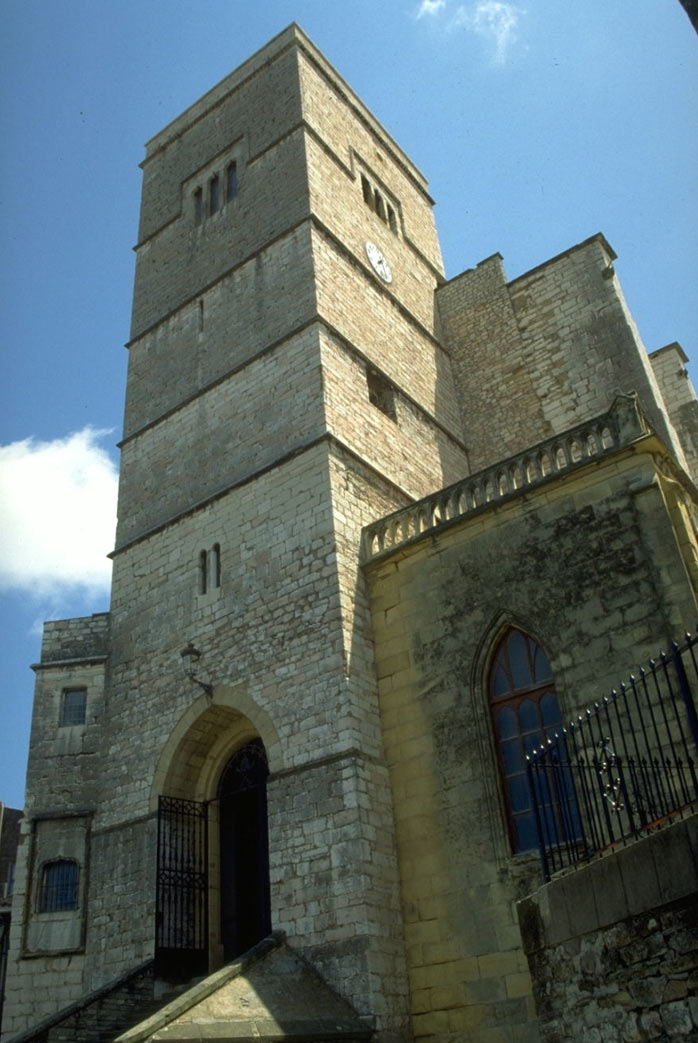
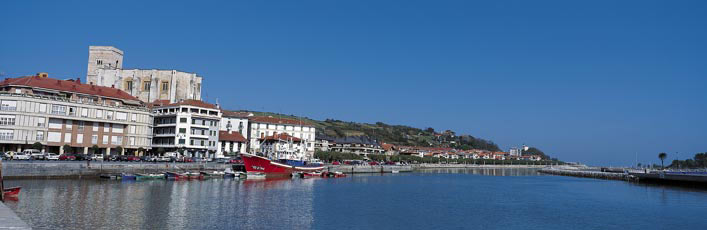
The 13th century Renaissance style
Church of San Pedro in Zumaia, has a single nave, with a polygonal apse and a mediaeval tower at the foot. It maintains its fort-like appearance and conserves a grand altarpiece by Juan de Anchieta dating from 1577, this being the only altarpiece of his conserved today in Gipuzkoa. Also of interest are the panels in the side chapels, these being Flemish triptychs and a votive panel by Marino Martínez.