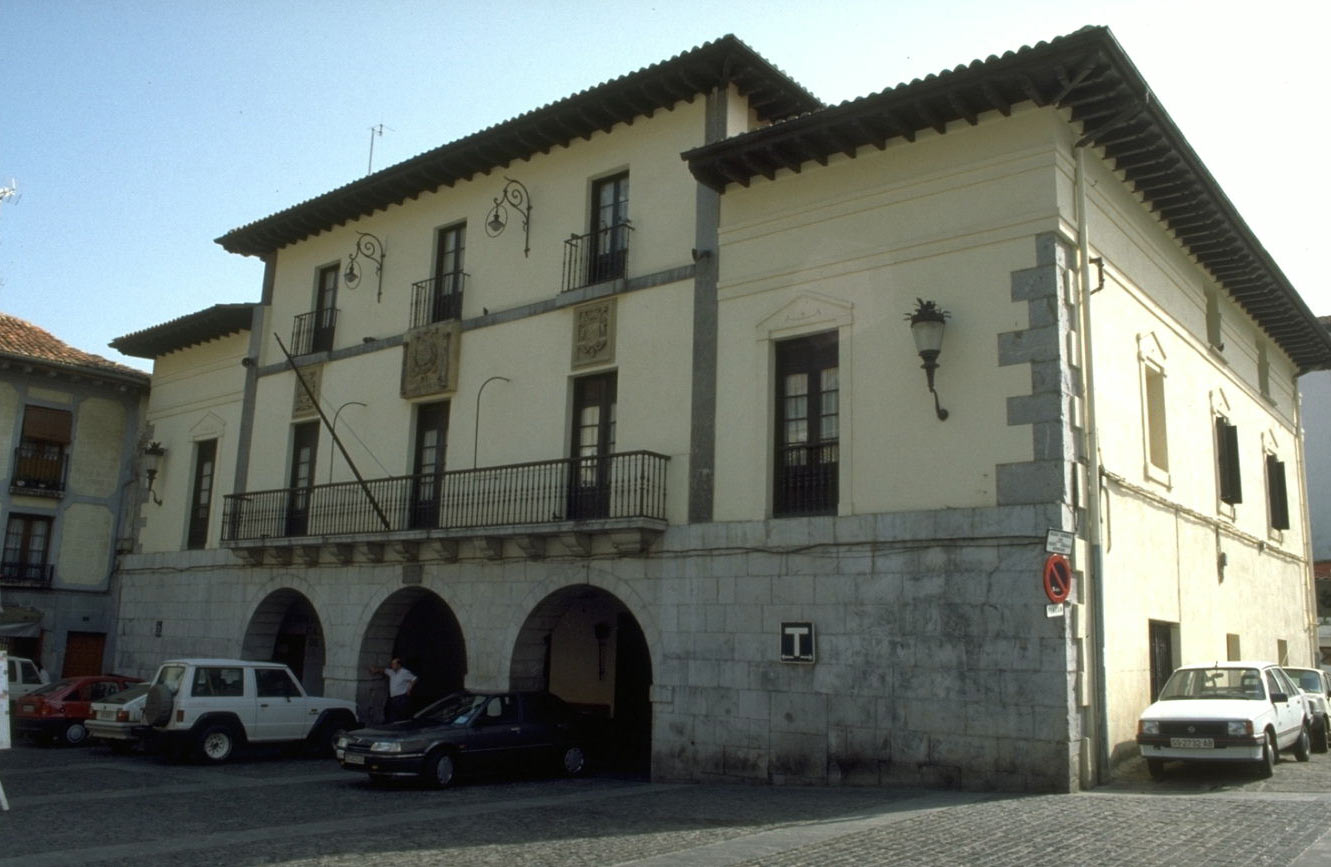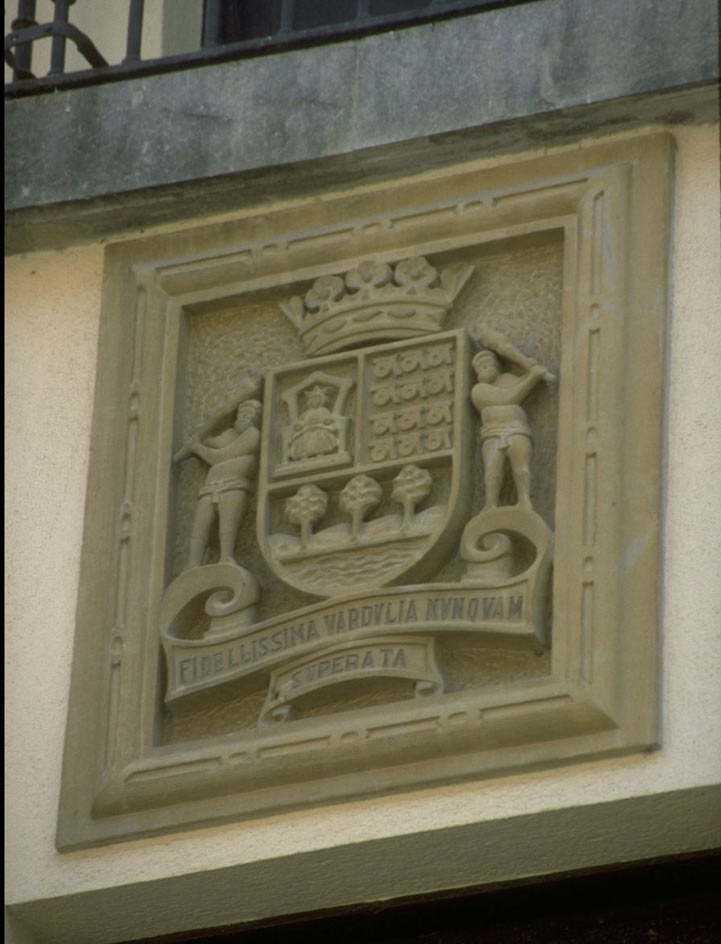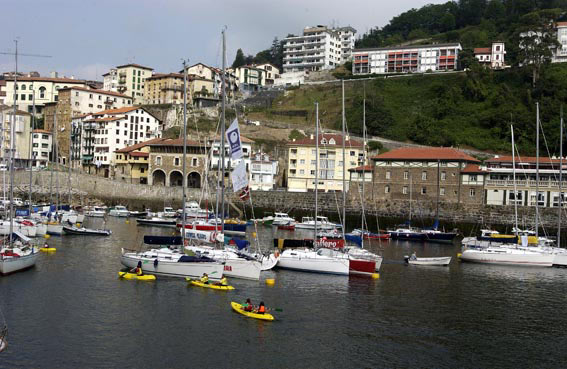
This town was one of the earliest to be founded in Gipuzkoa; in 1209 it was granted the same charters as those previously given to San Sebastián. It has suffered heavily from fire and destruction, and this has considerably altered a large part of its urban structure. Since its birth it has had a seafaring vocation, linked to the importance and good conditions offered by its
port. The centre, which retains the typical layout of mediaeval towns, is ordered in relation to the quays and the streets that lead down to the port. The Old Quarter conserves part of its gothic plot divisions and is dotted with houses and palaces of notable interest, dating back to the 16th, 17th and 18th centuries.
Especially worthy of note is the
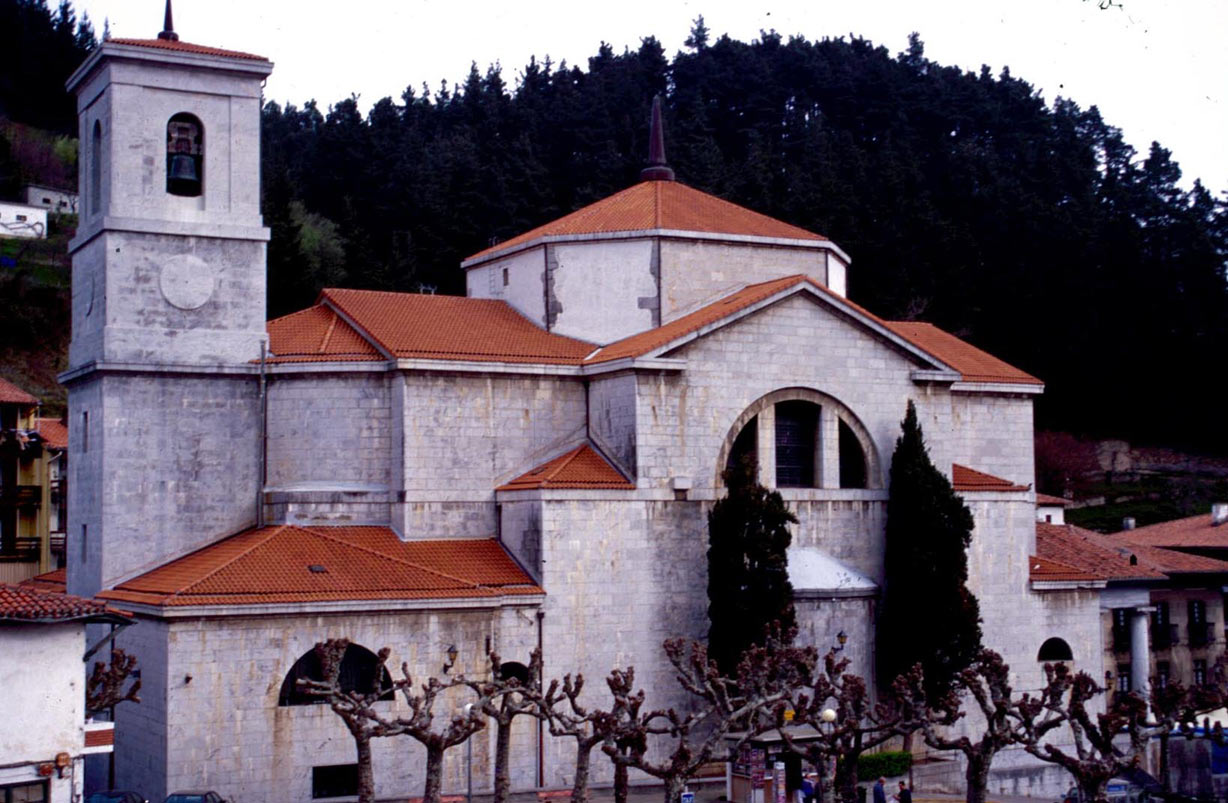
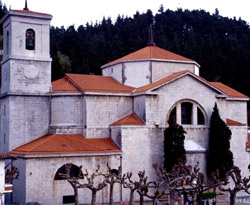
Parish Church of Nuestra Señora de la Asunción, a neo-classical work by the architect Silvestre Pérez. This temple, located in the old quarter, rises up on a rectangular platform in the Plaza del Ayuntamiento. The rectangular layout is in the shape of a Greek cross. The decoration is predominantly sober and with clearly defined volumes, it has little ornamentation and the main section is octagonal in shape. In the chapel, a picture of Jesus on the cross is attributed to the master painter Zurbarán.
The original church was rebuilt in the 16th century. In 1790, given its state of ruin, the decision was taken to demolish it and build a new church.
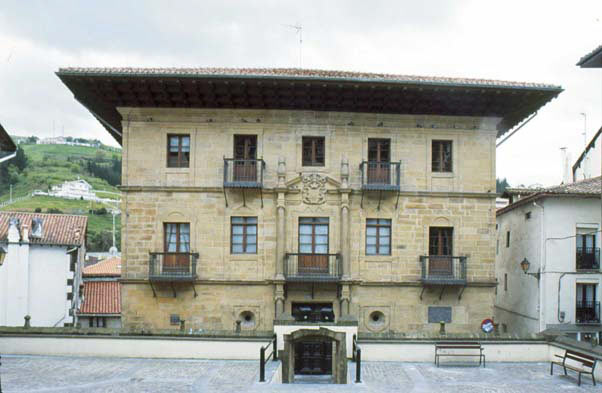
The Zabiel Palace is a 17th century baroque building, with a rectangular layout and a main façade made from sandstone blocks.
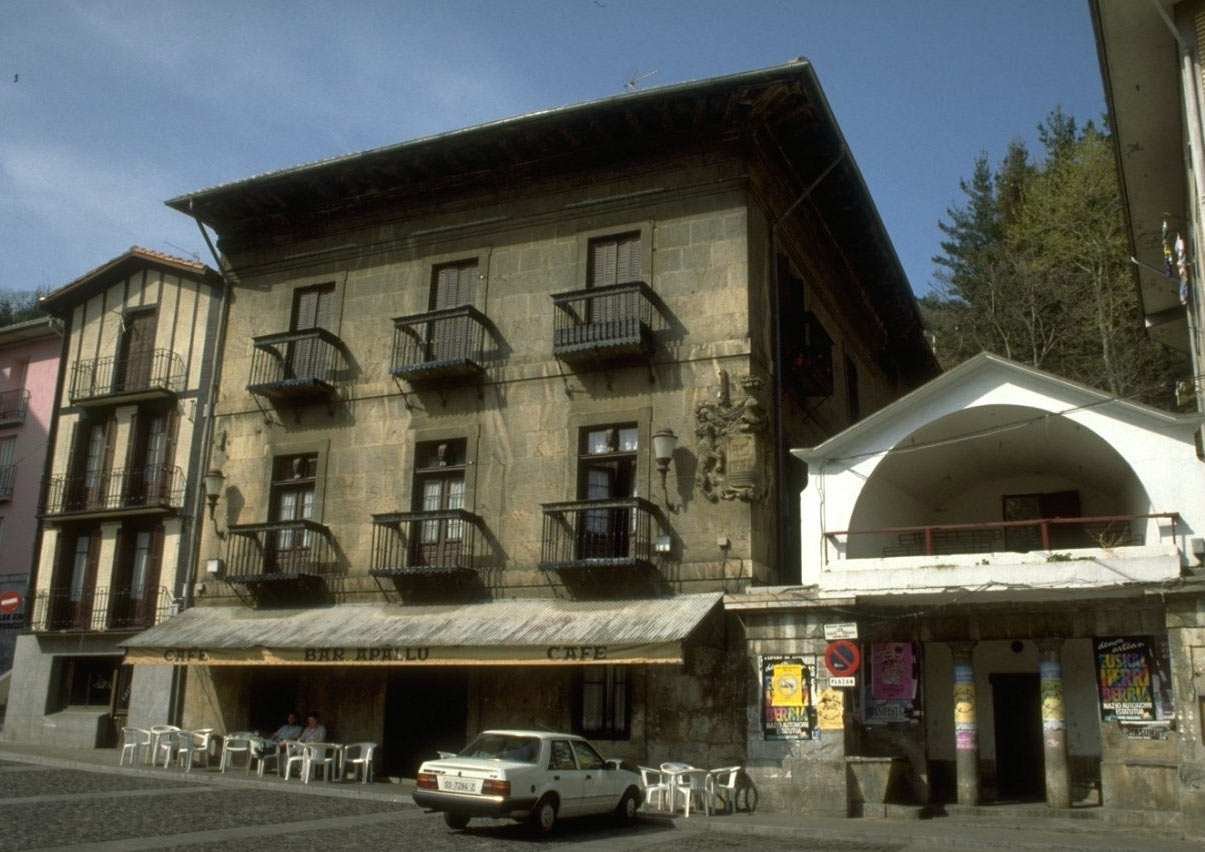
The Casa Galdona was built by Juan de Galdona y Muñoz, a local deputy of Mutriku in 1689 and mayor in 1687. This house, which faces the Town Hall, has a quadrangular layout, and is built from bonded masonry except for the main façade of stone blocks. It is three storeys high and has a hip roof.